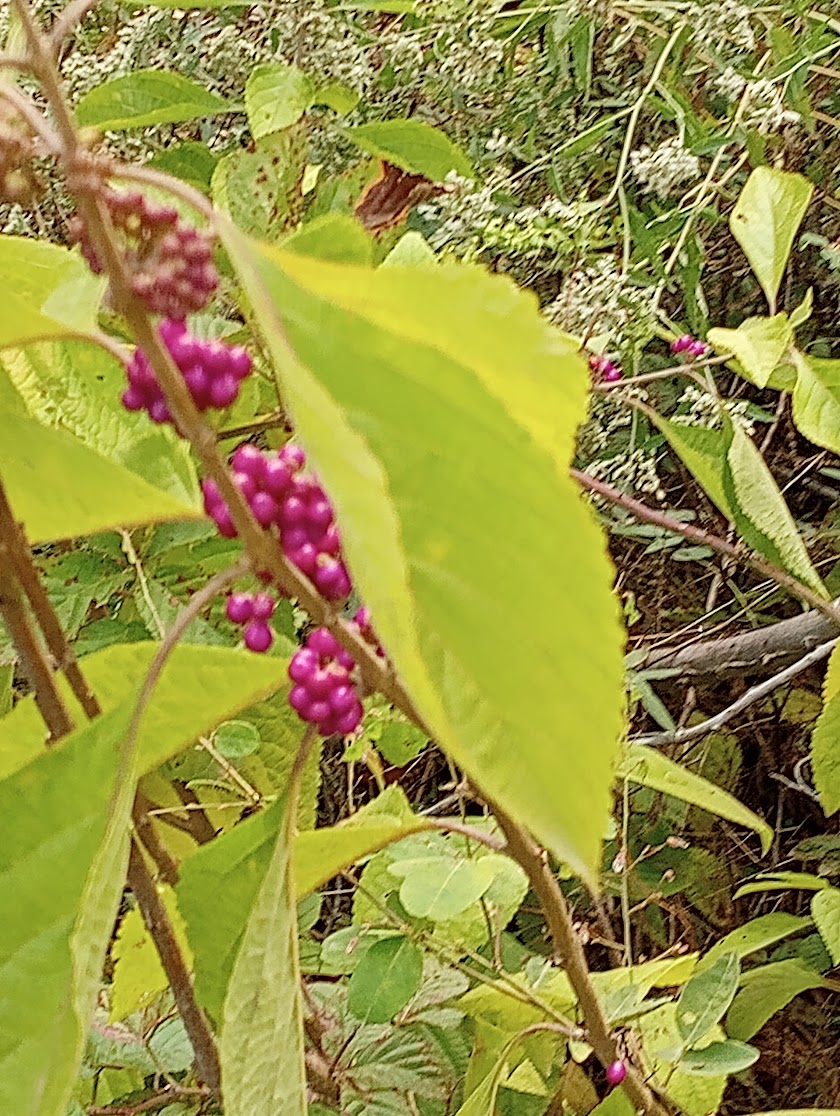
Arkansans have always been conscientious about the environment, but today, sustainable gardening or “going green” seems to be of the utmost importance. When choosing plants for the landscape, many gardeners are looking for reliable performers which are showy, yet need minimal care. Easy care plants should not be invasive. One group of plants that seems to fit almost all of those criteria is native plants.
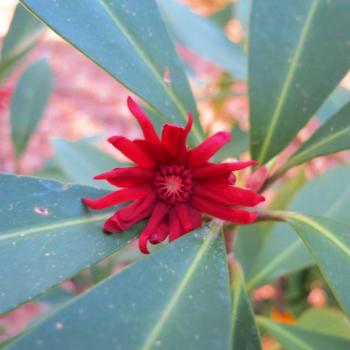 There are many definitions for native plants—native to Arkansas, native to the south, or simply native to the United States. As one person put it, all plants are native somewhere!
How Do We Recognize Native Arkansas Plants?
To fit our criteria of low maintenance, able to adapt to Arkansas growing conditions and non-invasive, gardeners should look a bit closer to home when choosing natives.
Plants that have been surviving on their own along roadsides and in wooded areas in the south, should be well adapted to growing in our home landscapes. Native plants (also called indigenous plants) are plants that have evolved and adapted to local conditions over thousands of years. They have adapted to the geography—including rocky soil or heavy clay, and climate of that region—whether hot and dry, or hot and humid. Most regional natives are vigorous and hardy, so can survive summer heat, winter cold, dry conditions or wet ones without additional care.
When choosing native plants for your own yard, match the conditions you have—sun or shade, wet or dry.
Each native plant species is a member of a community that includes other plants, animals and microorganisms. The natural balance in that community keeps each species in check, allowing the native plant to thrive in conditions where it is suited, but preventing it from taking over the garden. Thus, native species rarely become invasive, as plants introduced from other areas can be–(consider privet, kudzu, bamboo and vinca—all introduced and all highly invasive). A community of native plants provides habitat for a variety of native wildlife species such as birds and butterflies. Once established, they require little to no irrigation or fertilization, however they may flourish with a little extra care in your garden. Native plants are resistant to most pests and diseases—there is no one to spray or monitor for pests in the wild, yet they still survive. Native plants suit today’s interest in “low‑maintenance” gardening and landscaping.
Misconceptions About Native Plants
Often a misconception about native plants is that they are weedy and only used in a meadow or natural setting. Many great native perennials and shrubs are mainstays in gardens, including:
Arkansas Native Shrubs:
- Yaupon holly
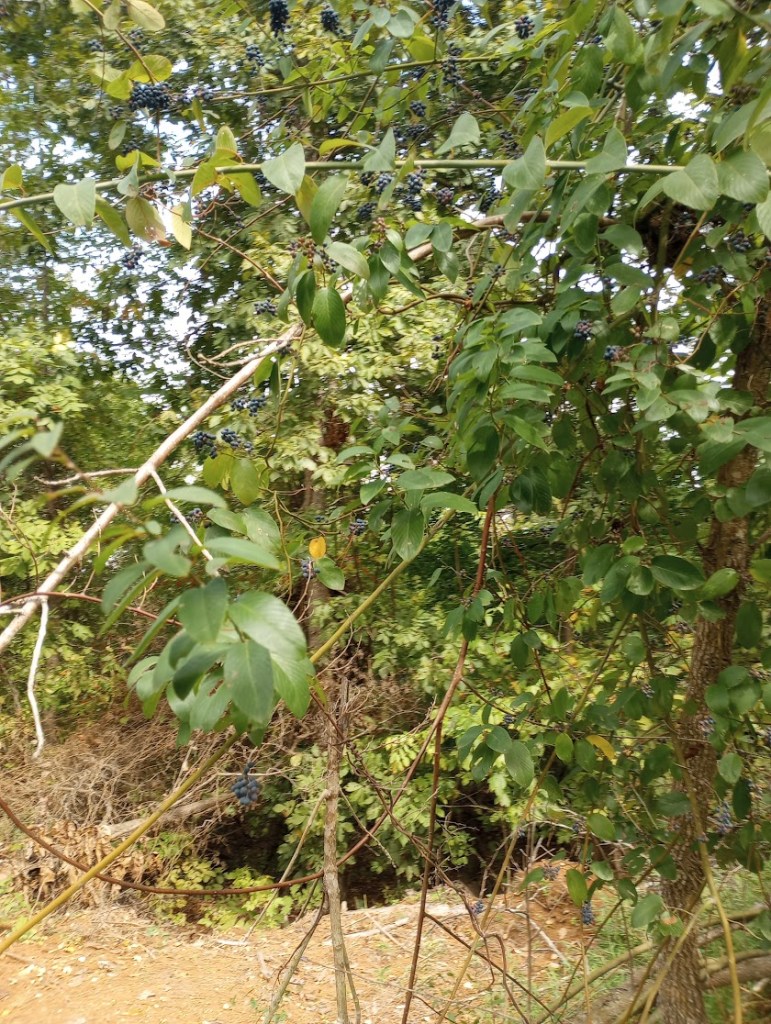
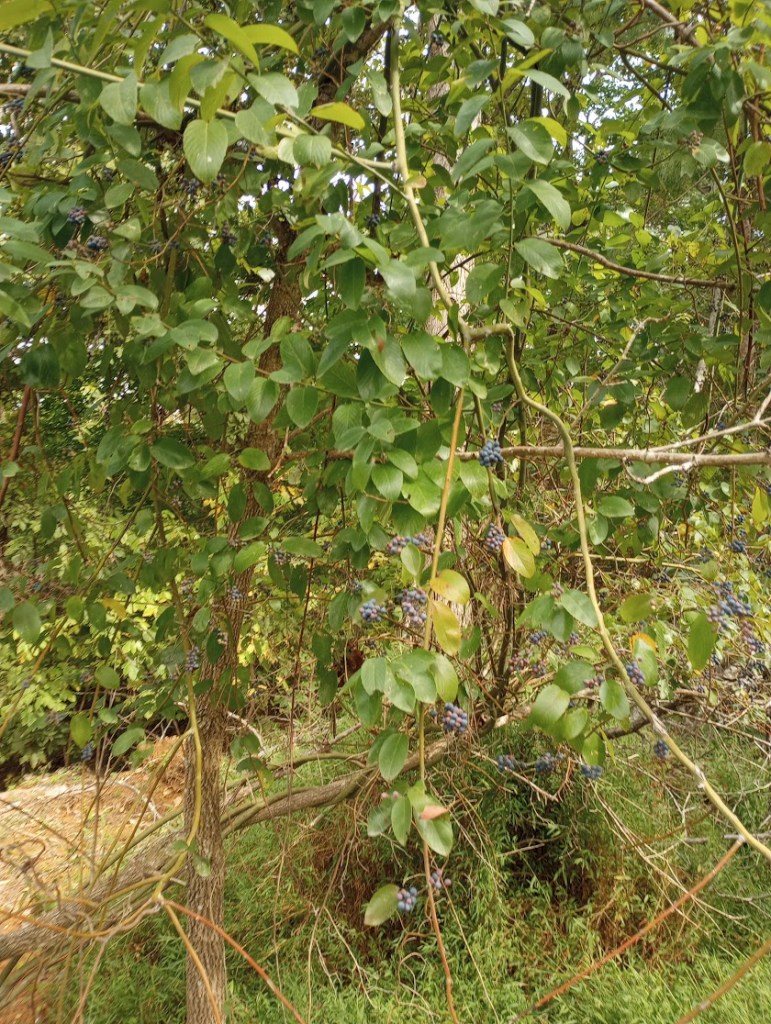
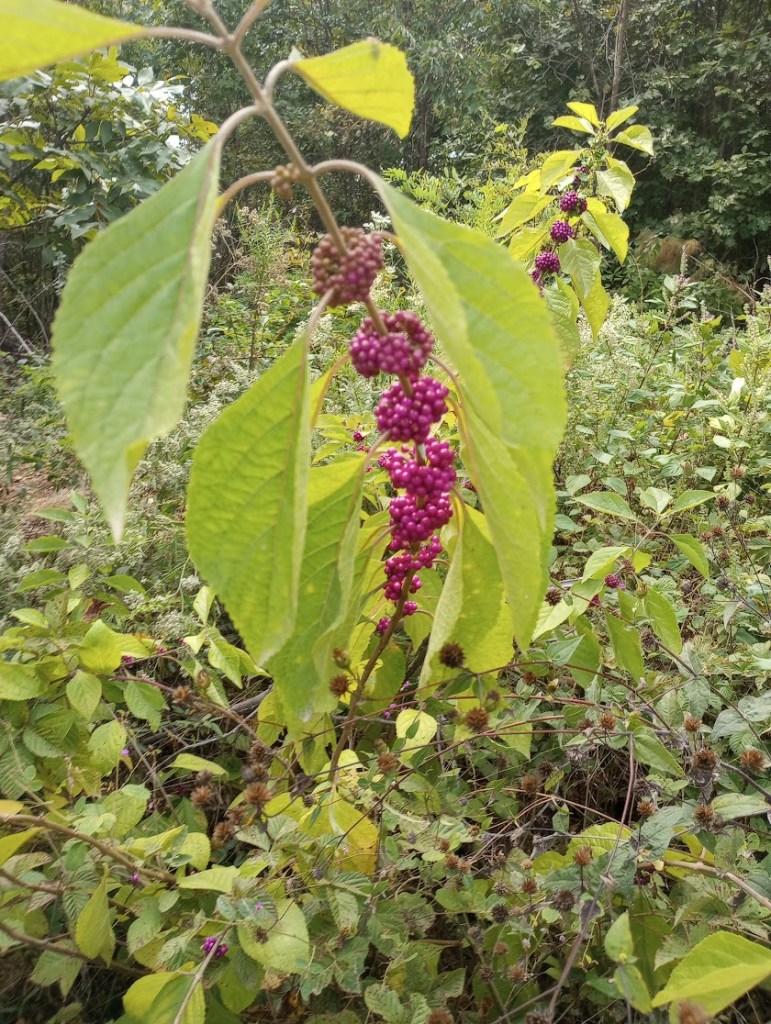
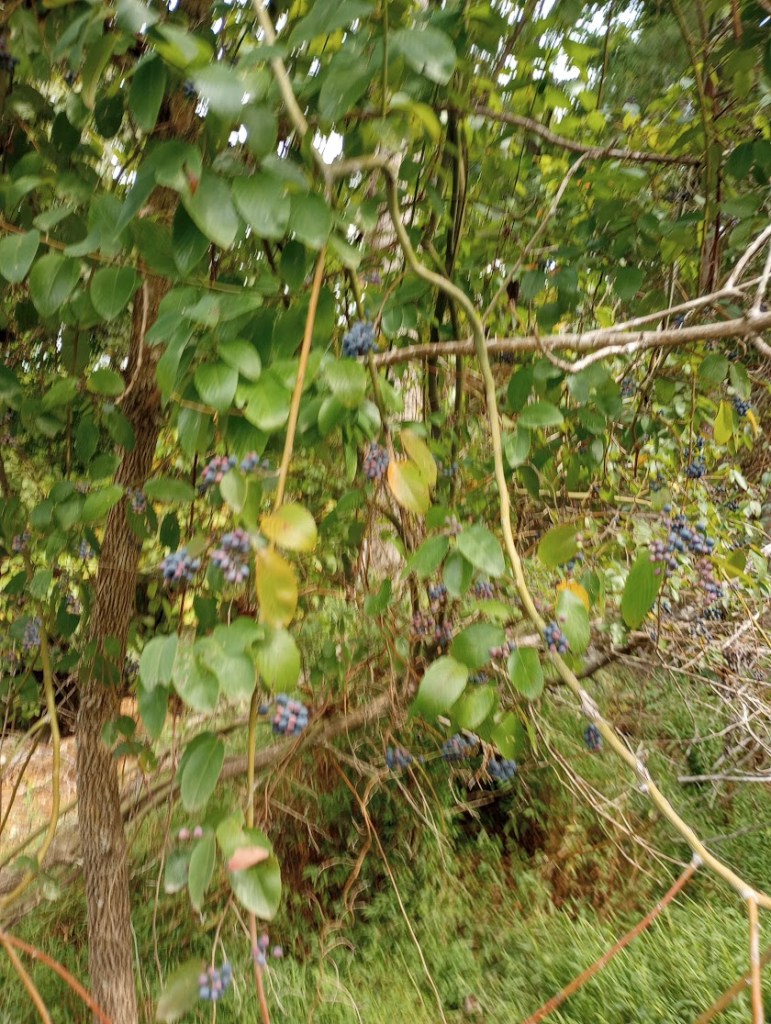
- Beautyberry – Callicarpa
- Calycanthus (Sweet Shrub or Carolina allspice),
- Illicium (Florida Anise)
- Native azaleas and Clethra (Summersweet).
Of course many recognize the native trees, including oaks, hickories, pines and cedars, but think of the more ornamental species: Dogwoods, redbuds and magnolias.
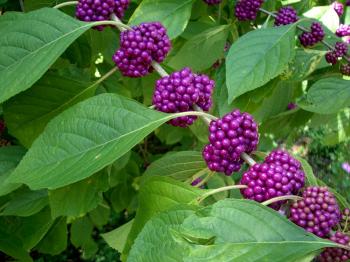
American Beautyberry in full flowering glory
How native is your native will always be debated among plant folks, however, most gardeners are interested in what works. Giving gardeners success without heavy maintenance schedules is important. Choosing plants that not only thrive, but don’t spread prolifically is also important.
Whether the plant is the native species or an improved cultivar of that native—a “nativar” , really doesn’t matter. What does is that we match the conditions in our yards with the conditions a plant needs to grow. So if you are looking for reliability and low maintenance, look no further than native plants; you have many options to choose from. (University of Arkansas article)
____________________________________________________
Native Thistle
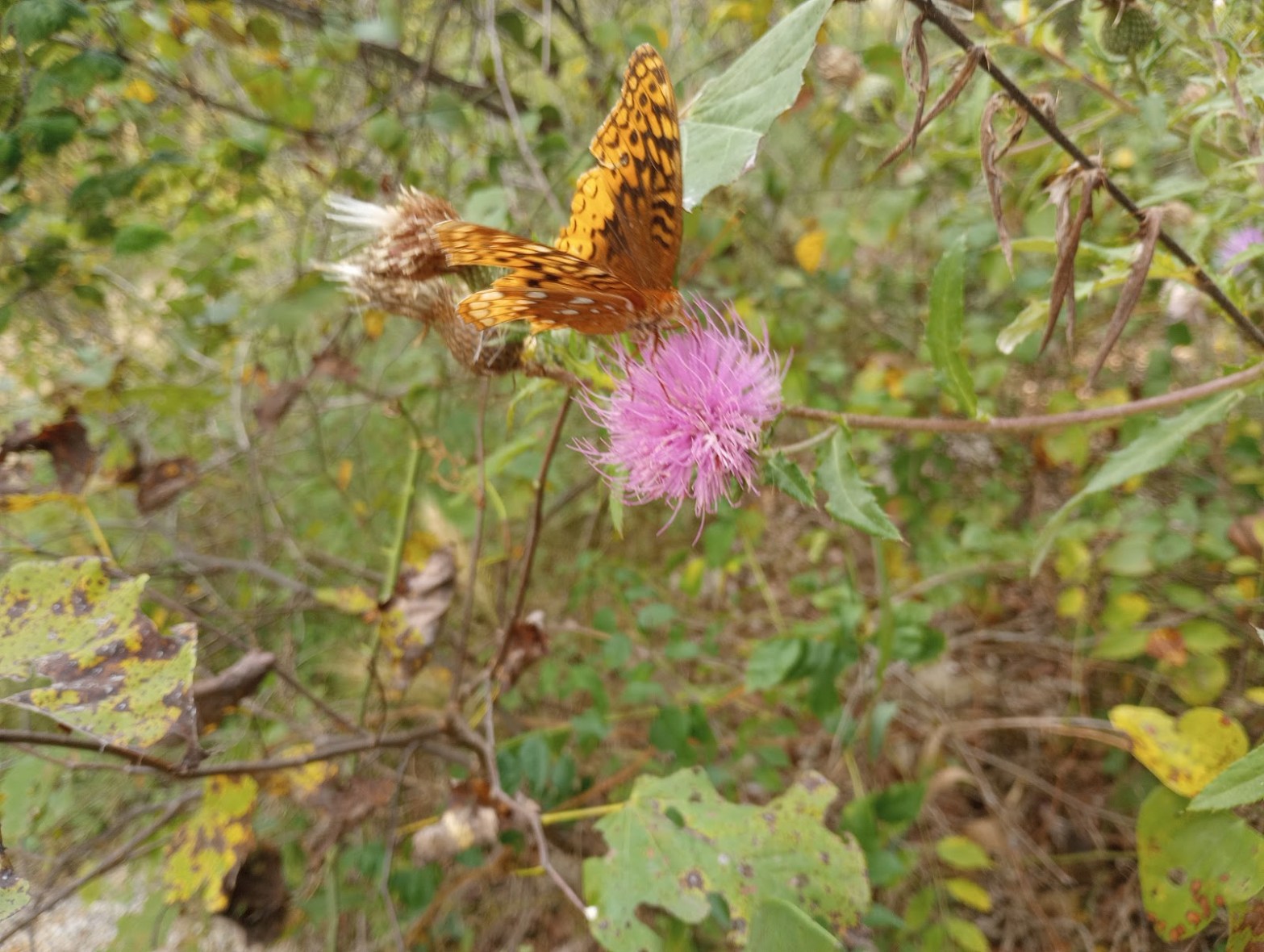
Native Thistle is an amazing pollinator. Read about it below from the Xerces Society.
Native thistles are a largely misunderstood and wrongly maligned group of wildflowers. Often confused with their prickly, invasive relatives such as Canada thistle, in reality, native thistles are benign and valuable plants that fill a variety of significant niches along more esteemed wildflowers such as coneflowers, prairie clovers, and others. While so many of those native wildflowers have been embraced by restoration practitioners, gardeners, and native plant enthusiasts, native thistles haven’t garnered the same enthusiasm, and that’s too bad. With sublime blue-green foliage, interesting stem and leaf architecture, and pink blossoms, our native thistles are every bit as resplendent—and as valuable for wildlife—as countless other native plants. It is time to change our attitudes towards our native thistles and recognize their importance, and the first step to do this is by providing the information for conservation practitioners to plant, protect, and grow these important native plants.

Our native thistles fill important niches in our ecosystems. In great grasslands and prairies, alpine meadows and silty Midwestern river bottoms, the seeds of our native thistles help sustain enormous flocks of songbirds such as goldfinches and indigo buntings. The nectar of these plants fills the stomachs of countless flower visitors, including the enormous black and gold bumble bee (Bombus auricomus), while the foliage of thistles feeds both people and rare butterflies alike. Edible thistle, (C. edule), is a staple food of the Salish people of the Pacific Northwest, while swamp thistle, (C. muticum) is a caterpillar host plant for the endangered swamp metalmark butterfly (Calephelis muticum).
Our native thistles fill important niches in our ecosystems. In great grasslands and prairies, alpine meadows and silty Midwestern river bottoms, the seeds of our native thistles help sustain enormous flocks of songbirds such as goldfinches and indigo buntings. The nectar of these plants fills the stomachs of countless flower visitors, including the enormous black and gold bumble bee (Bombus auricomus), while the foliage of thistles feeds both people and rare butterflies alike. Edible thistle, (C. edule), is a staple food of the Salish people of the Pacific Northwest, while swamp thistle, (C. muticum) is a caterpillar host plant for the endangered swamp metalmark butterfly (Calephelis muticum).
Native Thistles Are Disappearing
As with so many of our other native prairie and meadow species, thistles have been a direct casualty of habitat loss, suffering the effects of loss of native plant communities to agriculture, urbanization and the development of cities and roads. Most significantly, they have suffered from the invasion of non-native thistles as indiscriminate weed control efforts often eradicate native thistles along with their invasive relatives. Many of our policies and activities are heralding the potential end of these beautiful and important plants. A number of native thistle species are now threatened with extinction.
In fact, in response to the spread of exotic invasives such as Canada thistle (C. arvense, an import from Eurasia, not Canada), expansive biocontrol programs have released alien thistle-eating insects that devour invasive and native thistles alike. These biological control efforts have only had limited impacts on some invasive thistles, but likely devastating impacts on our native ones. This pressure has been compounded by farm-level thistle eradication efforts, including the ever-increasing use of herbicides. And finally, some broad-reaching weed control policies treat all members of the genus as noxious weeds, ignoring the potential to push historically common native thistles toward local extinction.
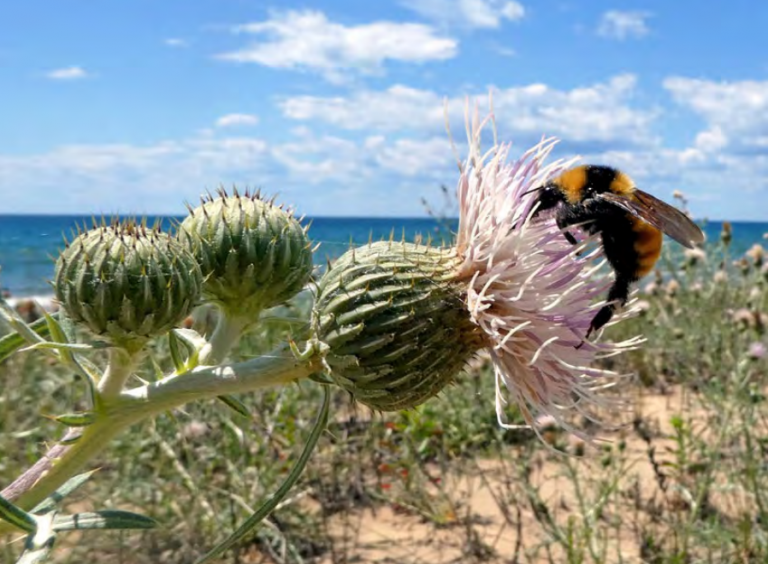
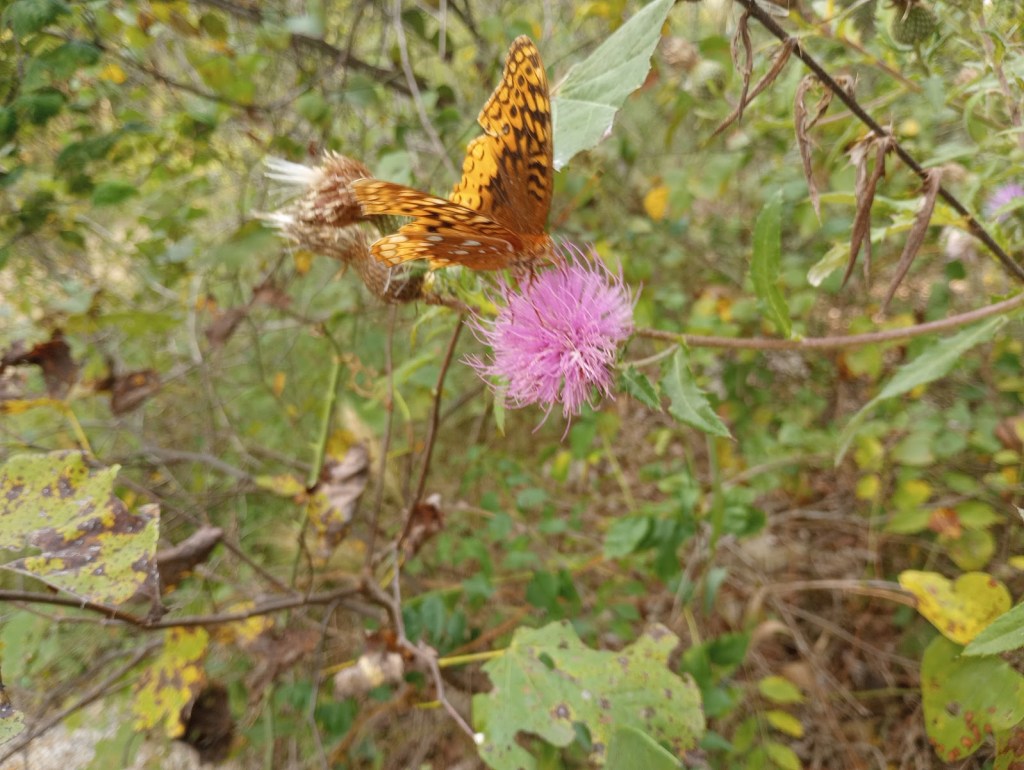
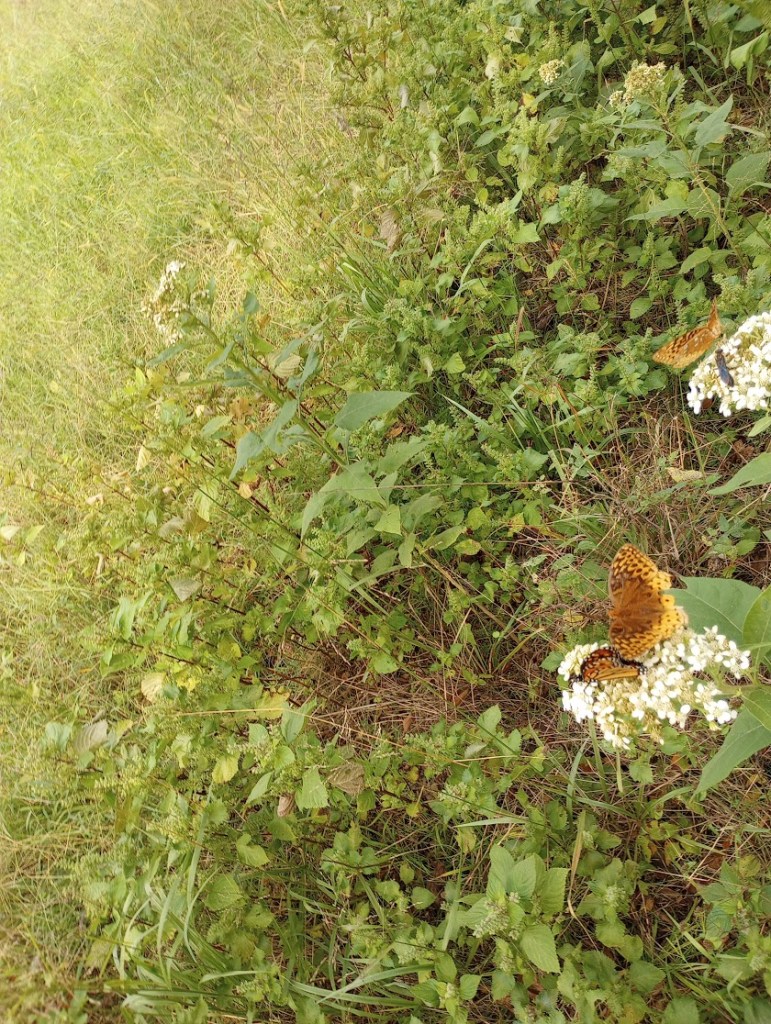
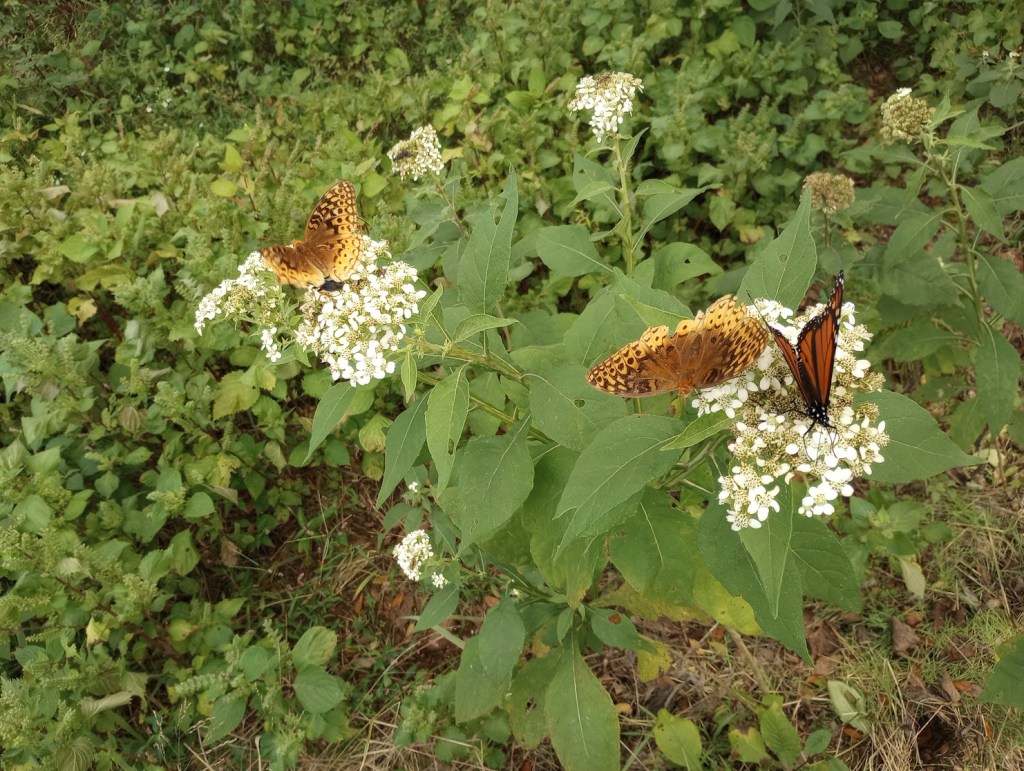
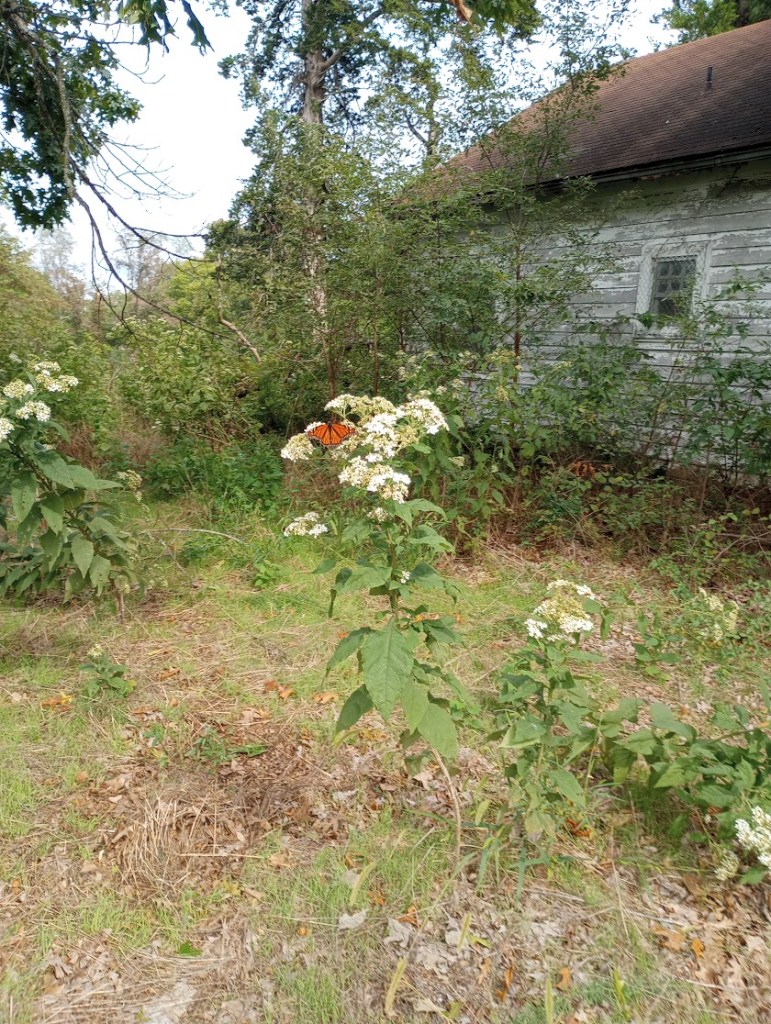
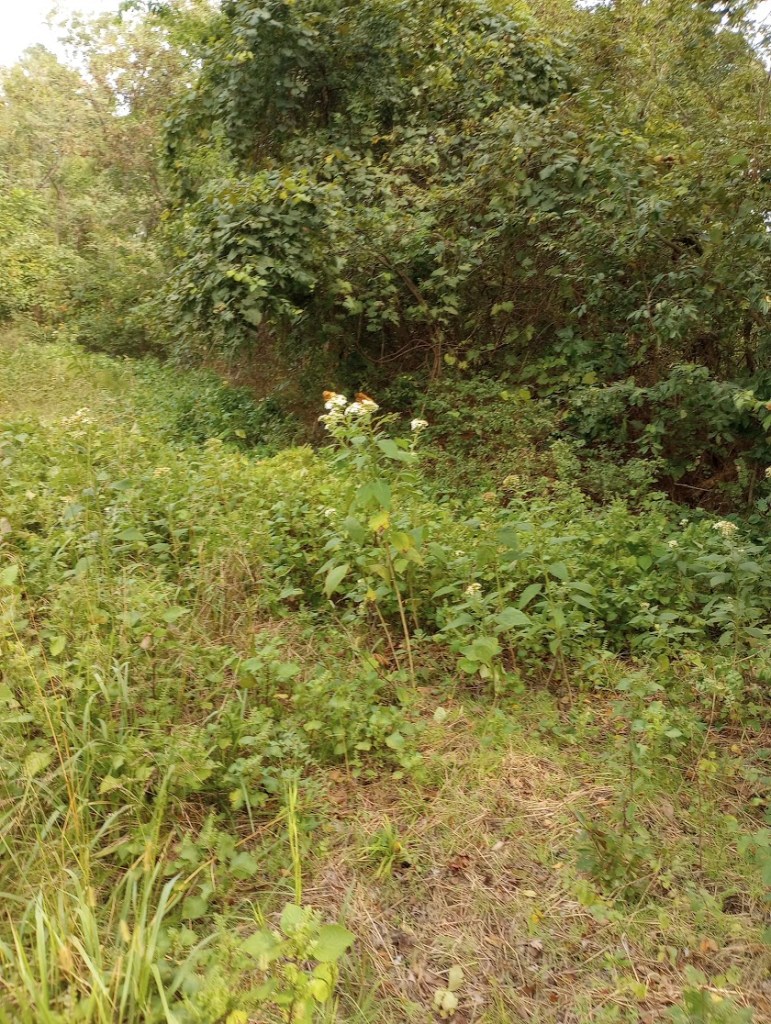
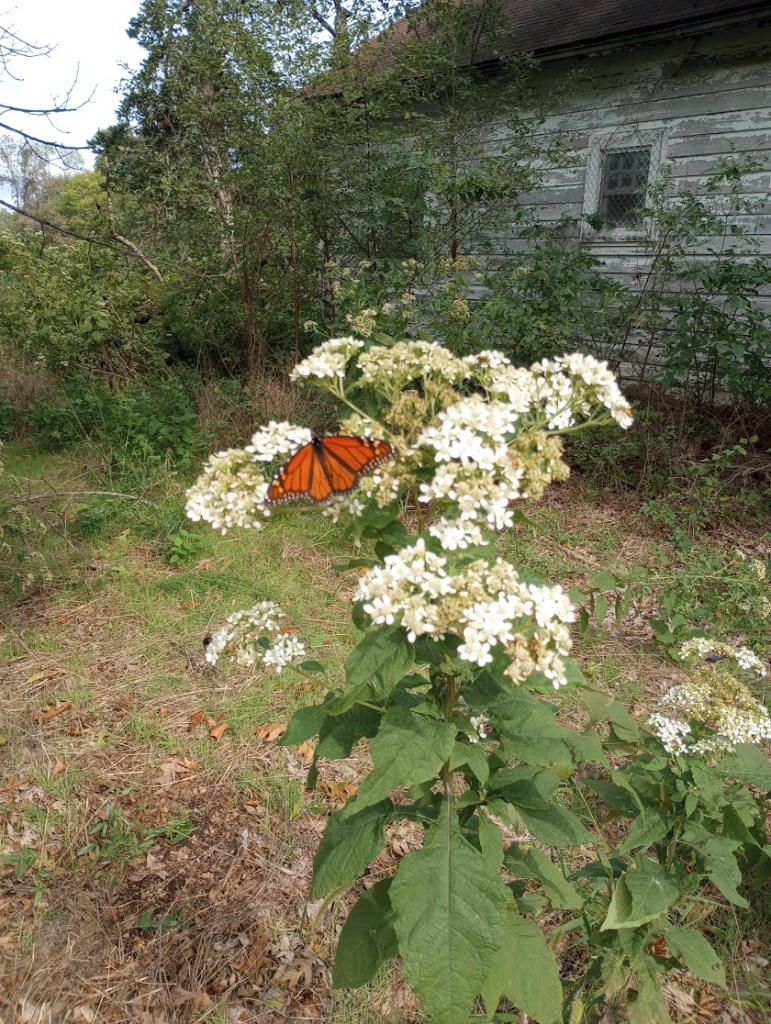
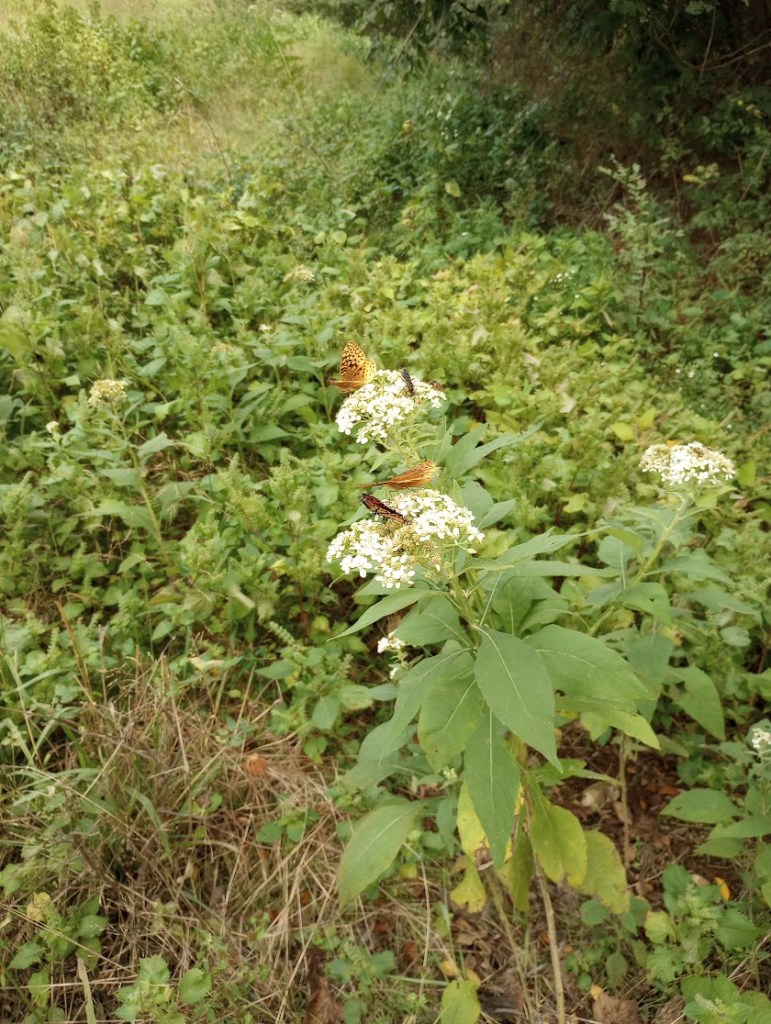
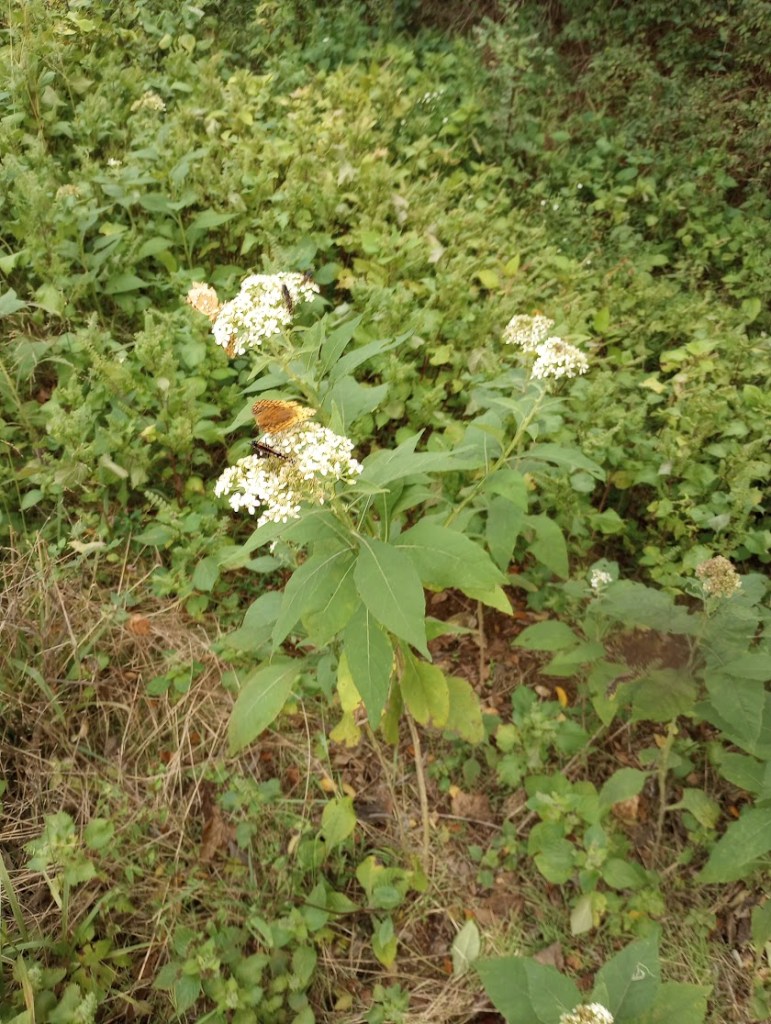
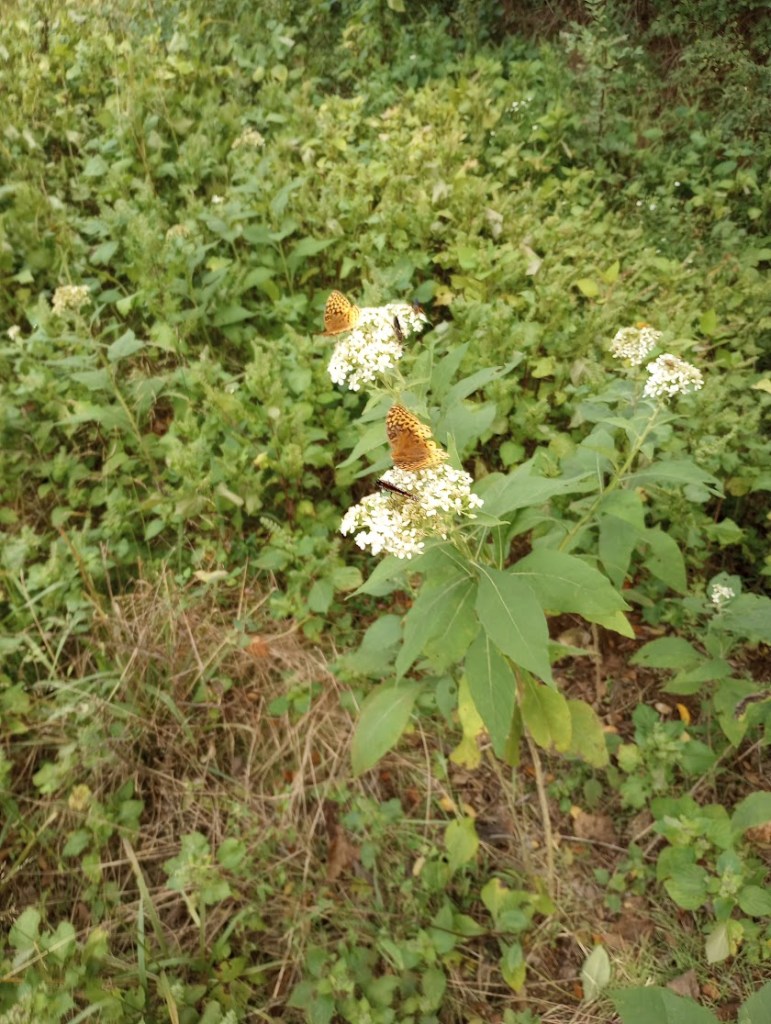
The pictures above are internet pictures but below are some pictures that we took 9-22-24. Look closely at all the butterflies on just one plant. This plant is very much needed for pollinators.
___________________________
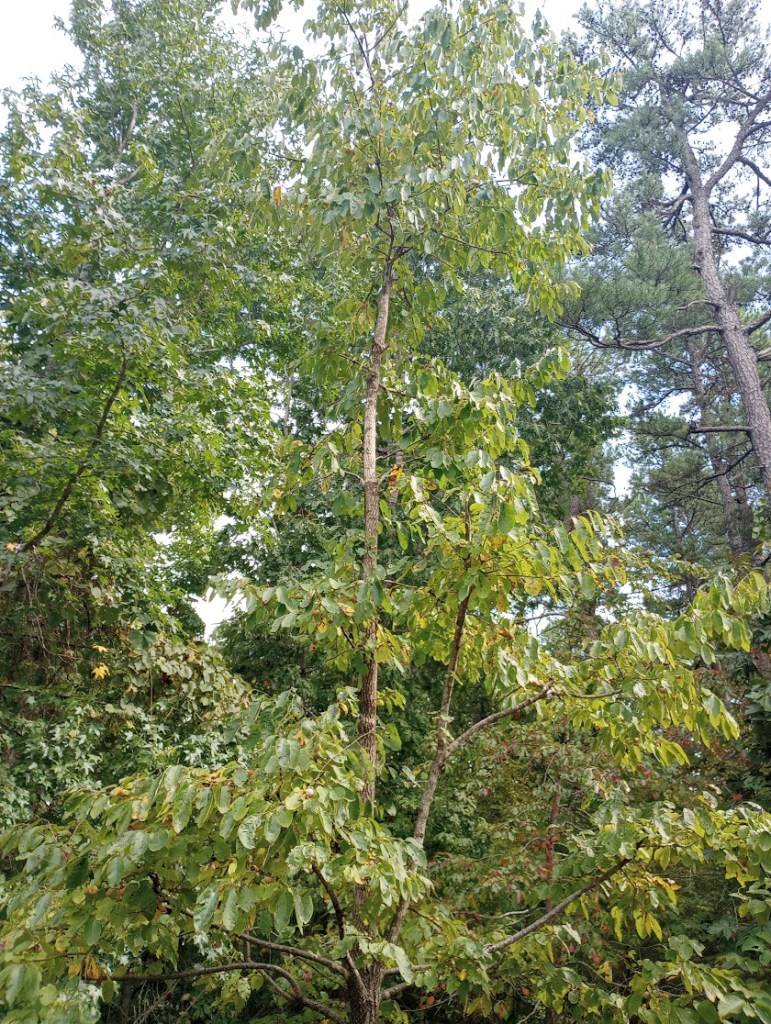
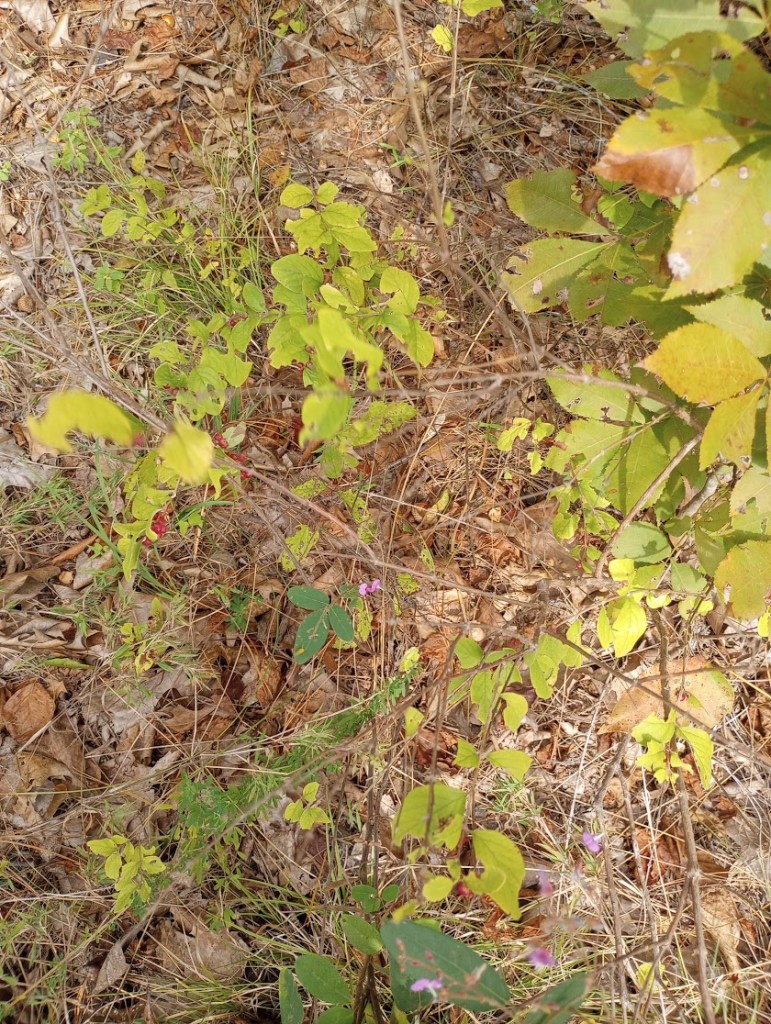
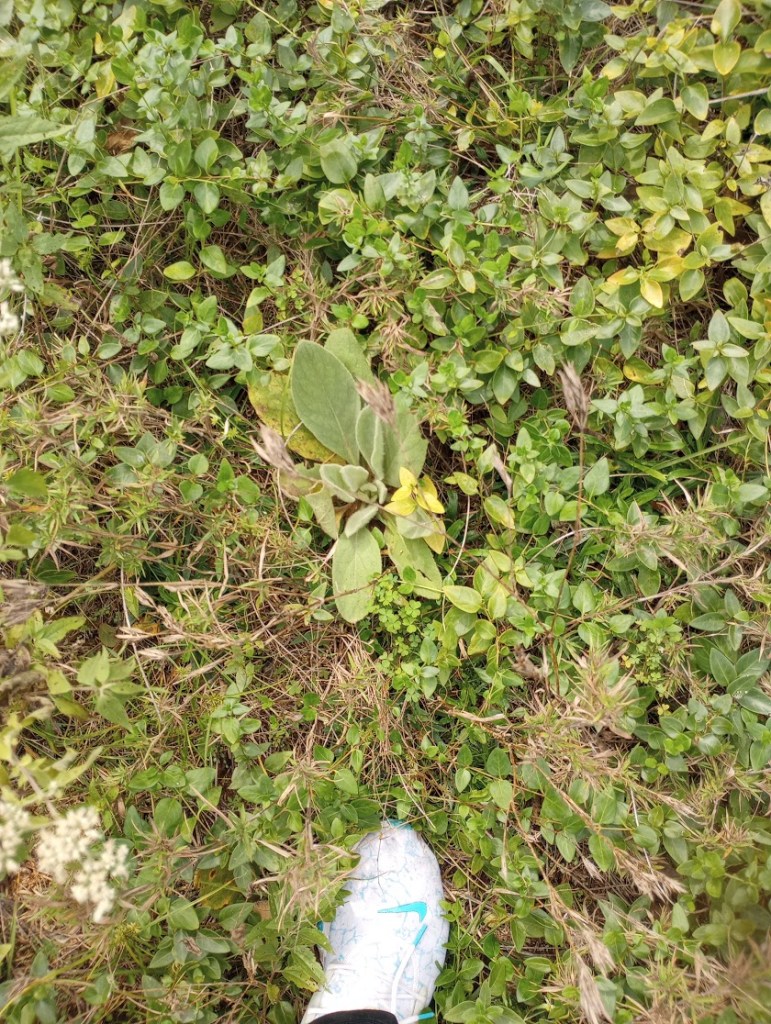
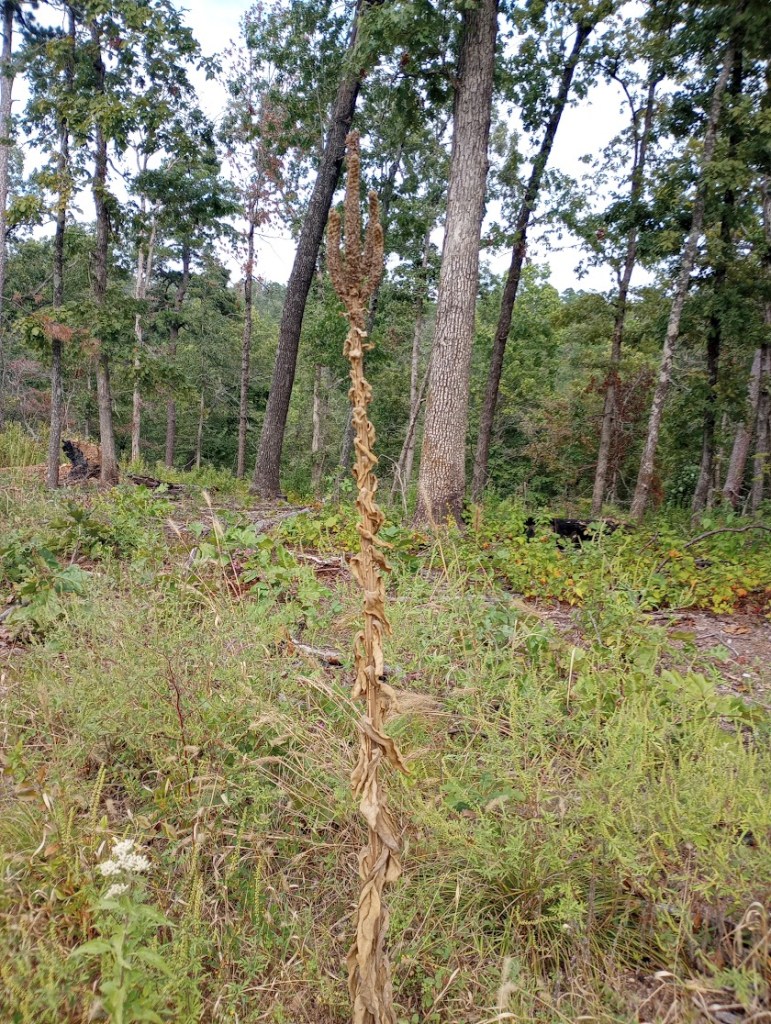
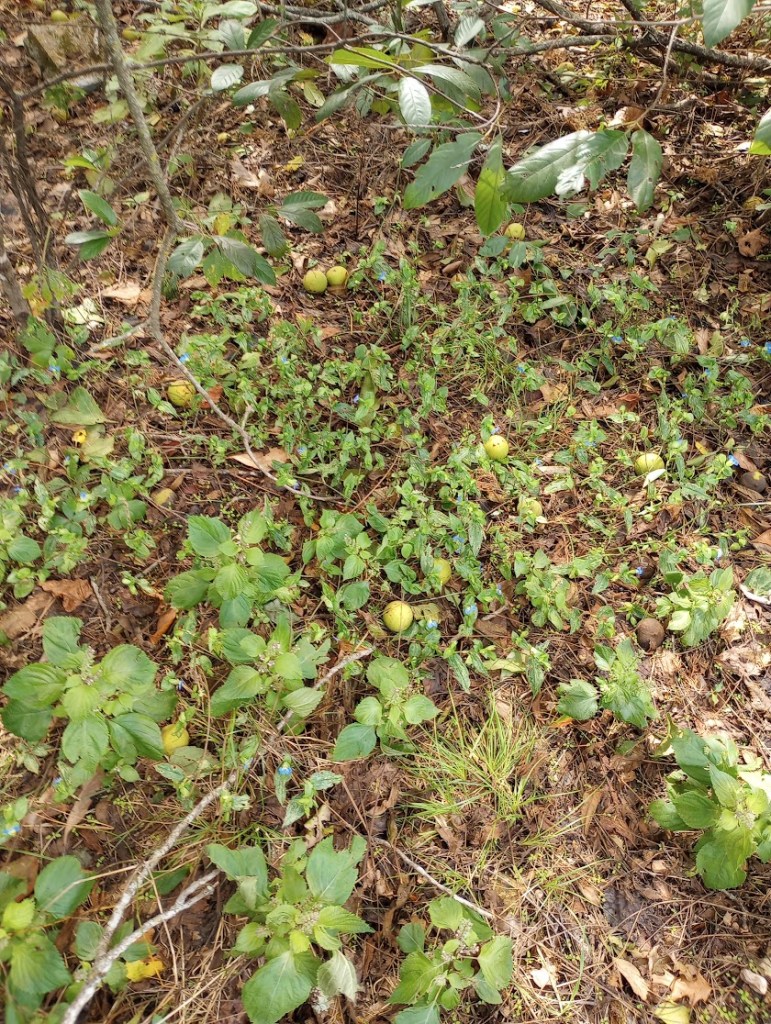
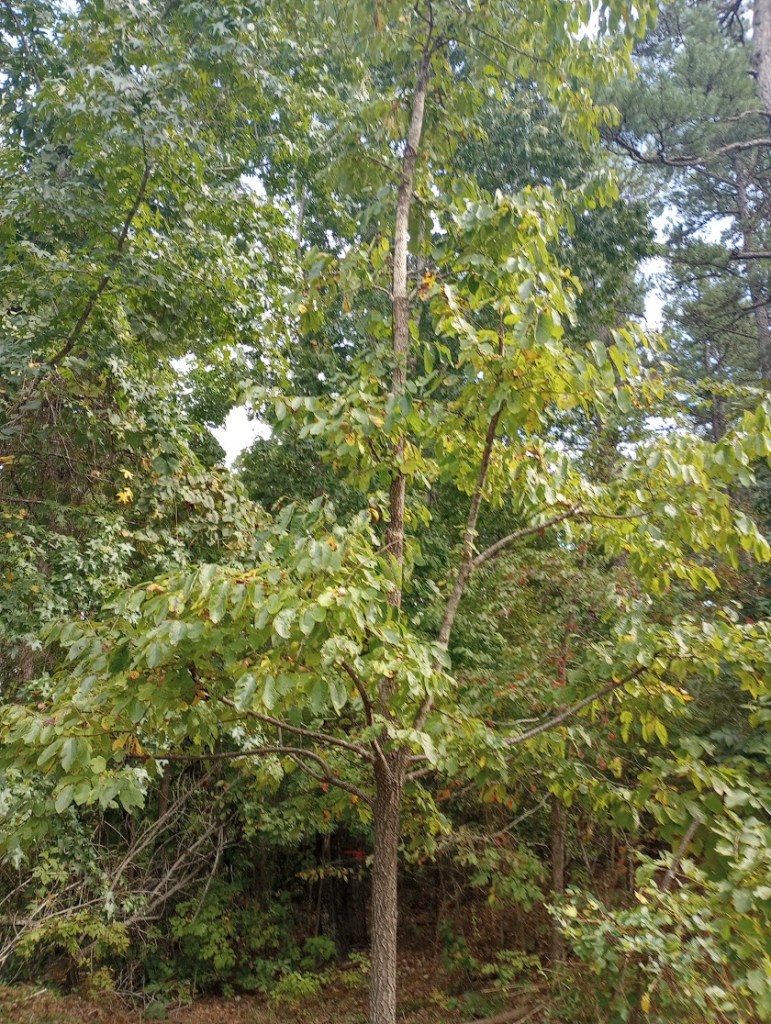
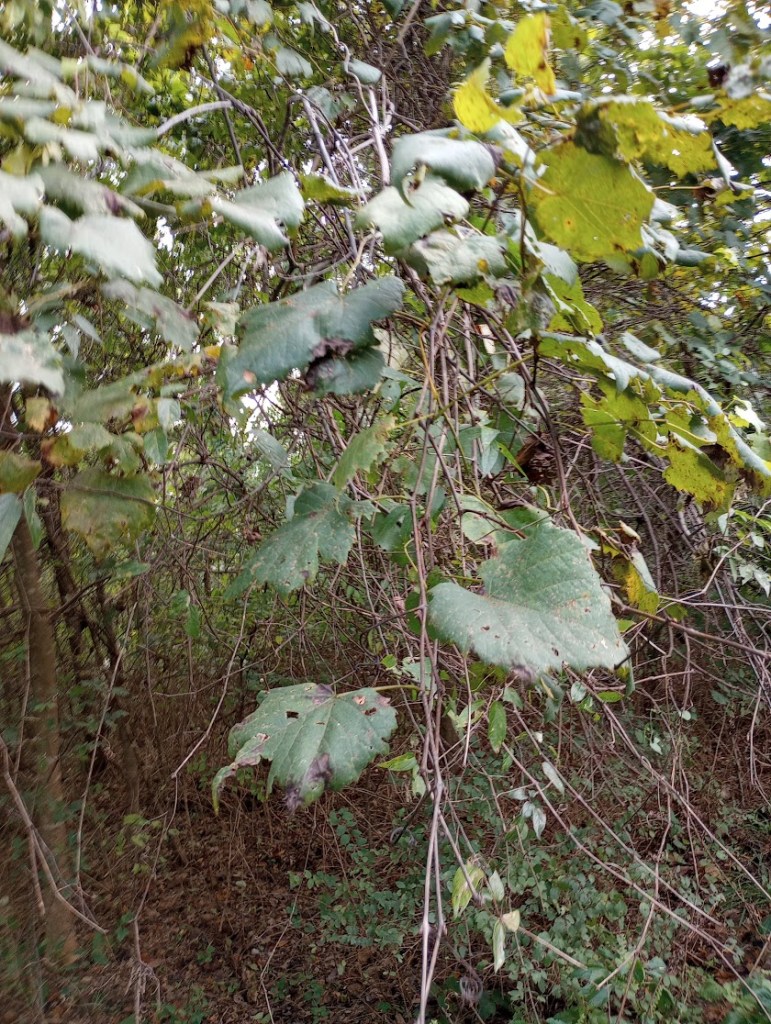
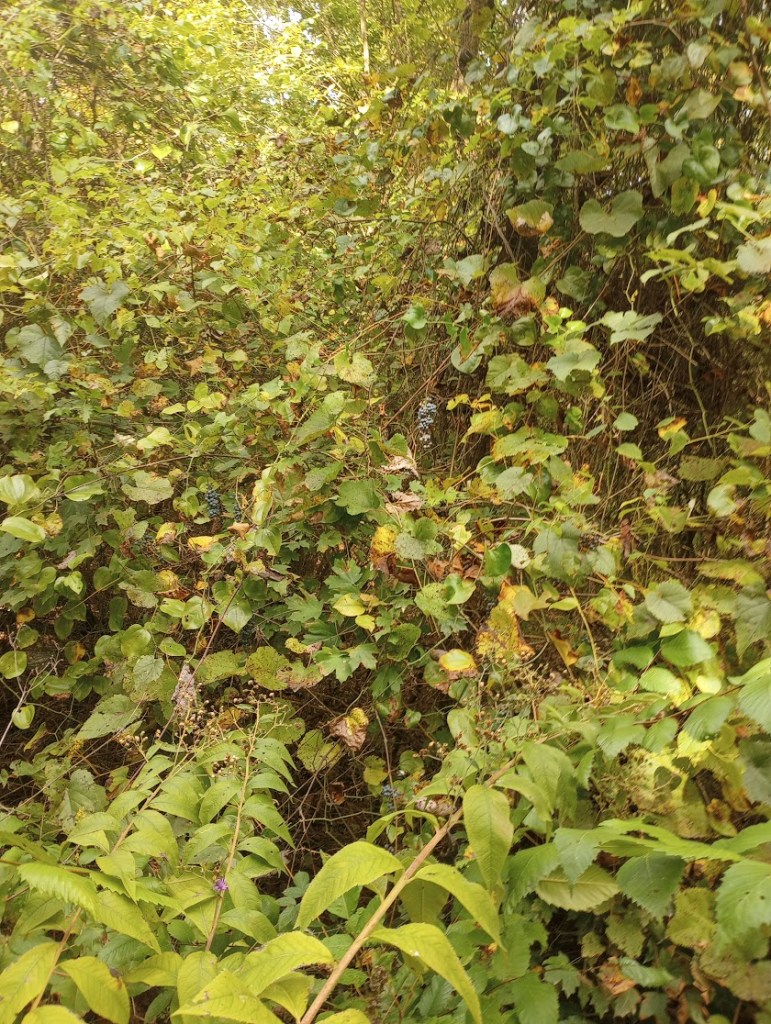
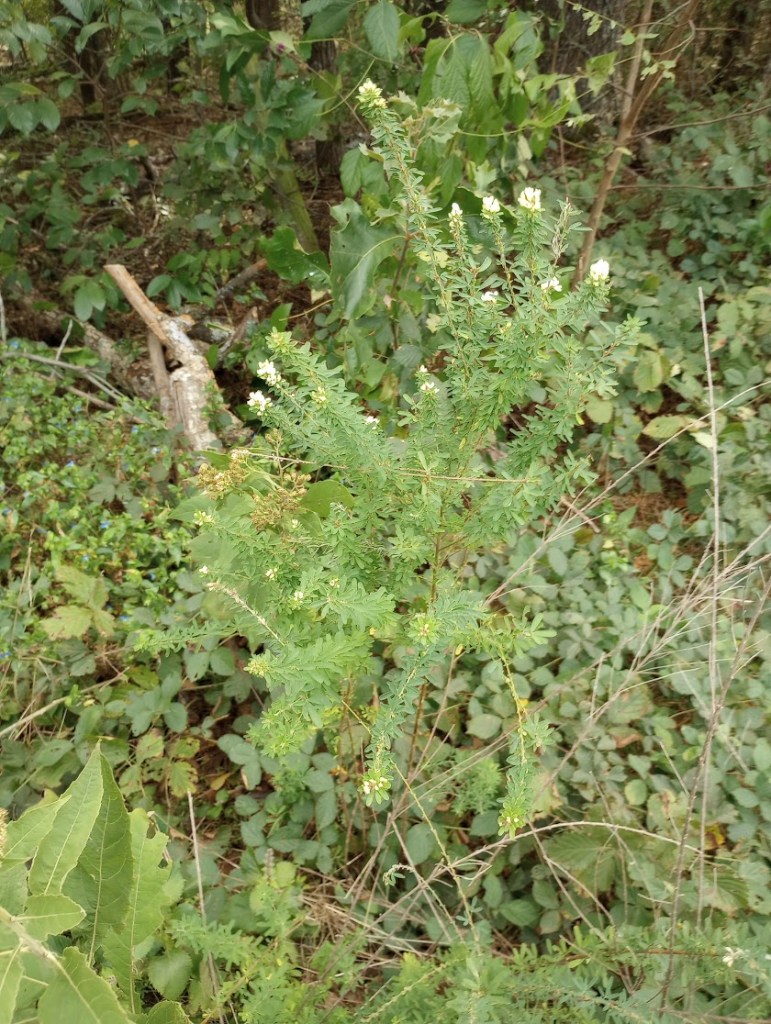
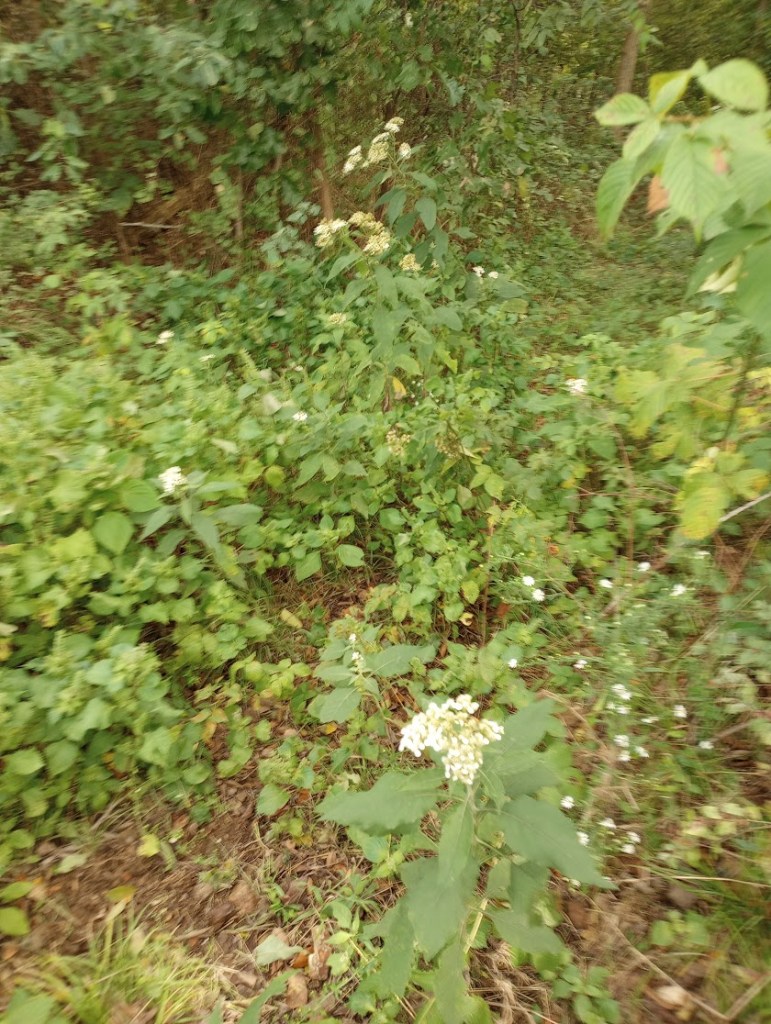
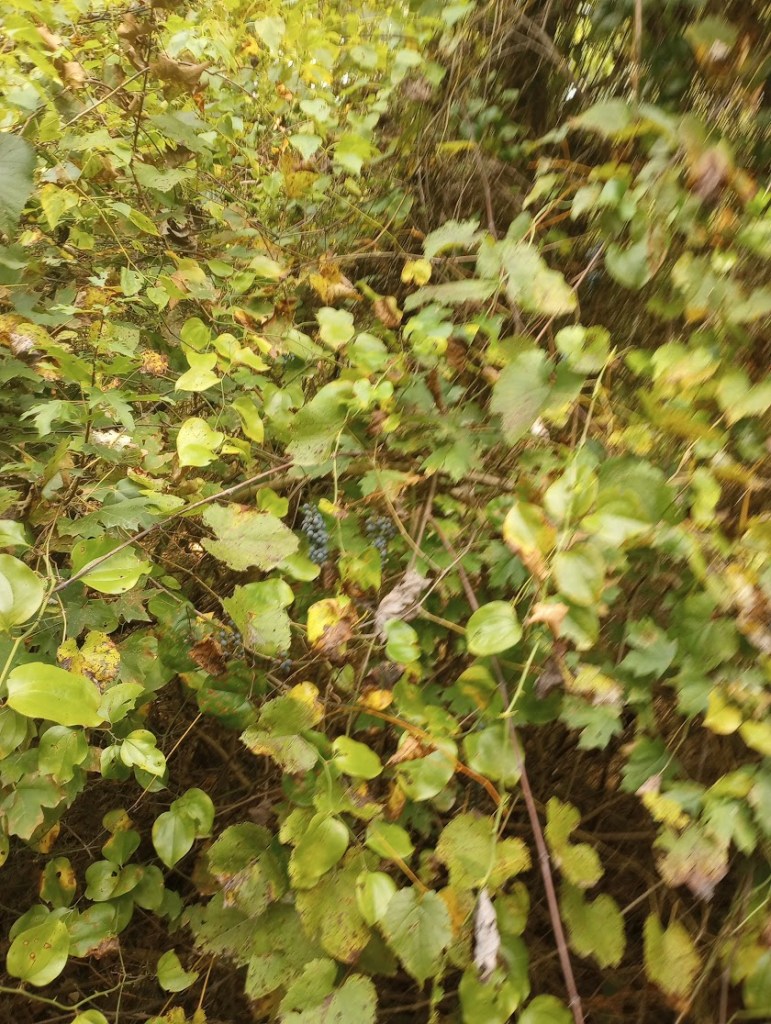
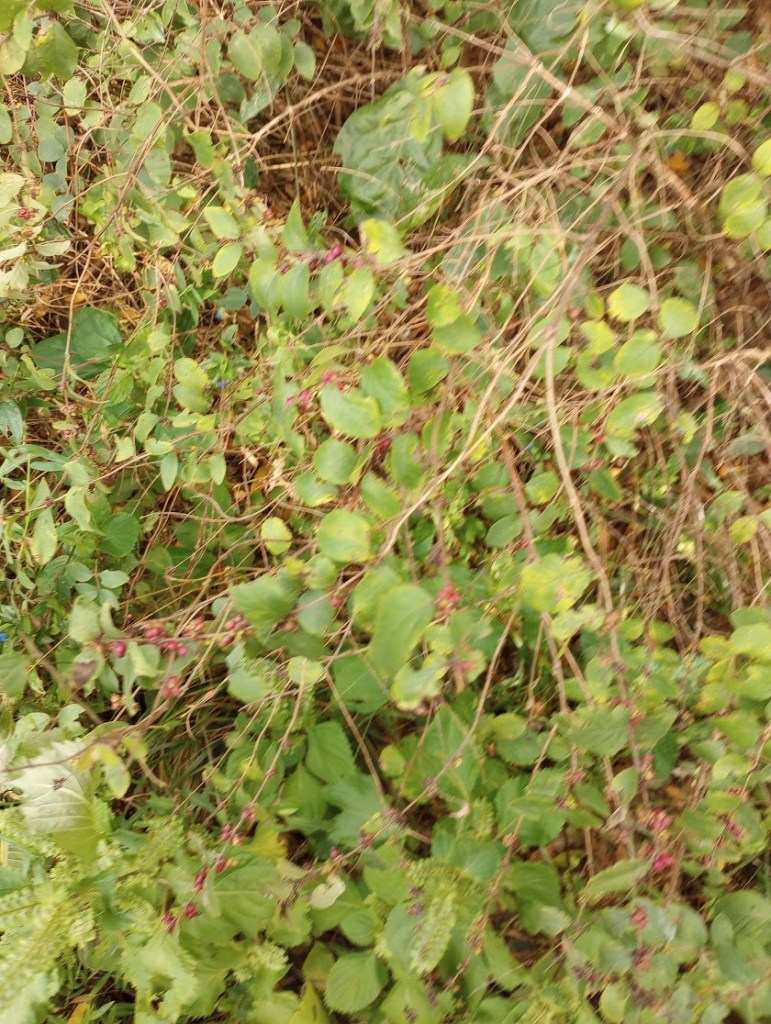
Arkansas Forest-Fall 2024
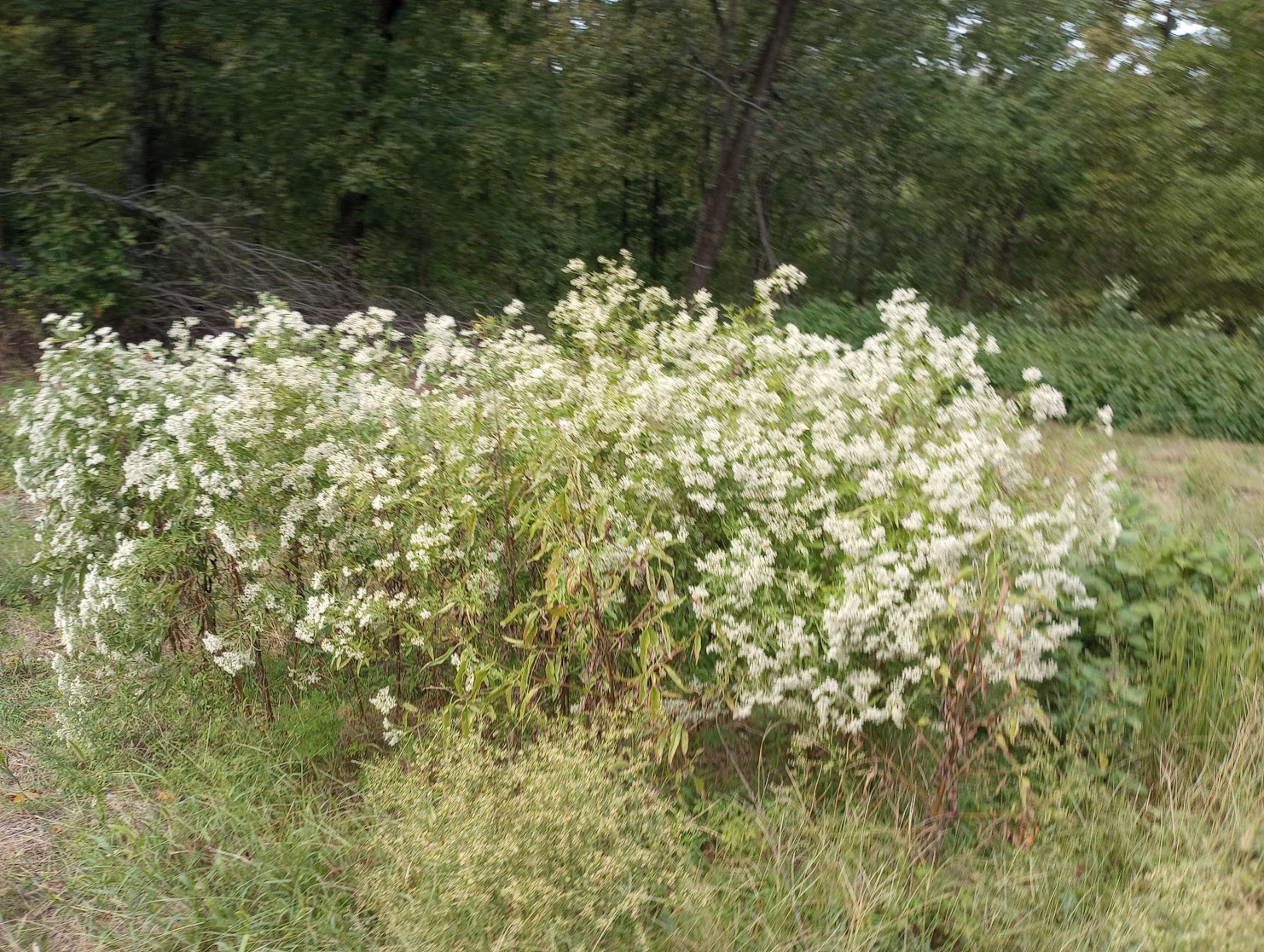
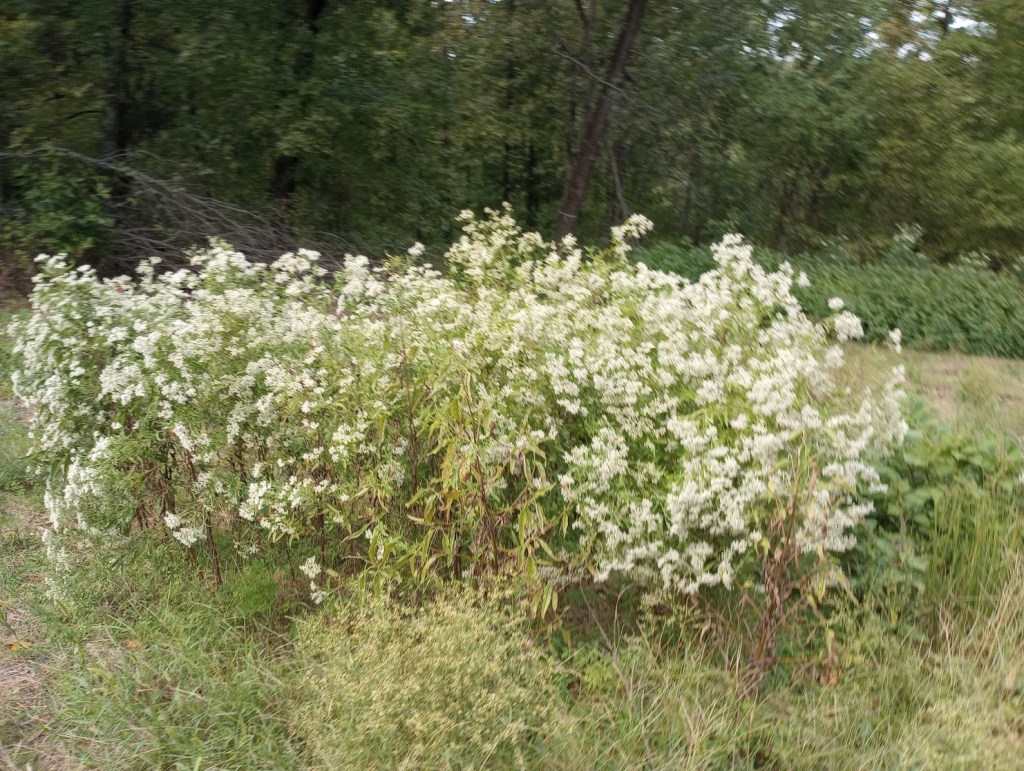
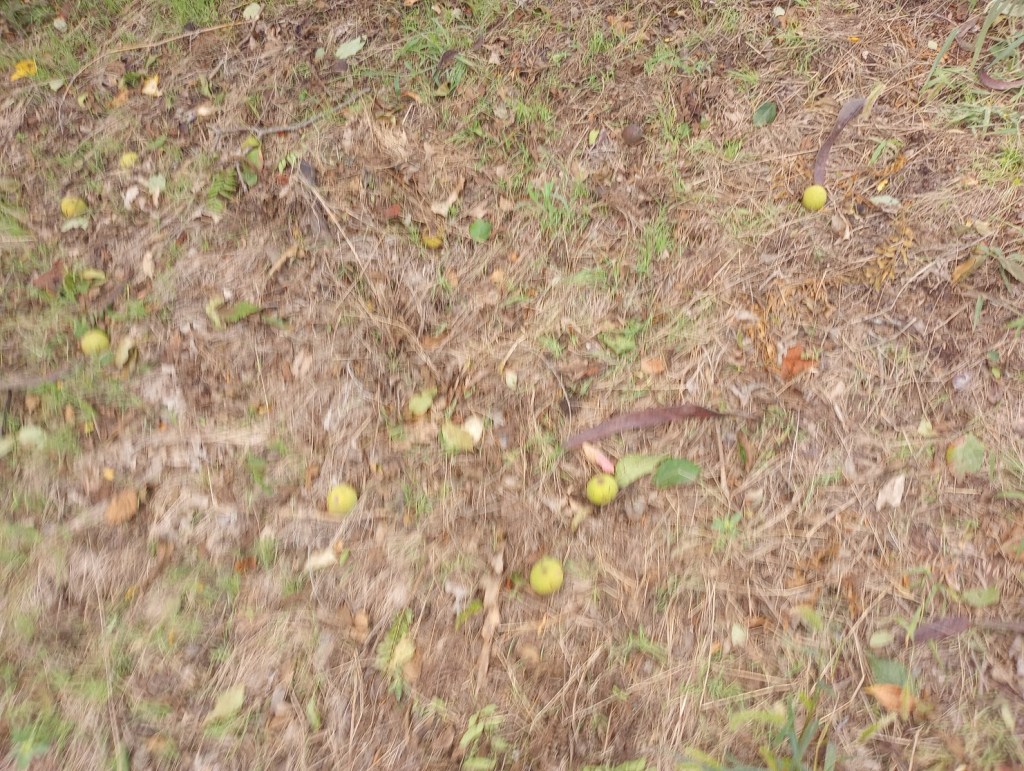
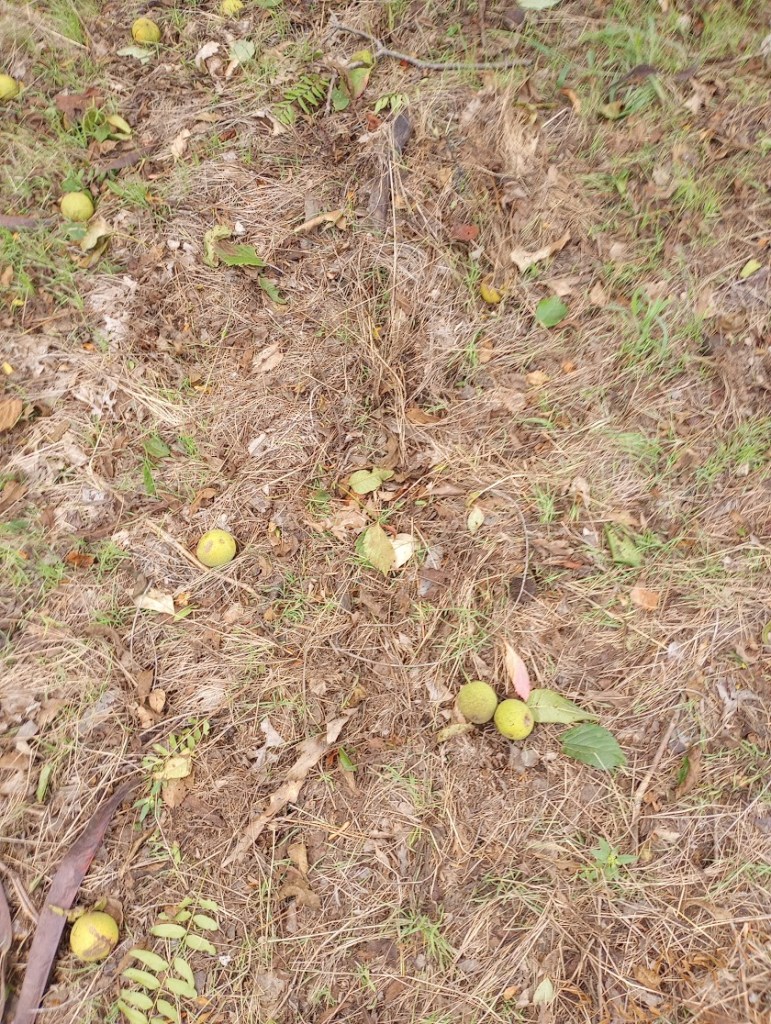
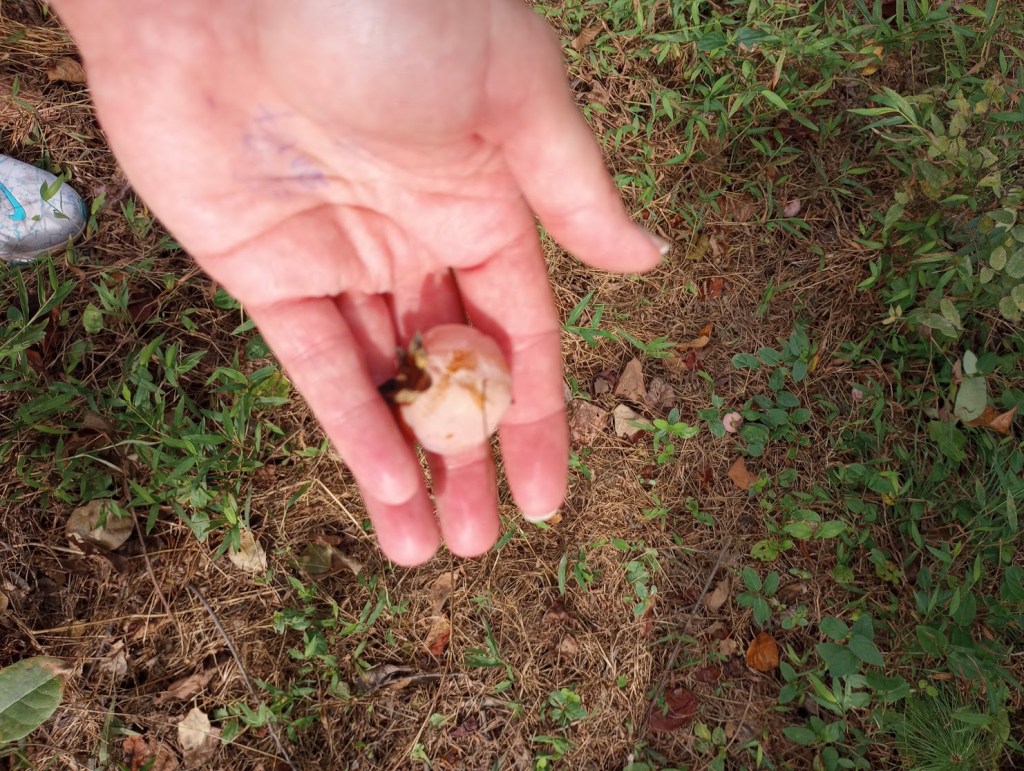
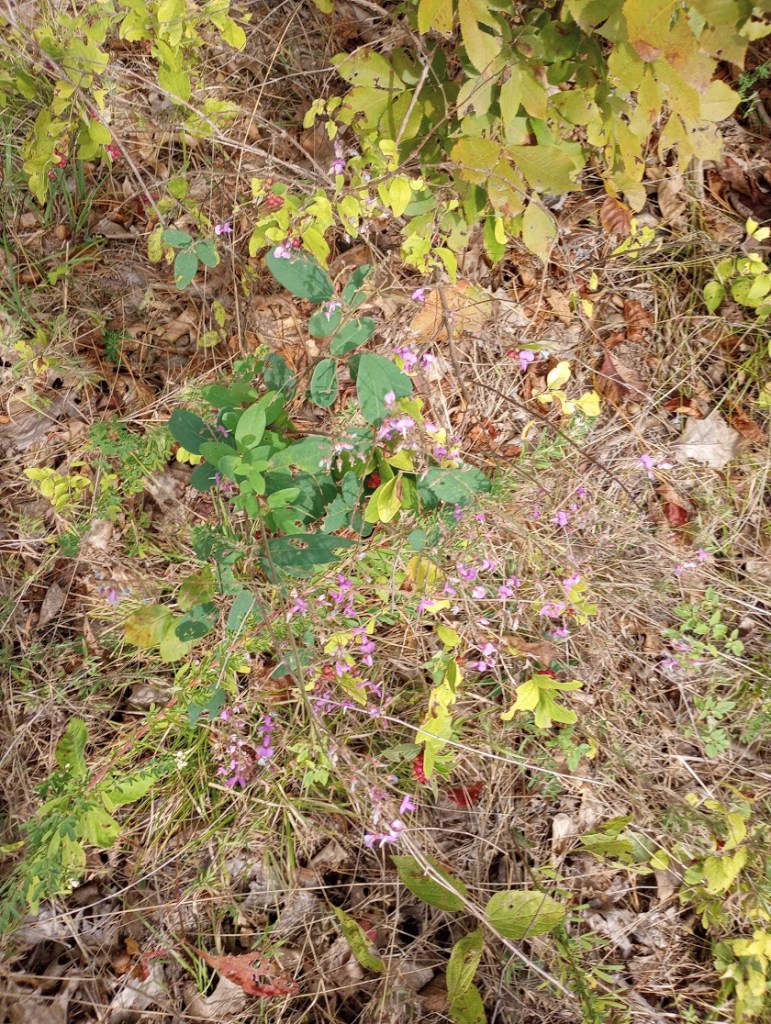
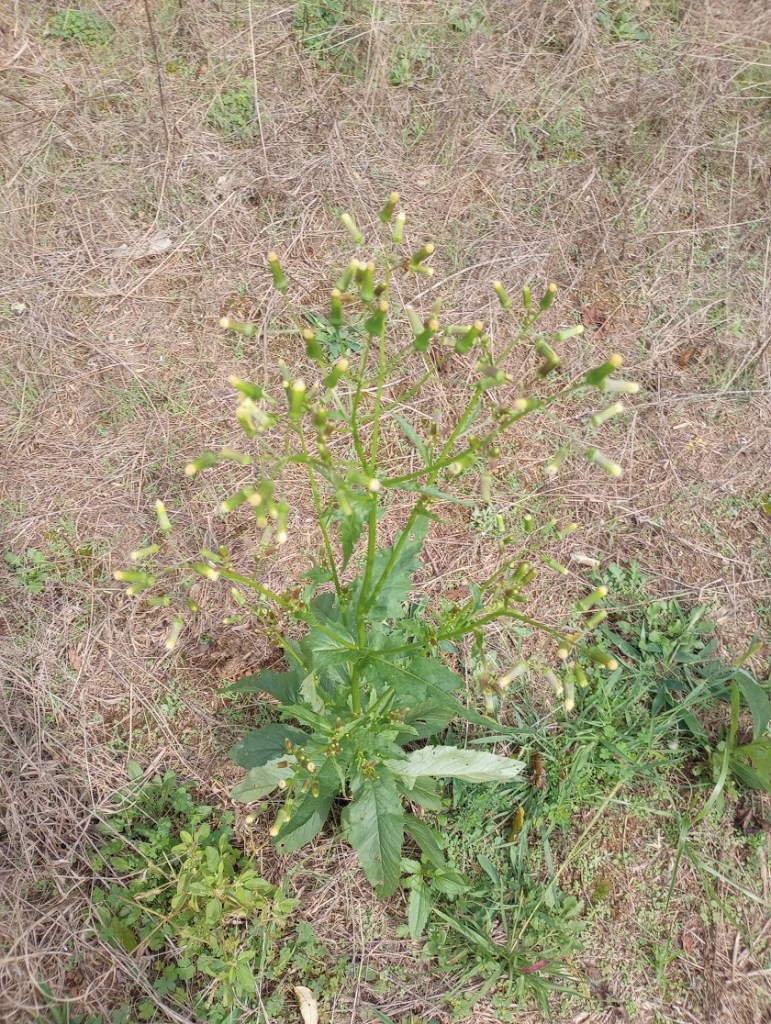
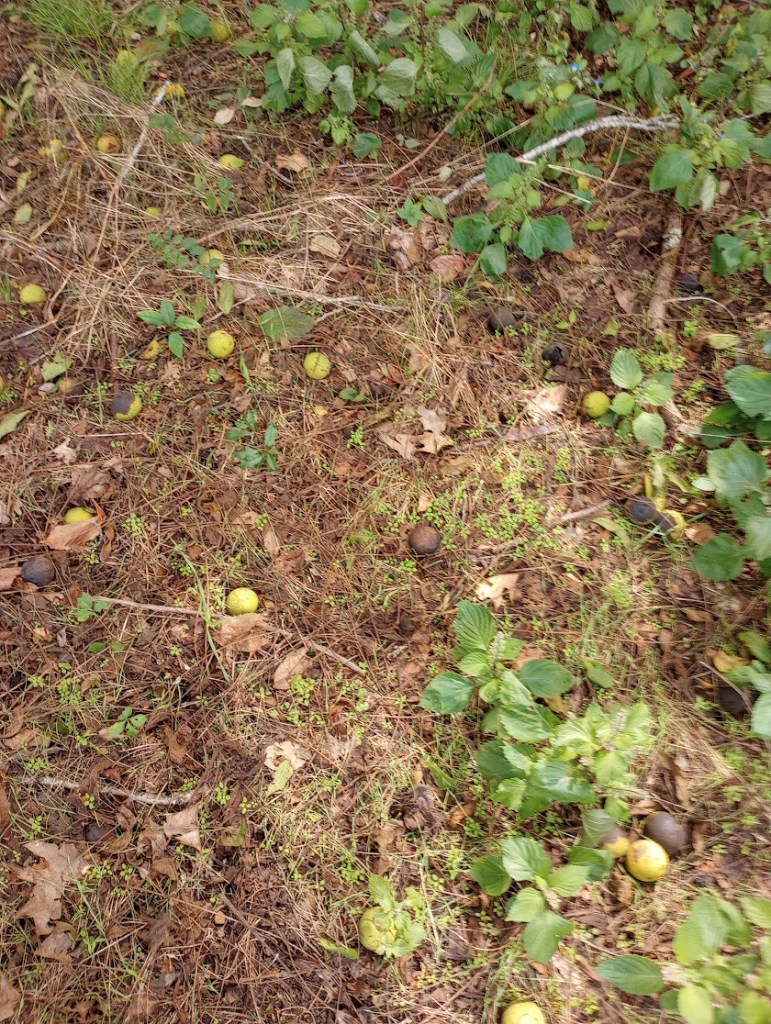
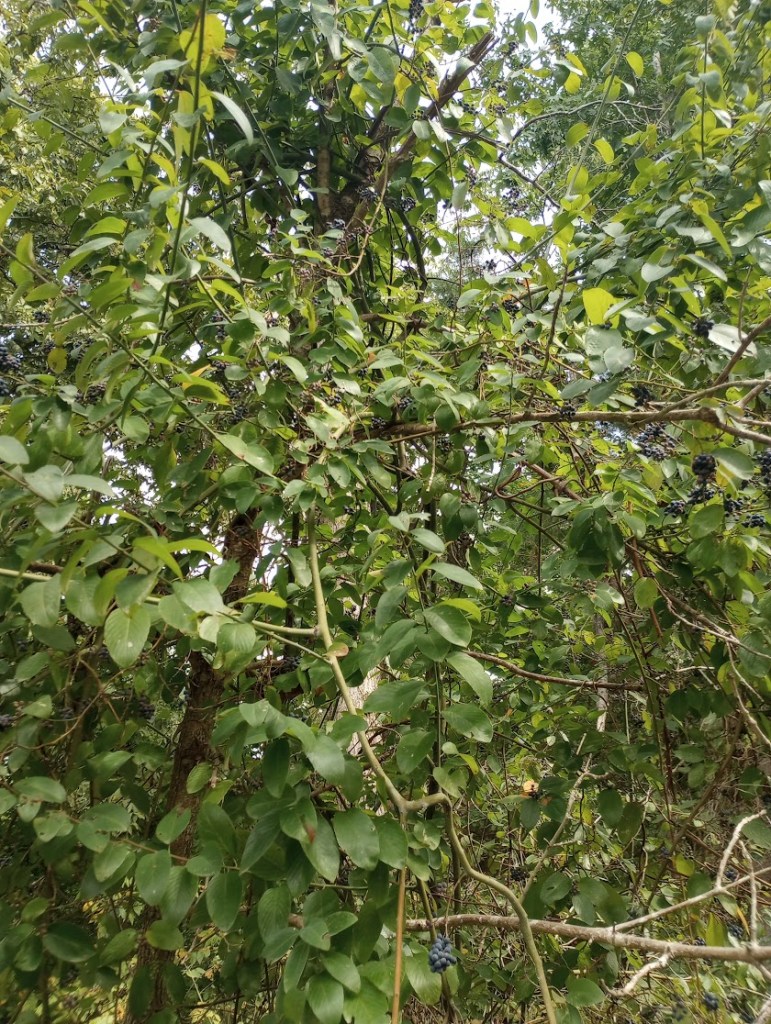
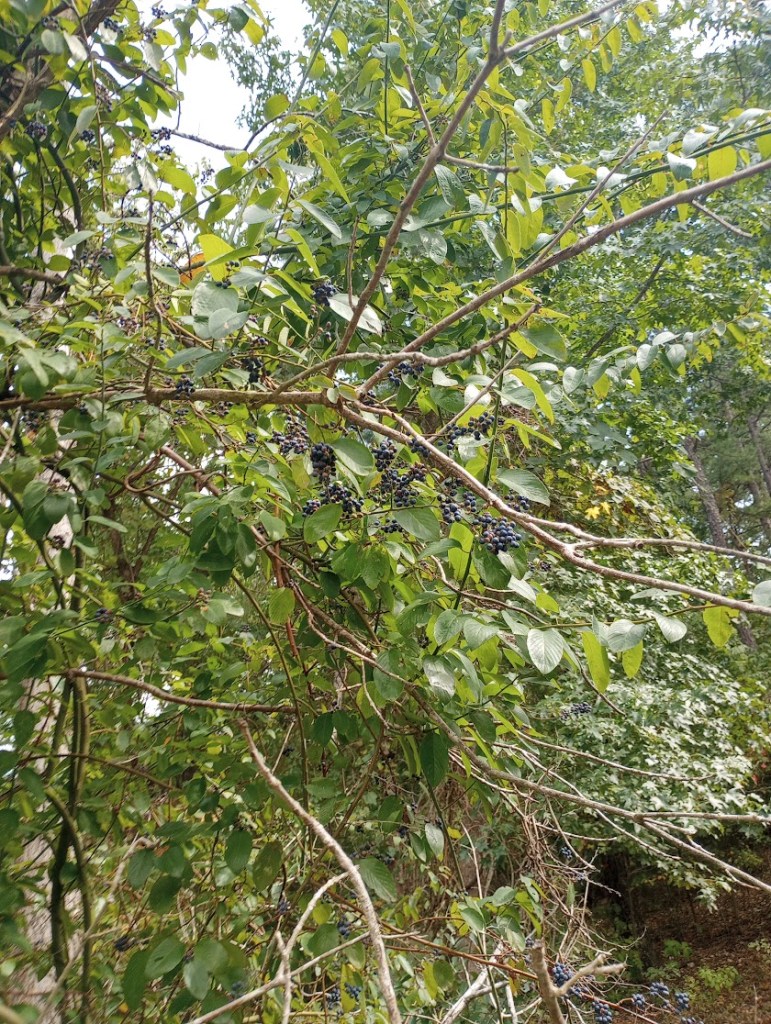
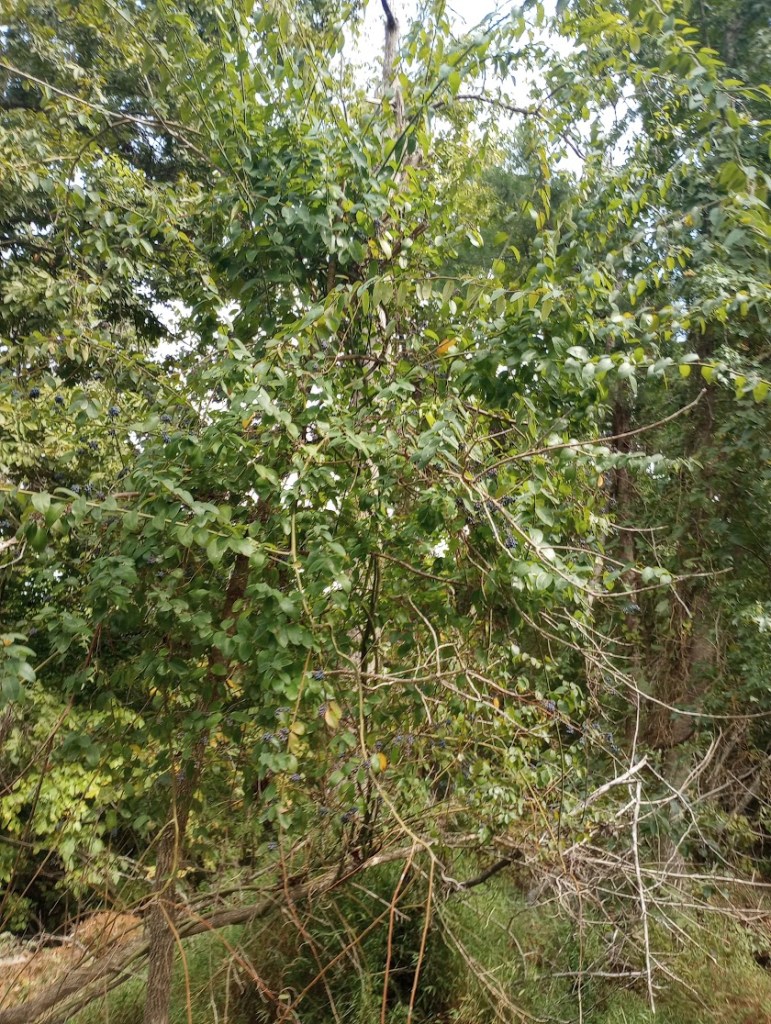
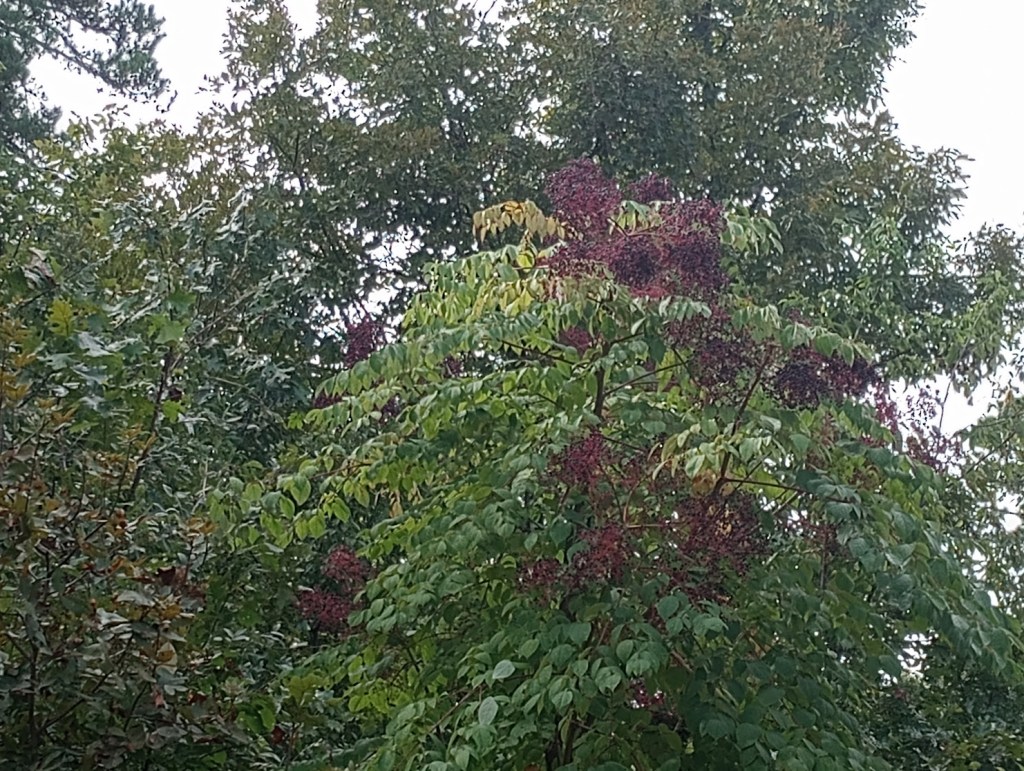
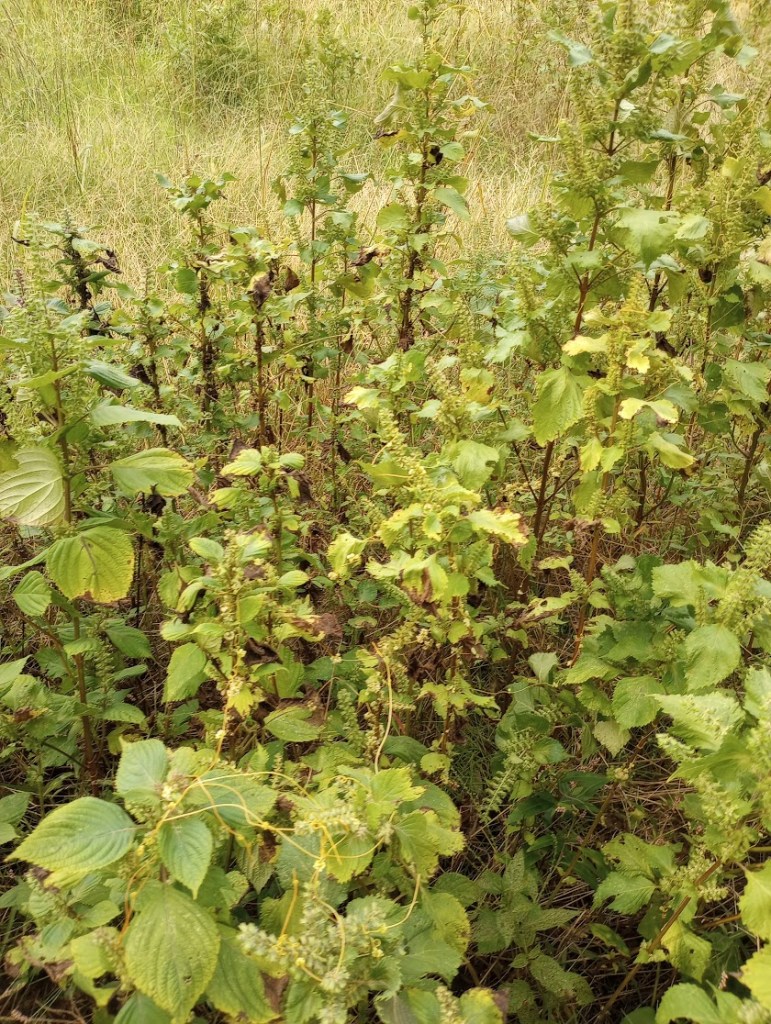
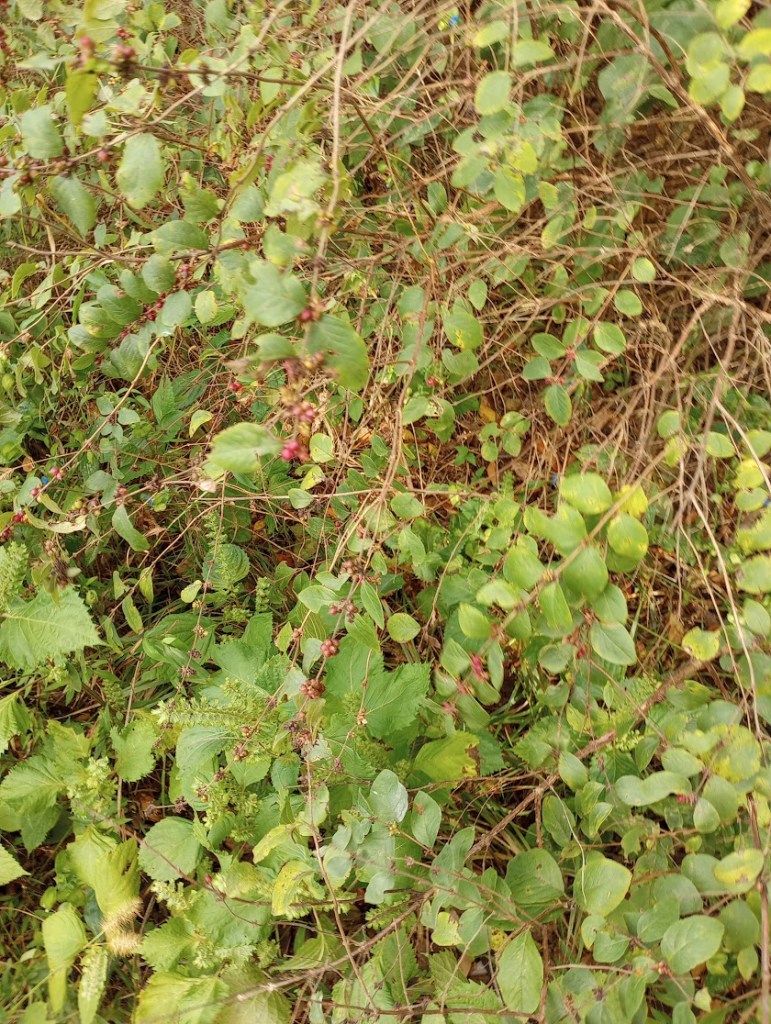
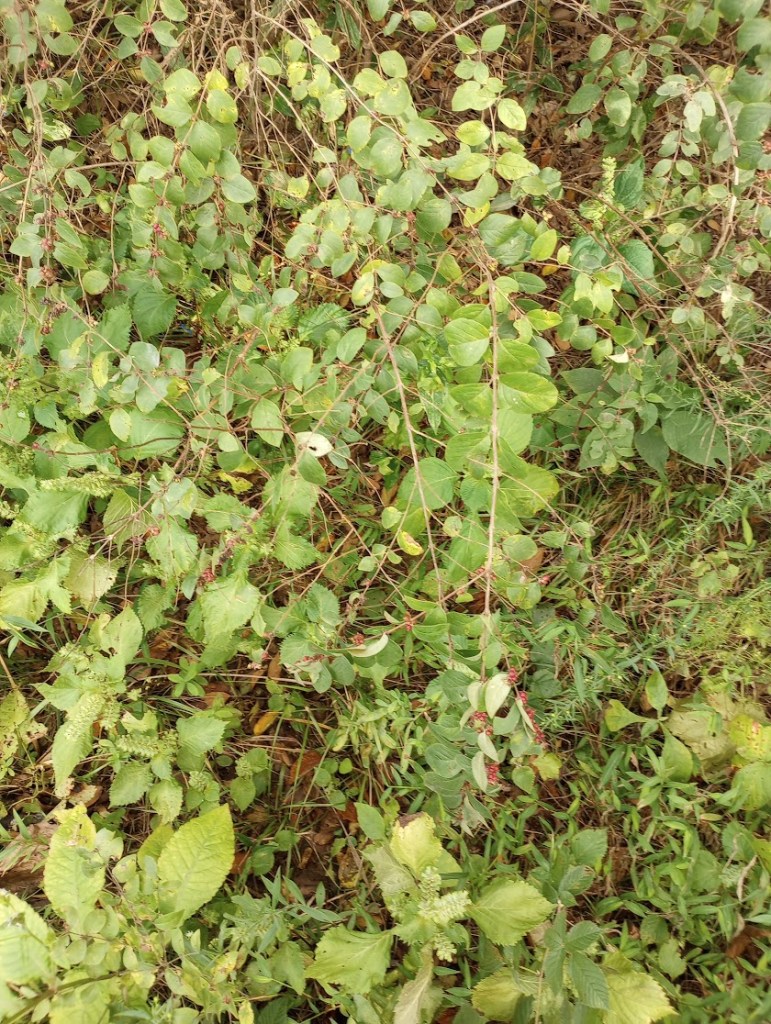
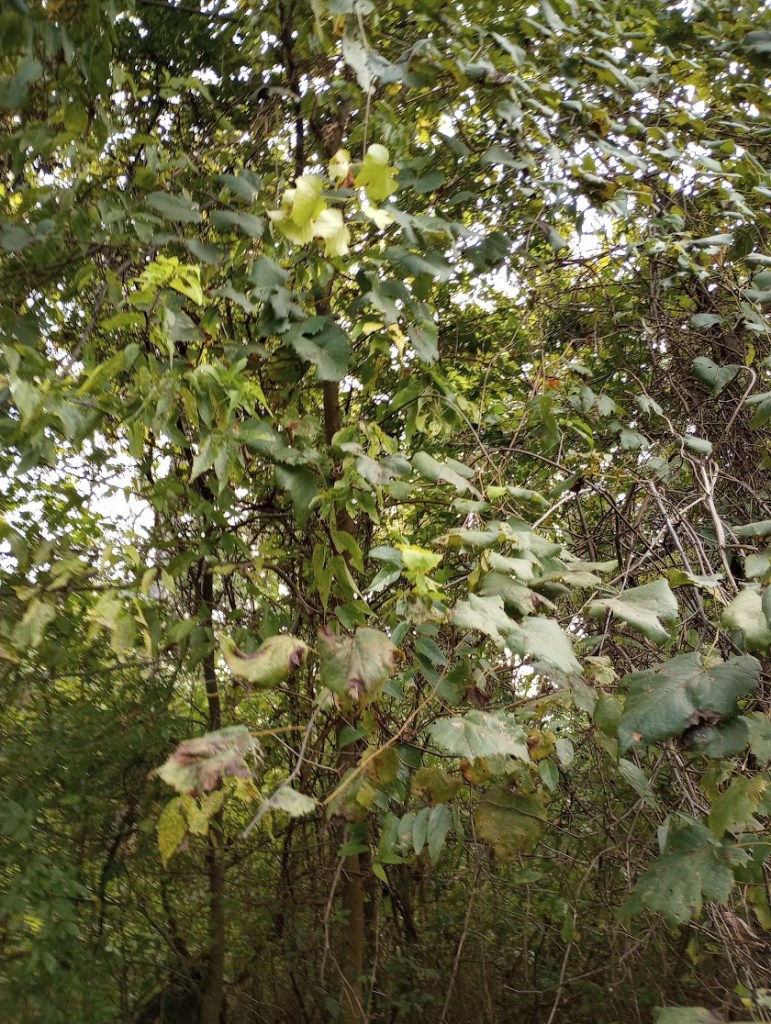
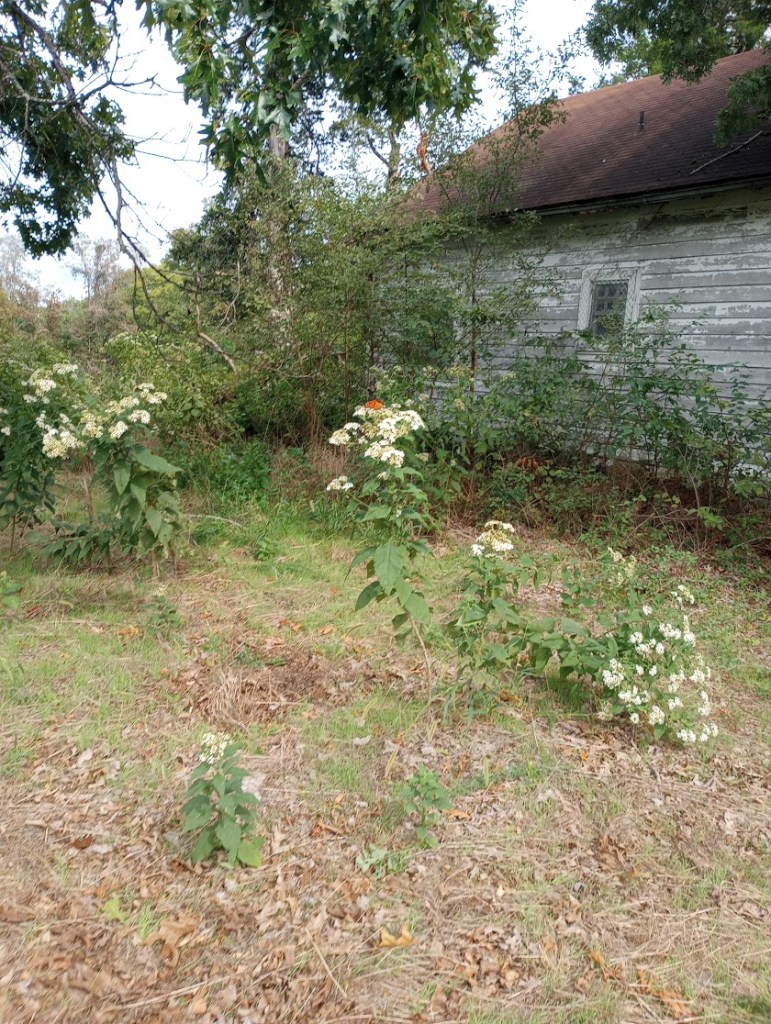
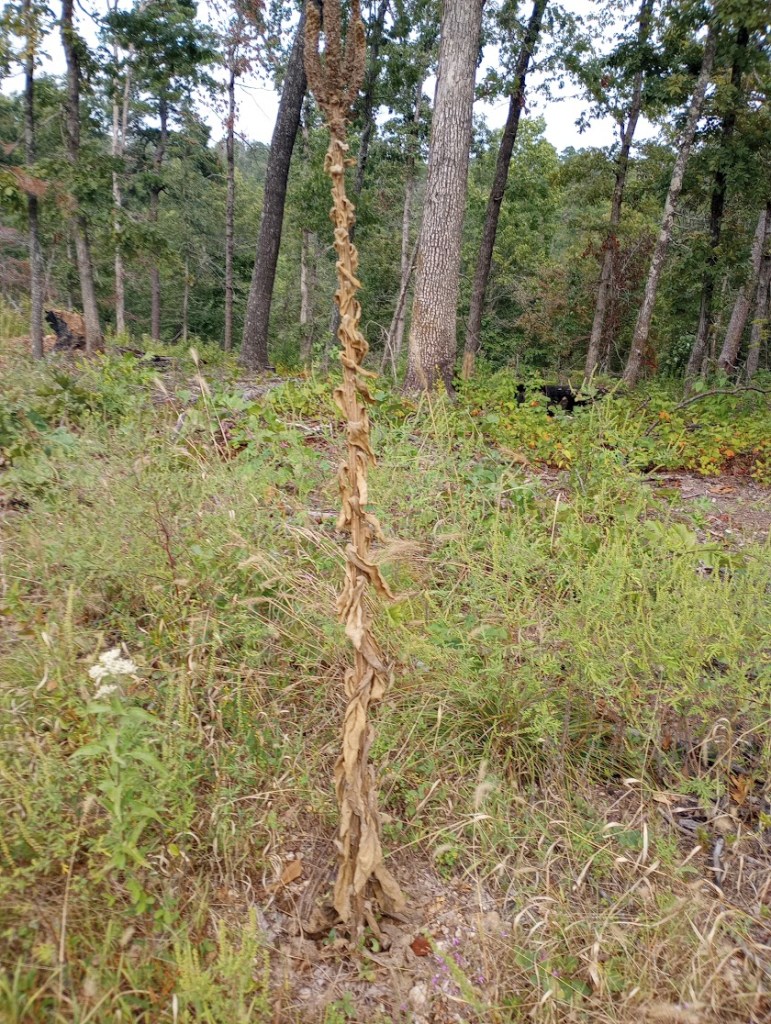
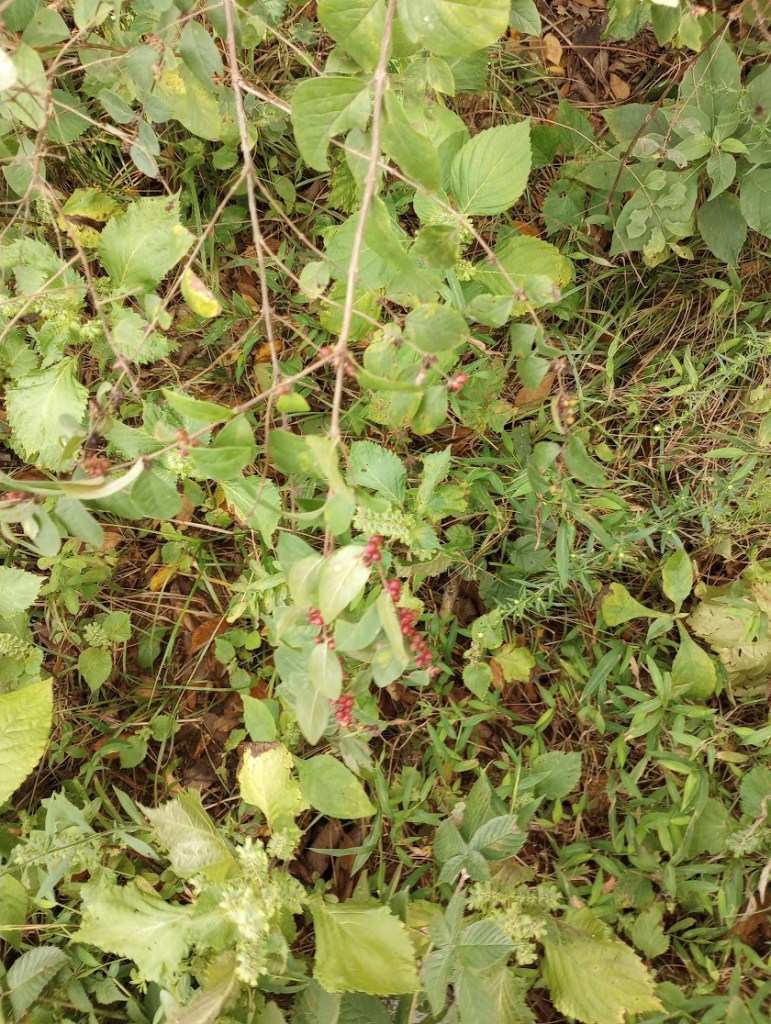
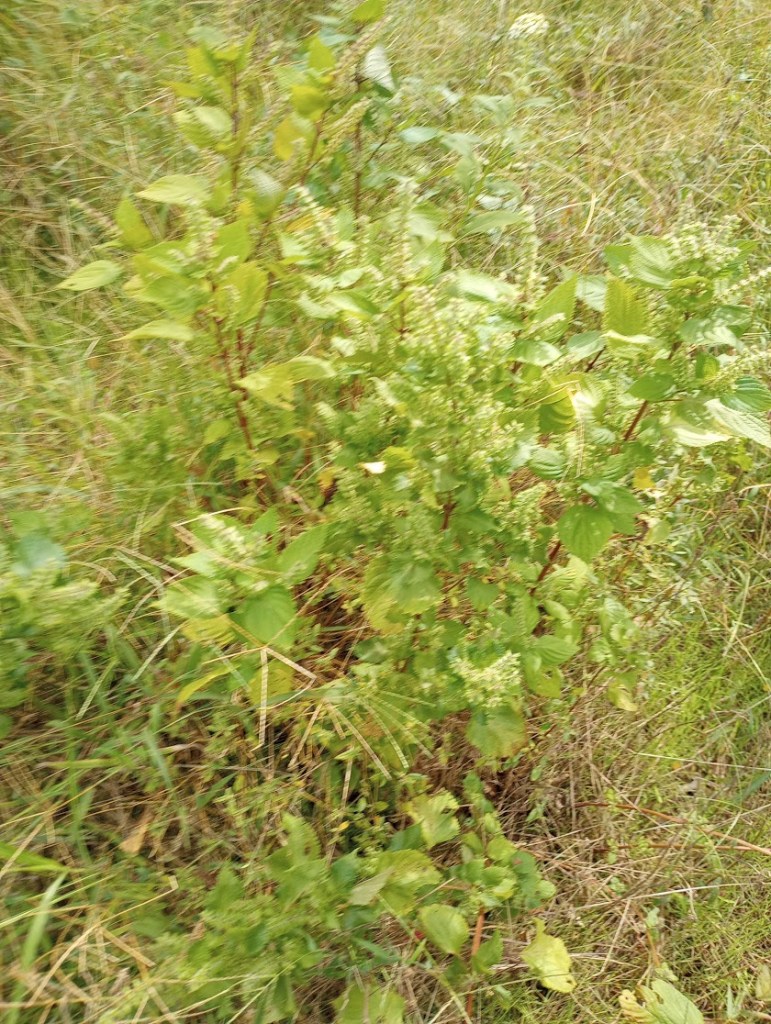
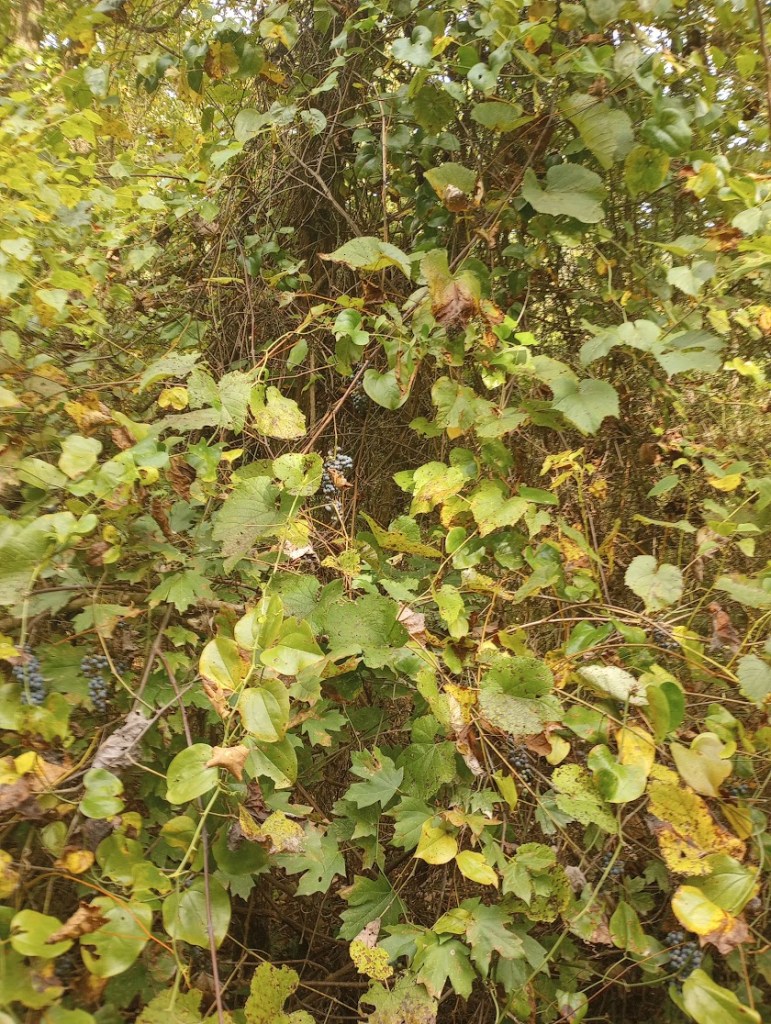
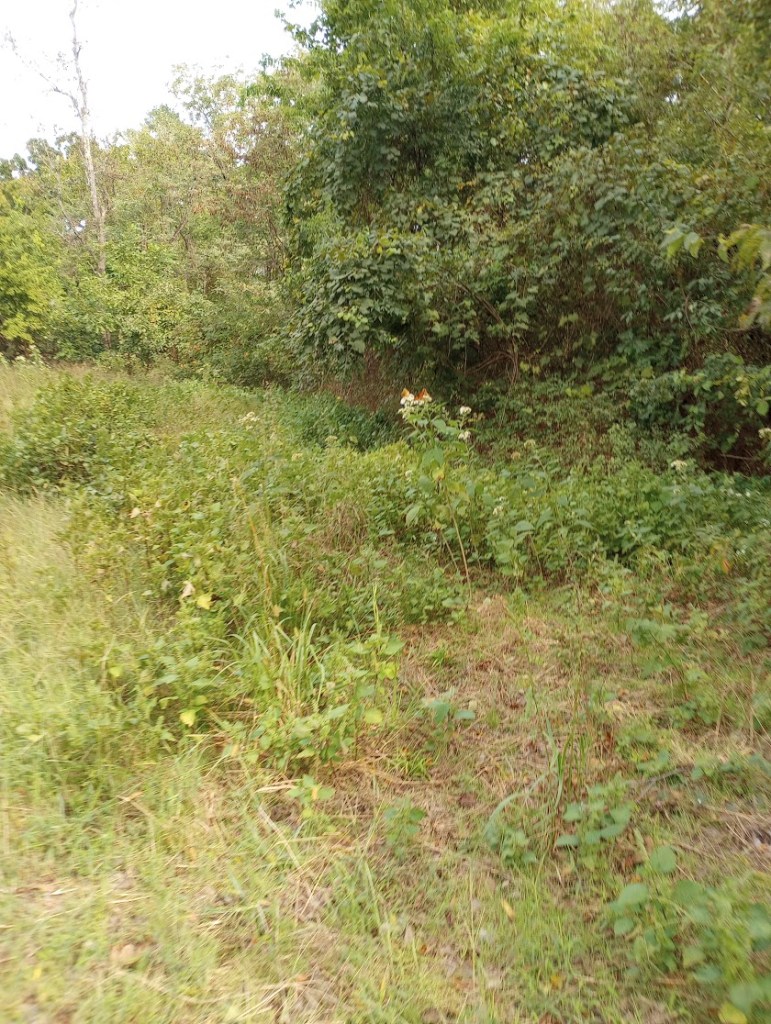
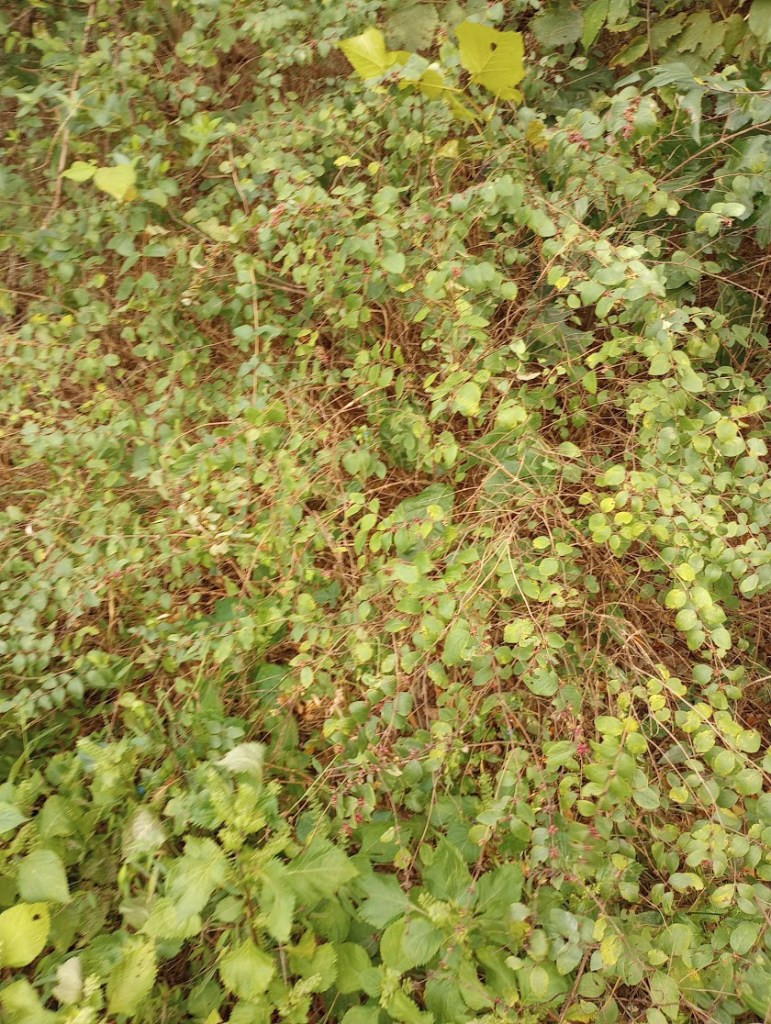
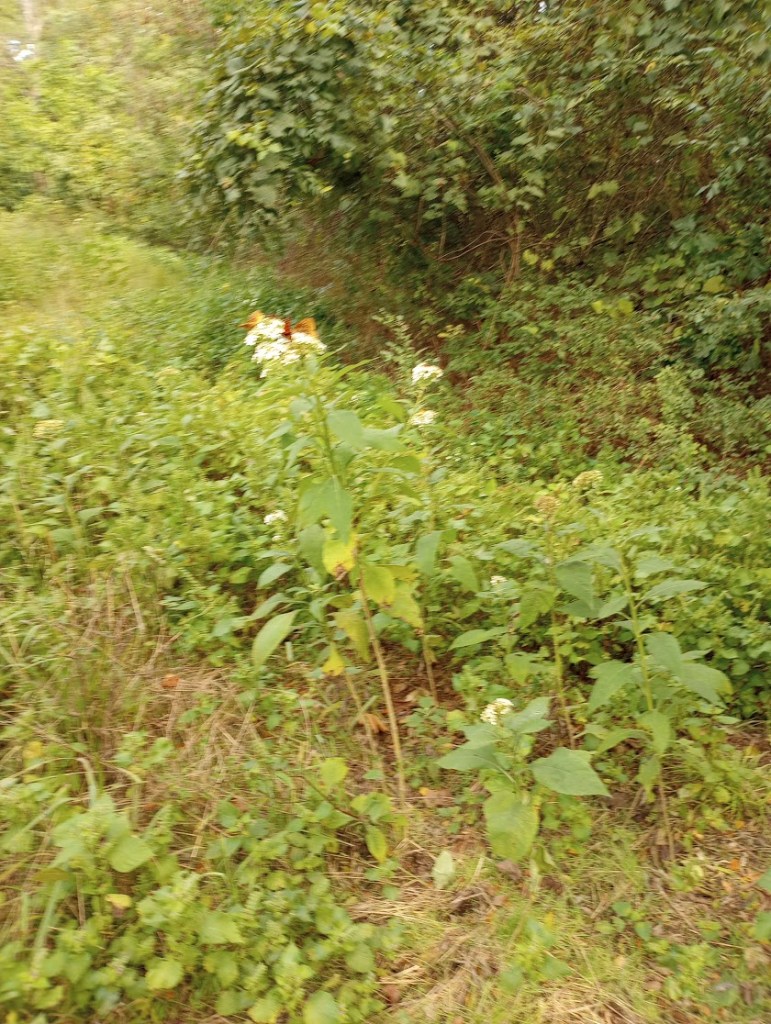
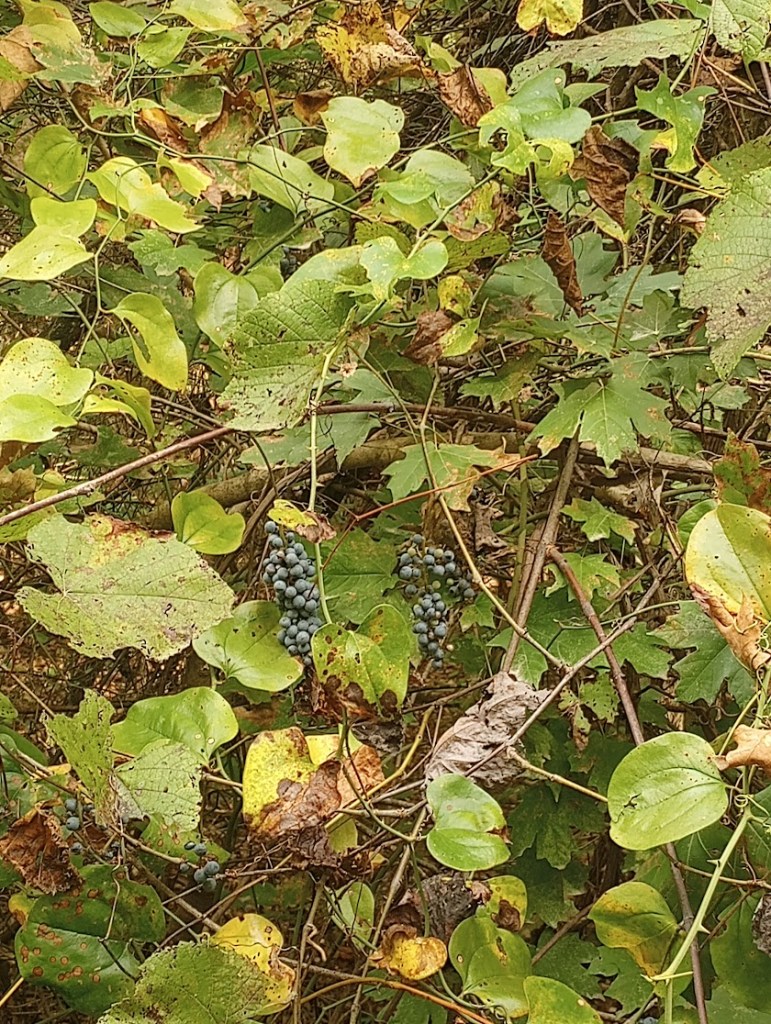
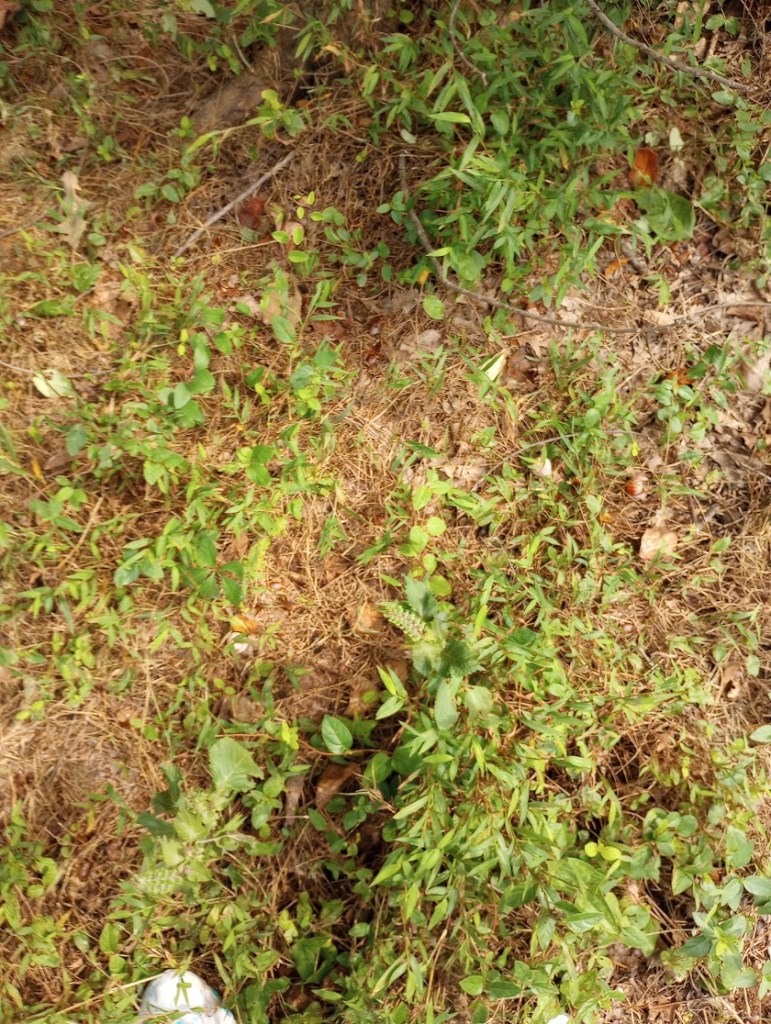
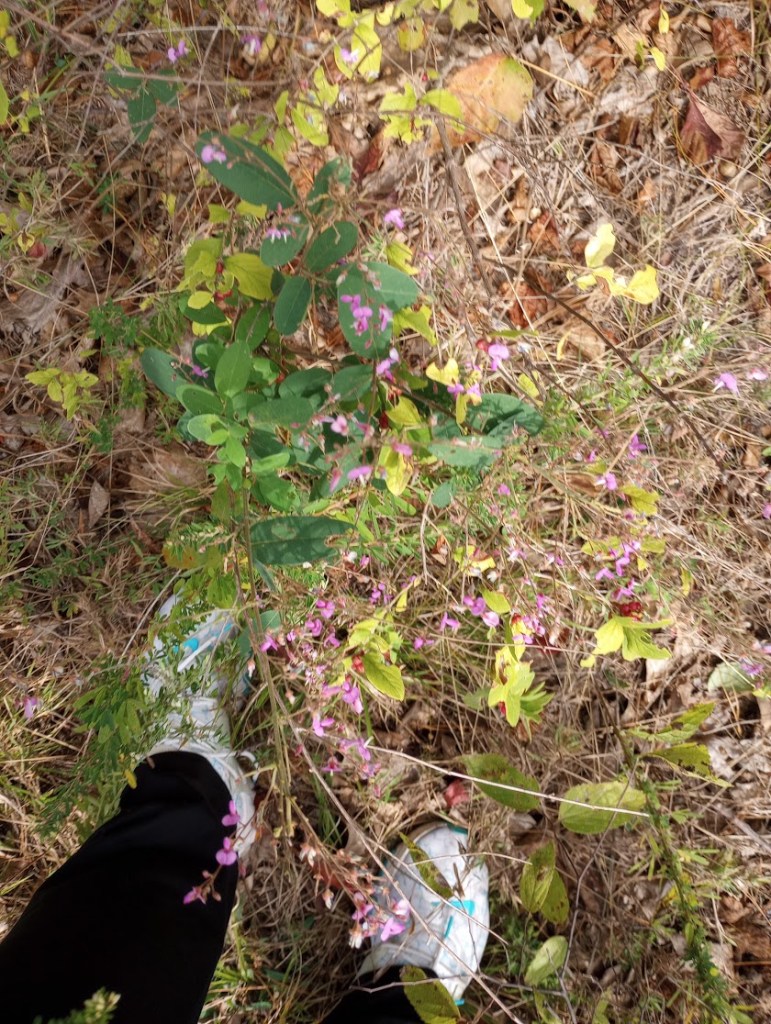
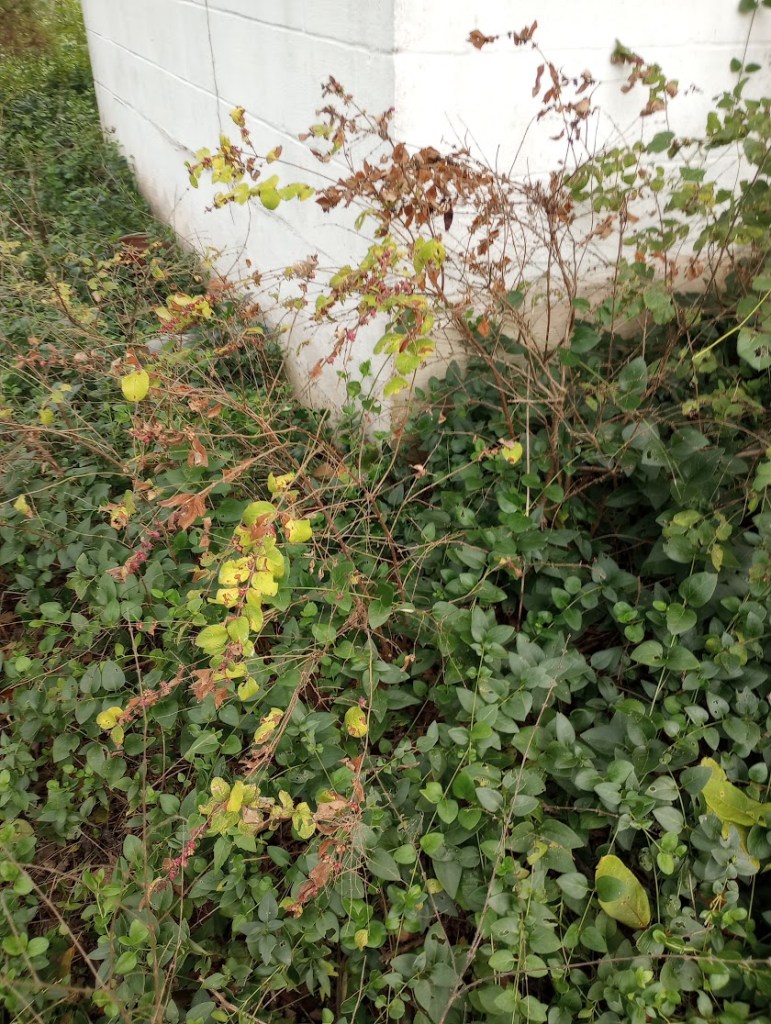
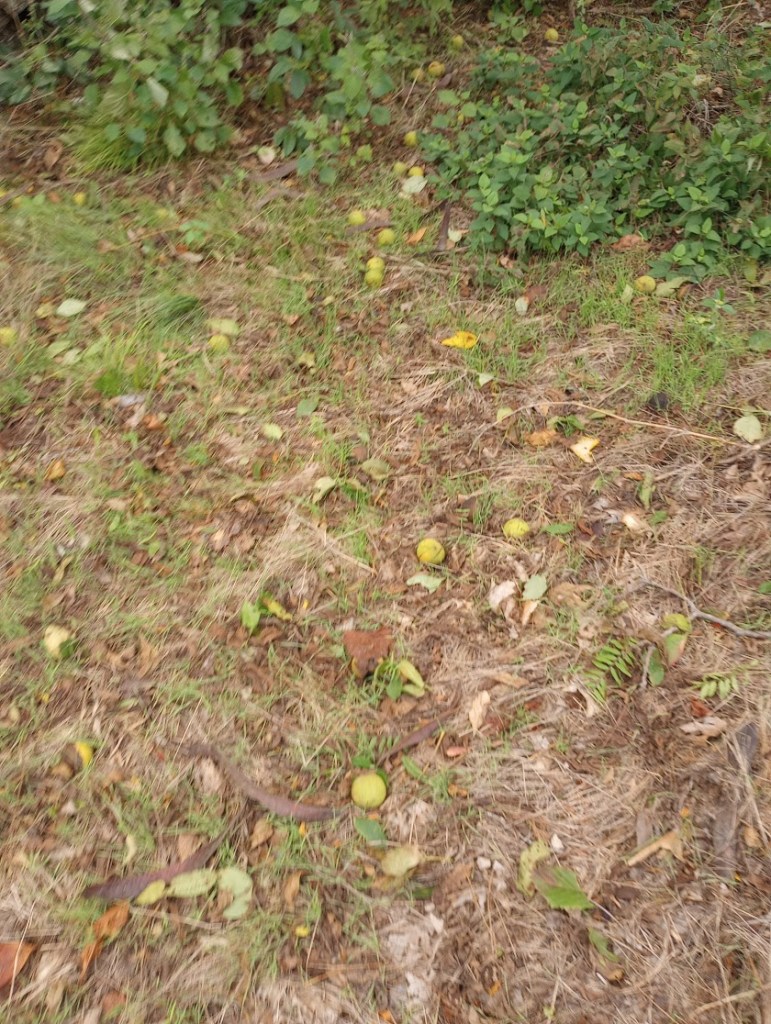
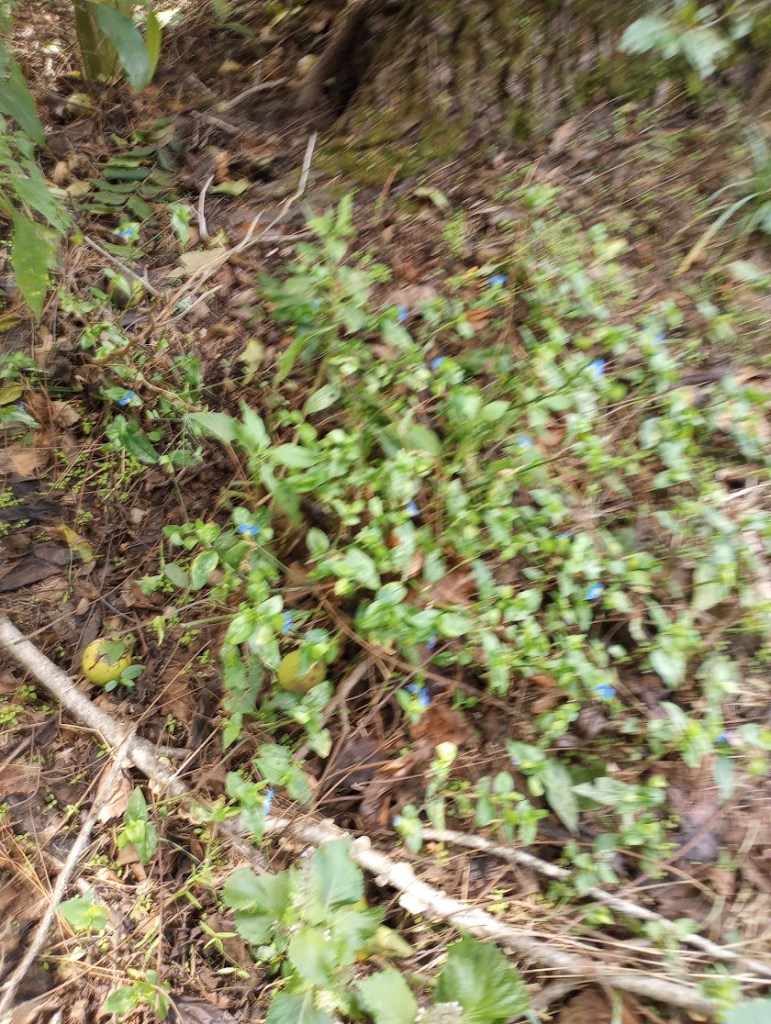
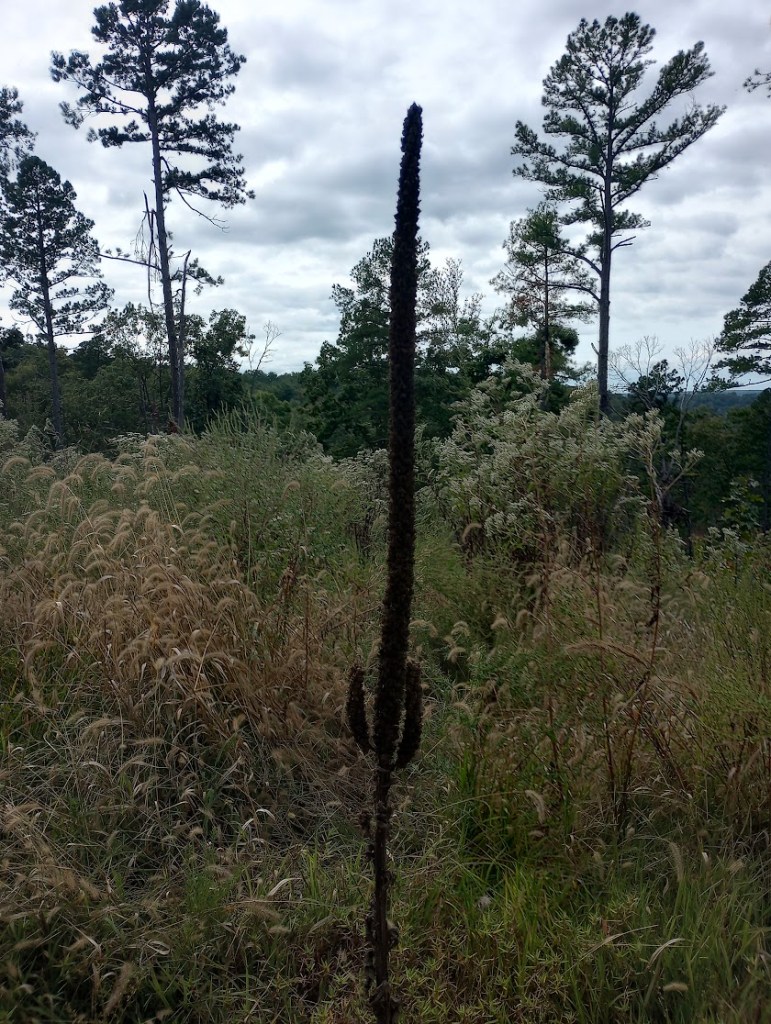
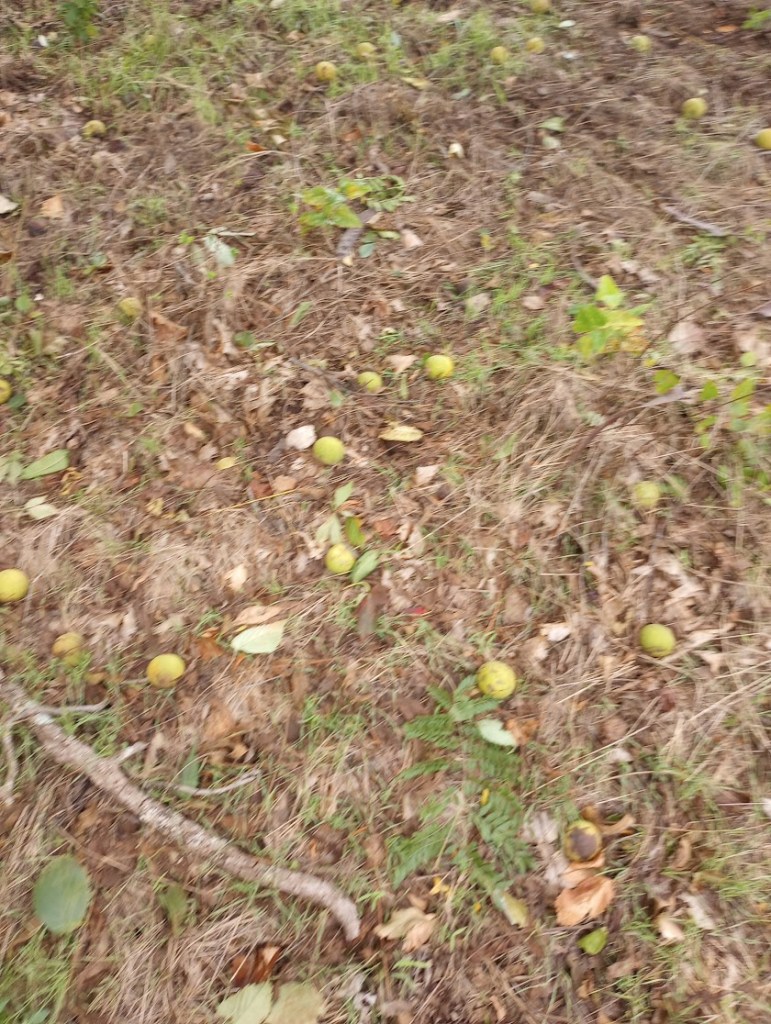
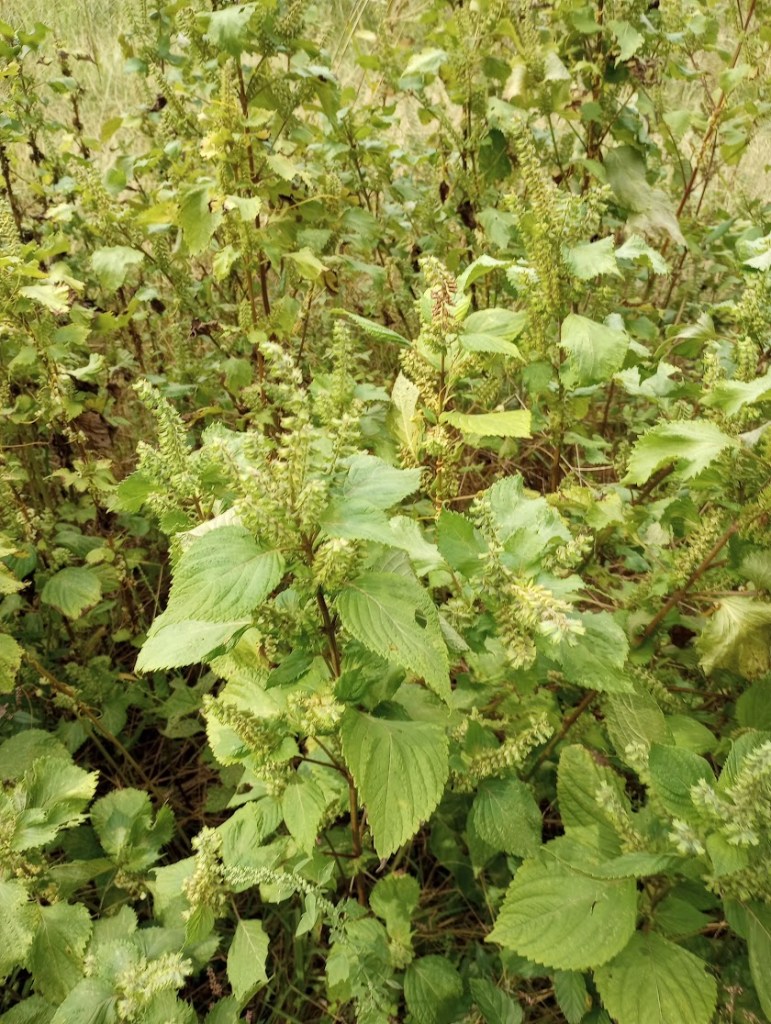
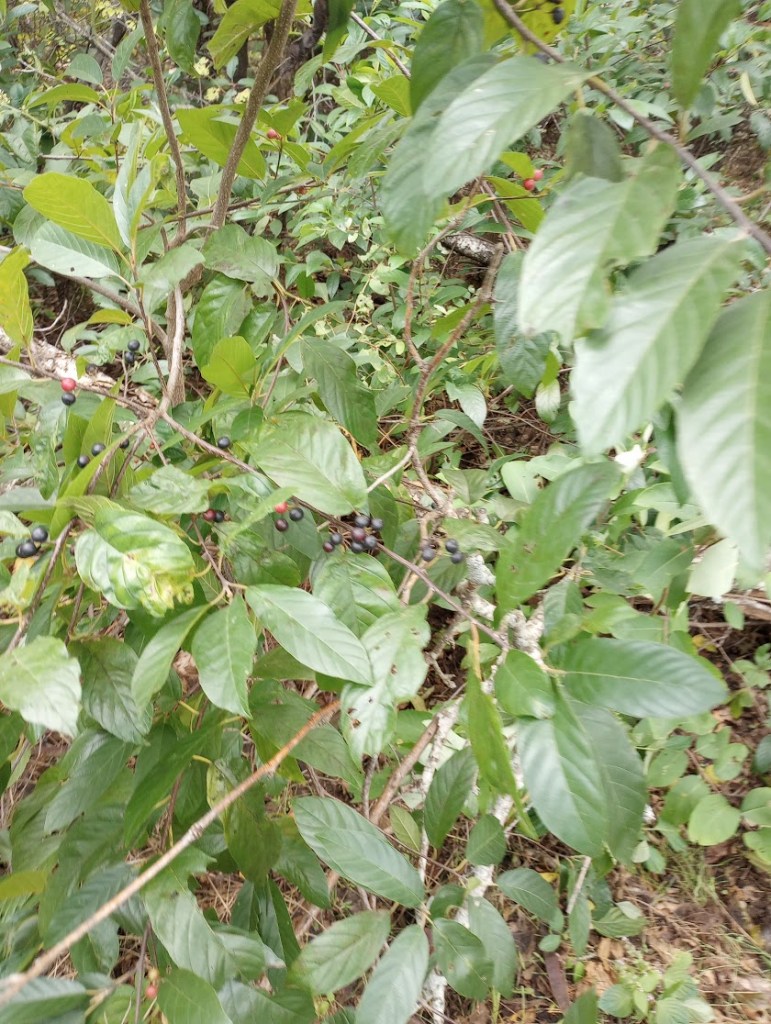
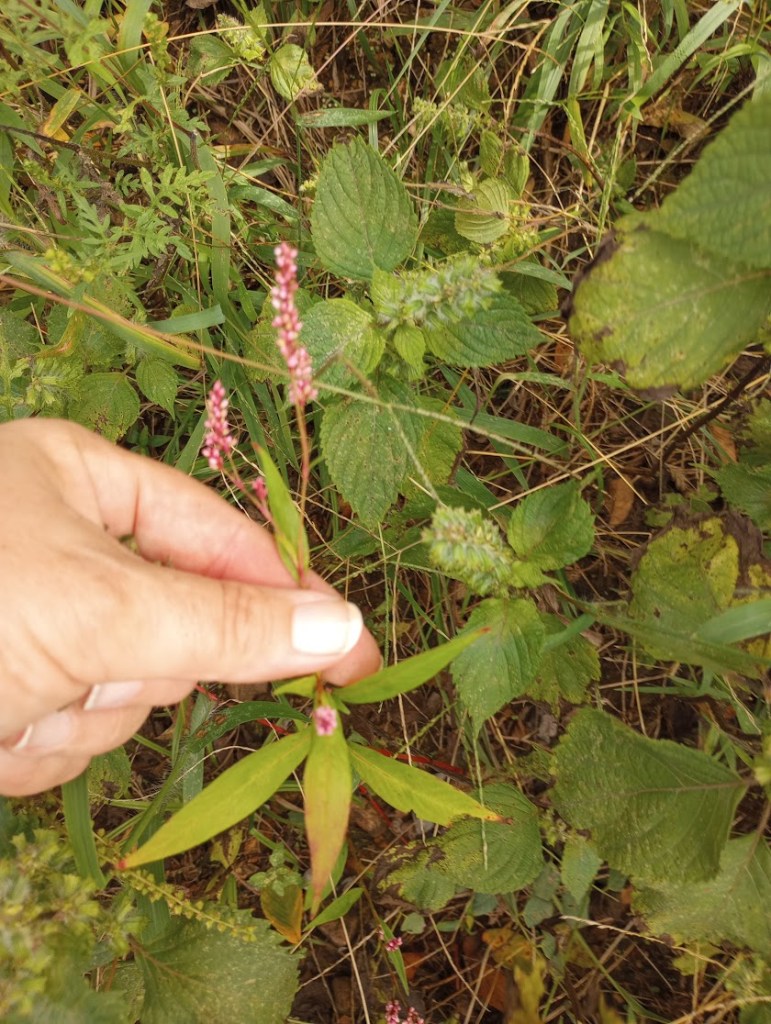
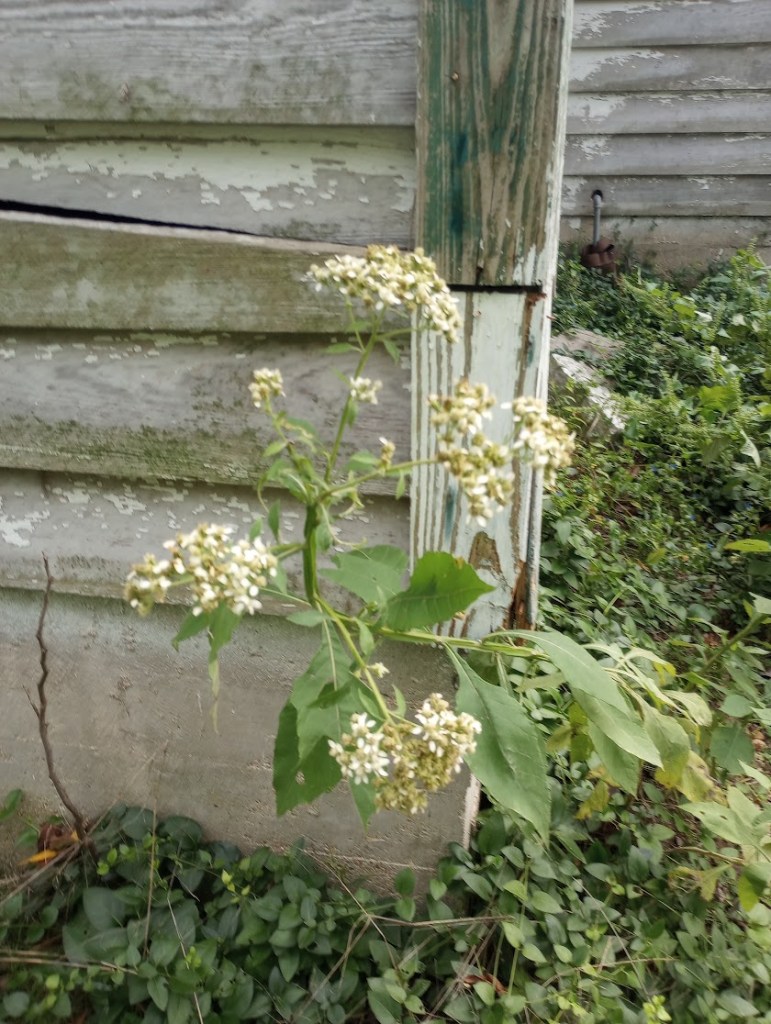
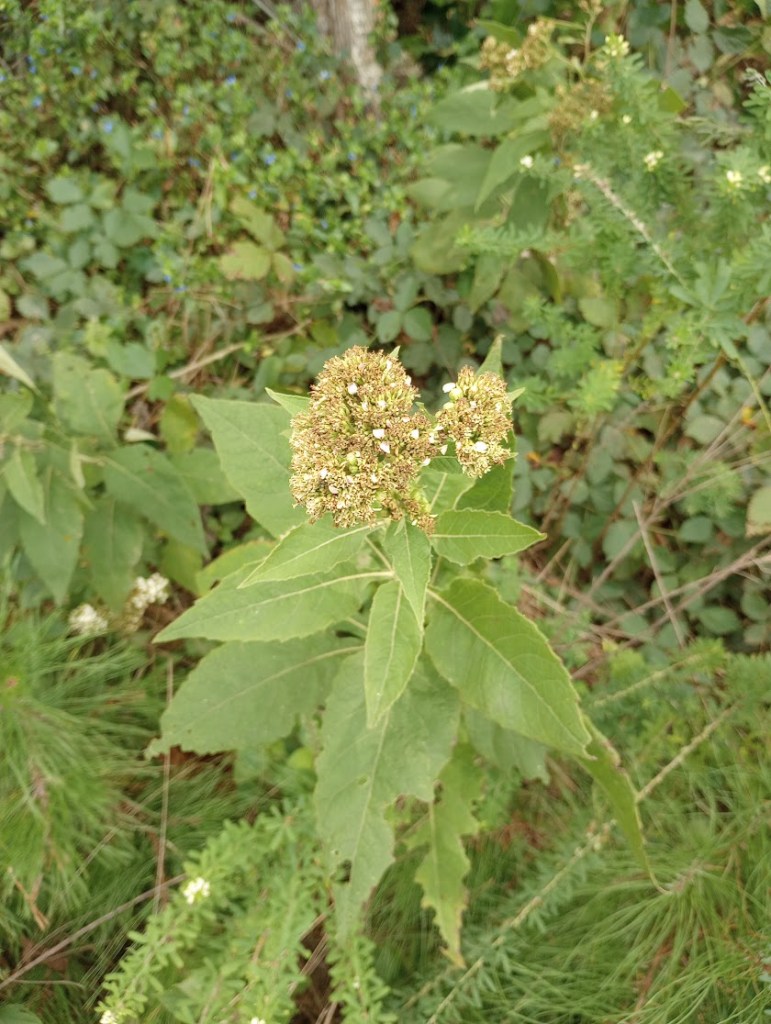
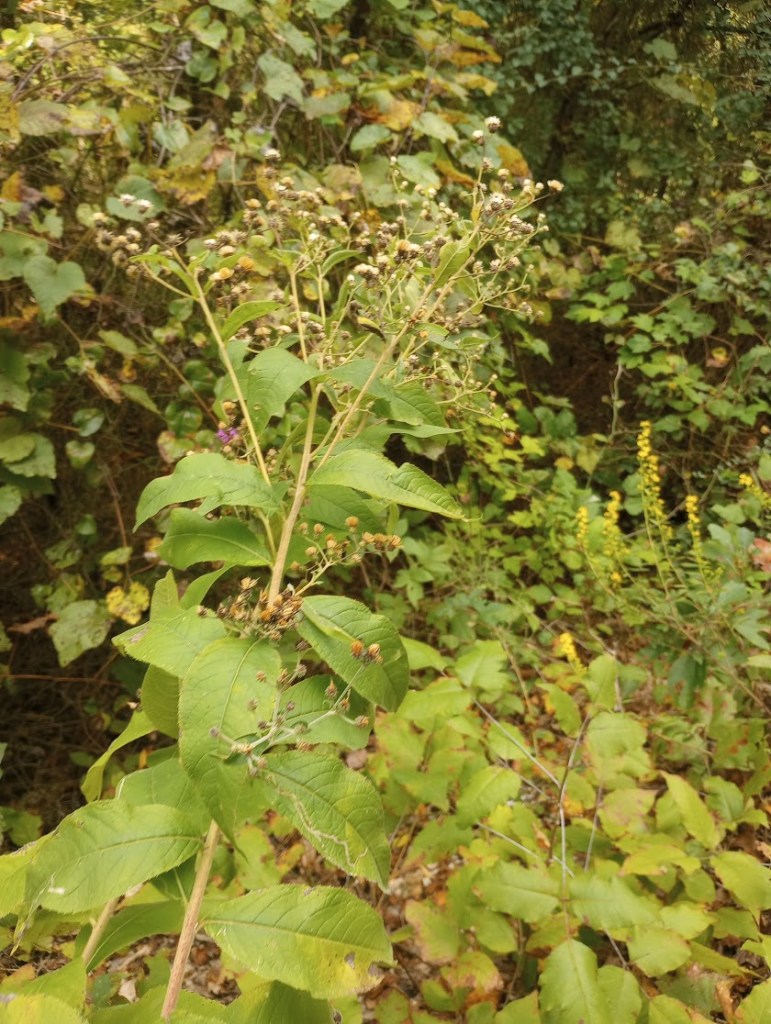
I have not grown non-traditional plants long. Some of these might actually be weeds. I will attempt to label them but I have not been doing this long so please check with an expert before you buy seeds based off my names.










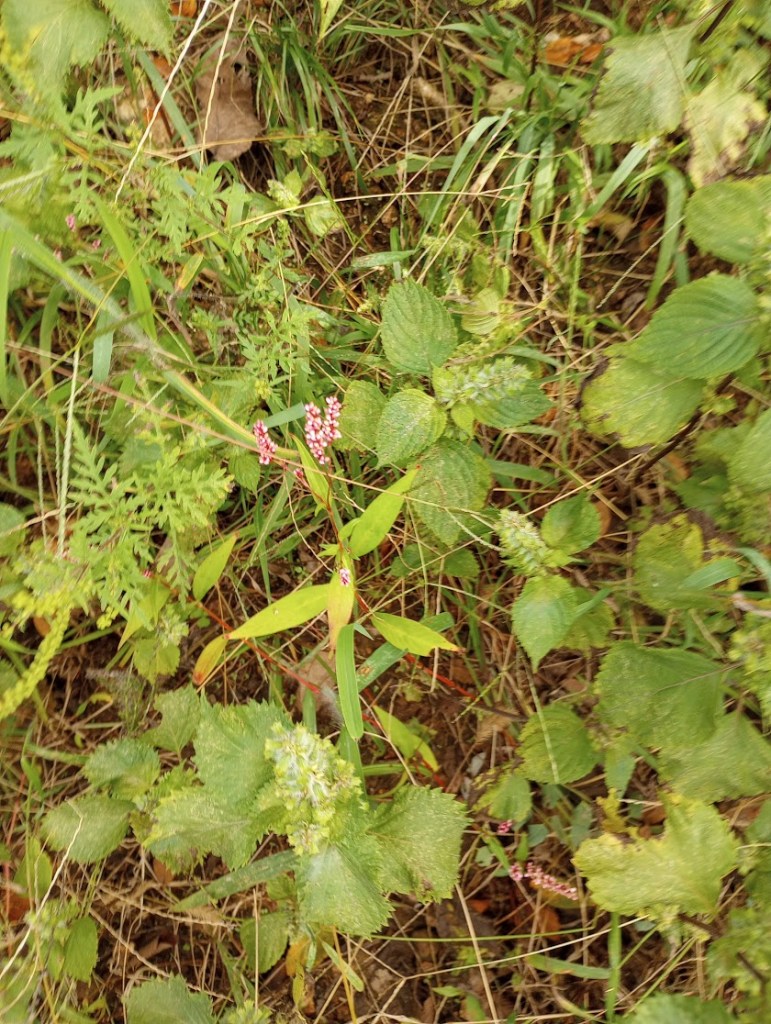
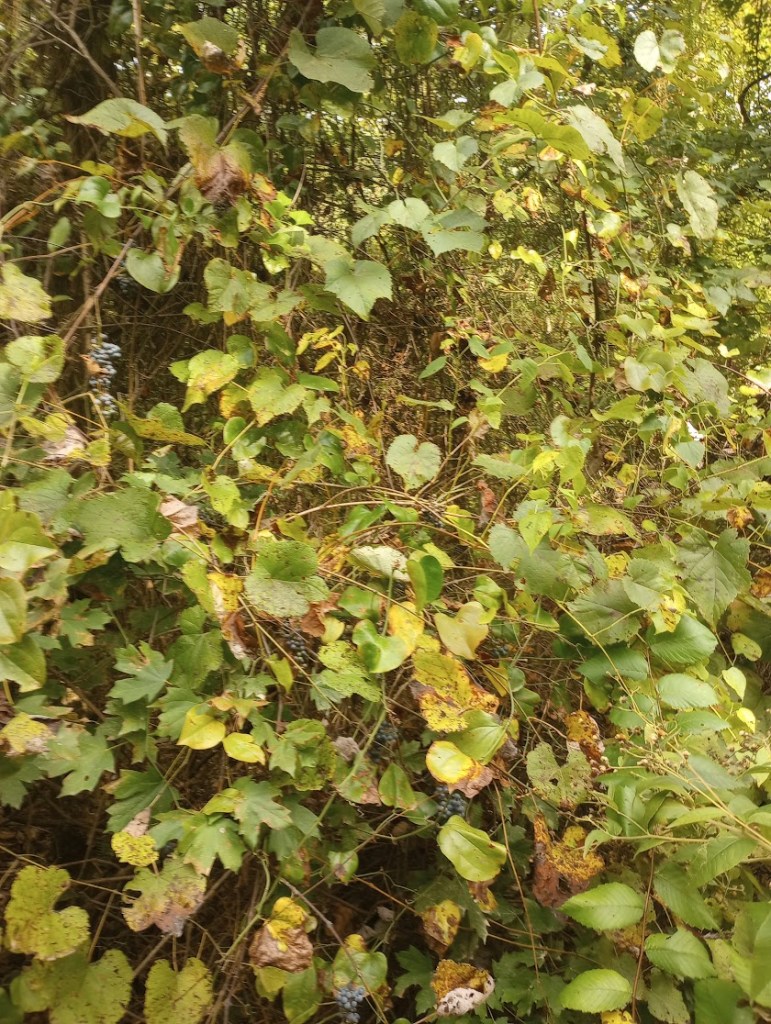
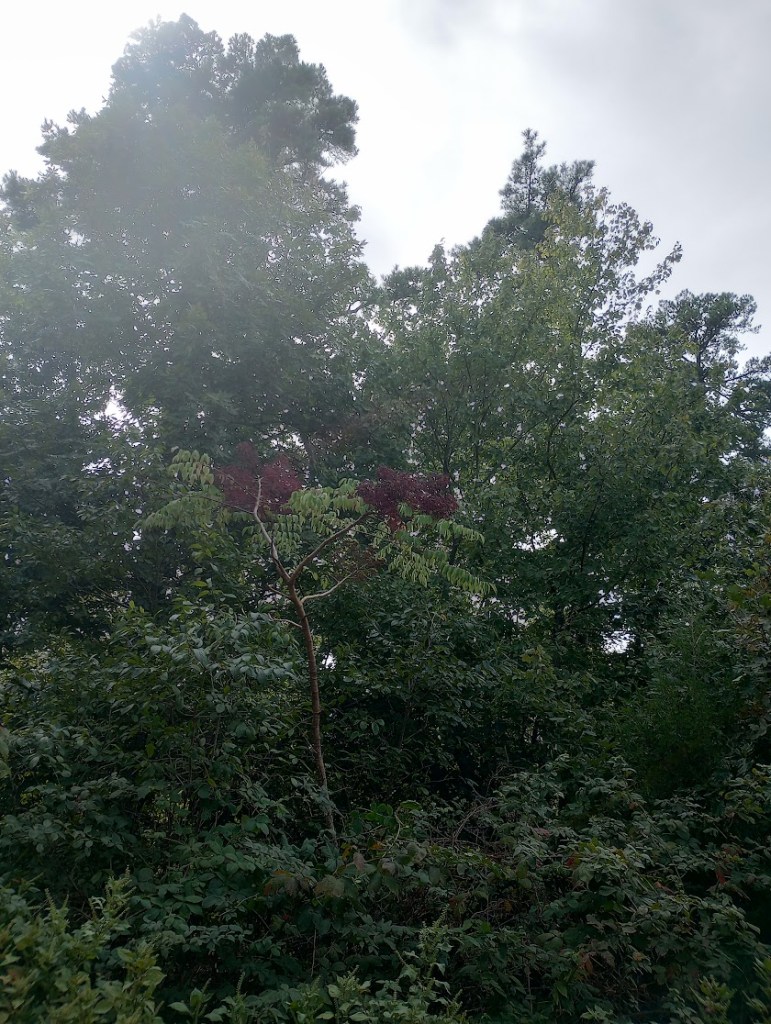



 Little Rock Poultry