What’s Available Right Now (If it’s not listed here, I do not have it):
Sold out of all poultry for 2025
Poultry that we Breed/Sell:
Barred Rock
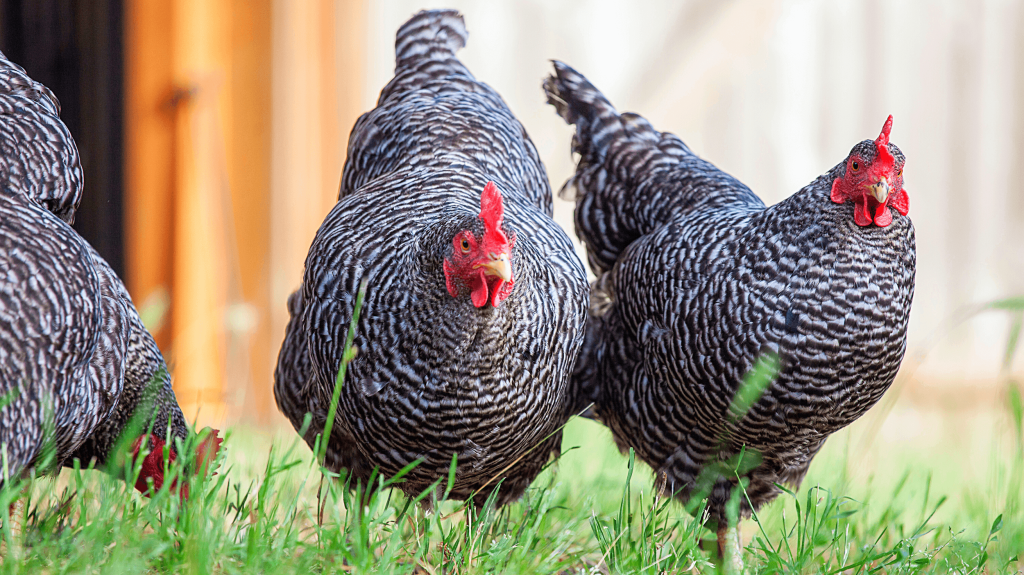
Barred Rock chickens are a heritage breed developed in New England. They are one of America’s oldest breeds. They are used mainly for egg production and lay around 250 brown eggs per year. These will most likely go broody and are great mothers.
LIGHT BRAHMA
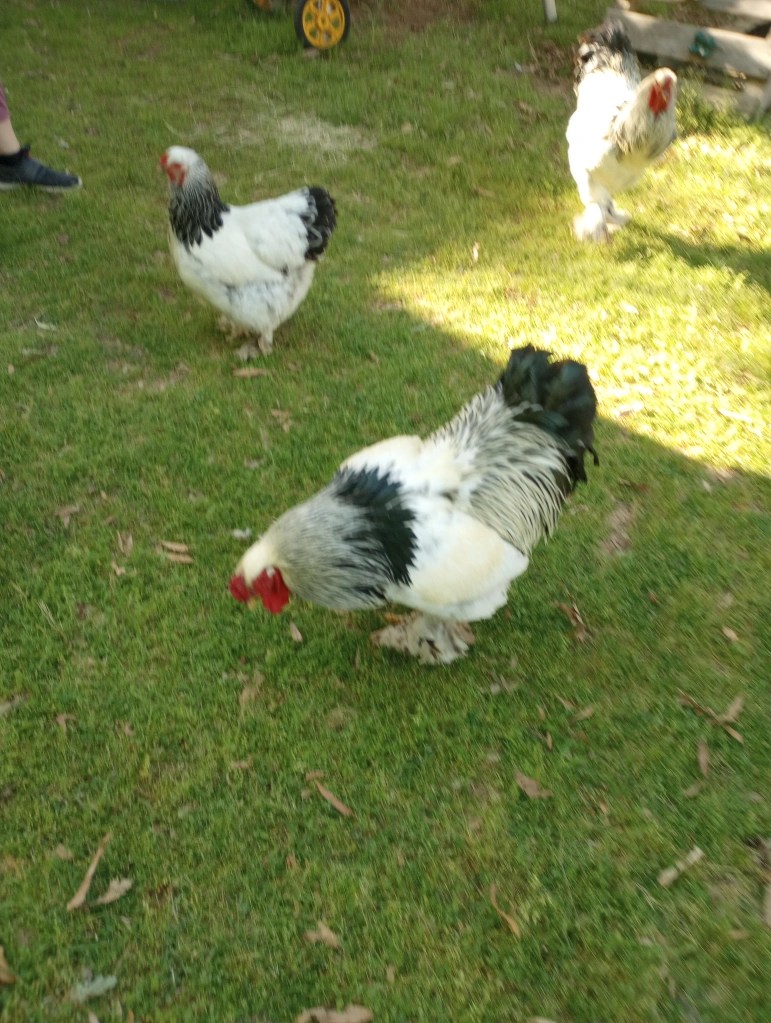
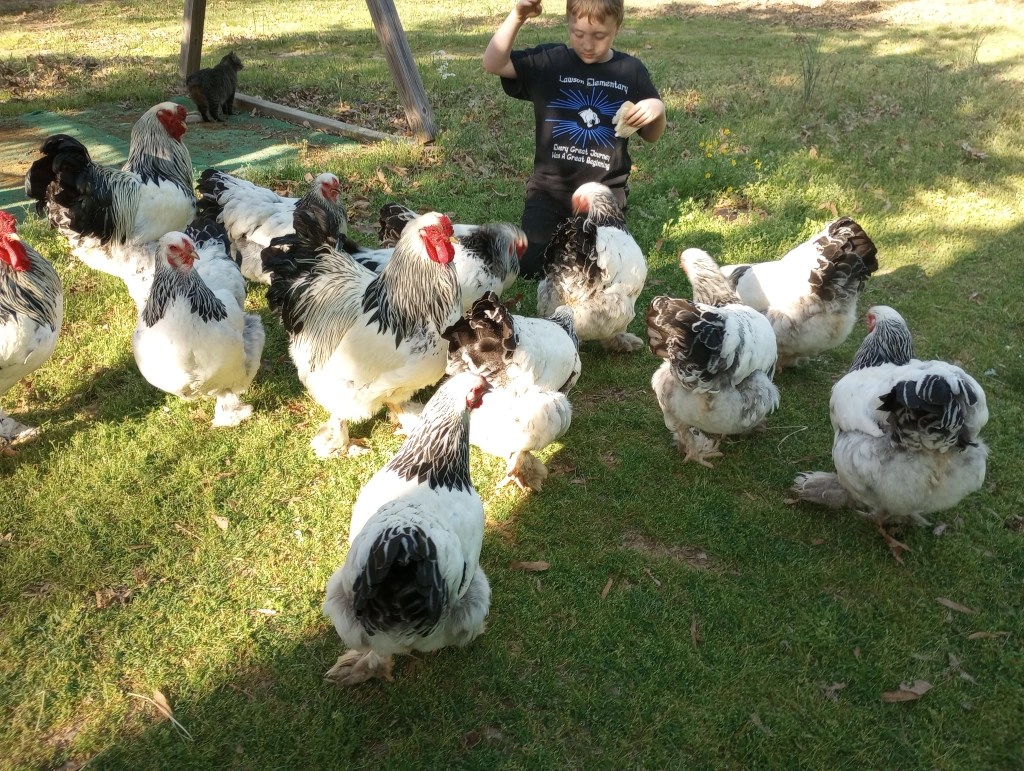
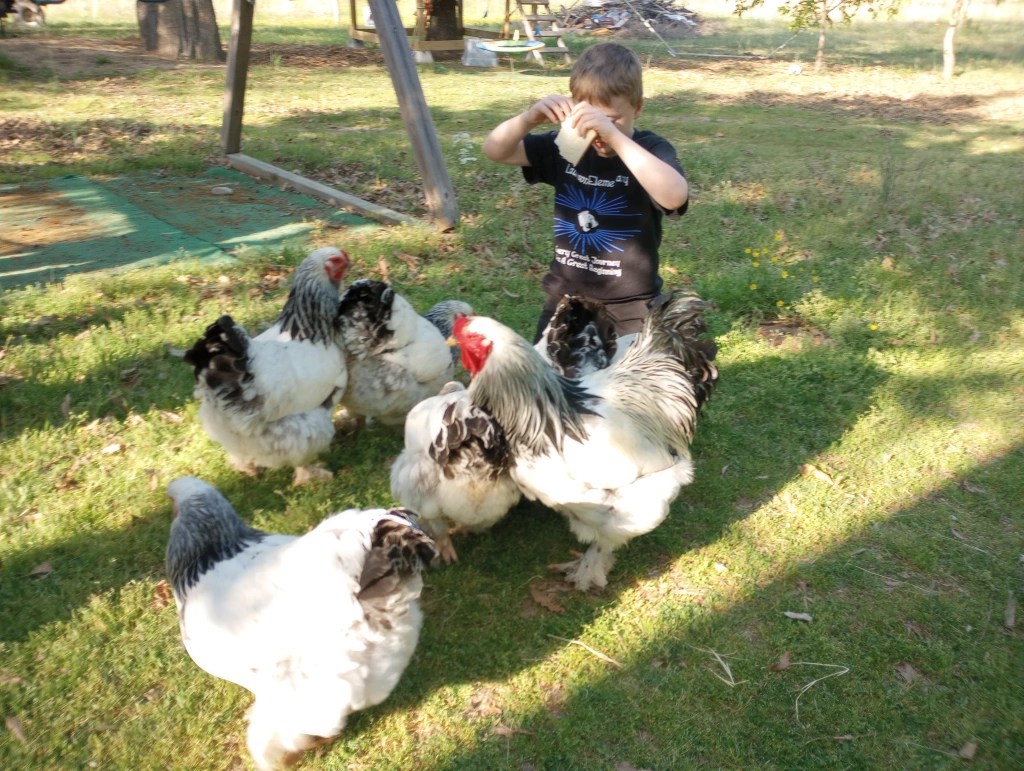
Most hatchery Light Brahma’s weigh around 8 lbs. for hens and 10 lbs. for roosters. They should not be purchased for just egg production as they lay a low amount of eggs. They lay around 150-200 brown medium/large eggs per year–laying better in the winter months. The pictured birds are Standard Light Brahma’s meaning they are bred as close as possible to the true heritage breed. Standard breeds are always bigger than a hatchery breed. Lots of times, they lay less eggs. These will most likely go broody and are great mothers.
As you can see from the pictures, these Standard Light Brahma’s are NOT small. Big Daddy himself weighs 15 lbs. Some of the hens are closer to 10-12 lbs.
These are rare chickens. The original babies came from Oklahoma. We have a goal of saving some of the standard heritage breeds of chickens so please don’t purchase these if you don’t plan on breeding them and keeping them as pure breeds. We paid double our regular price to get started in this breed. Therefore, our babies in this breed are higher than our regular chickens: $10 each plus $1 per week in feed. Straight run only.
Easter Eggers
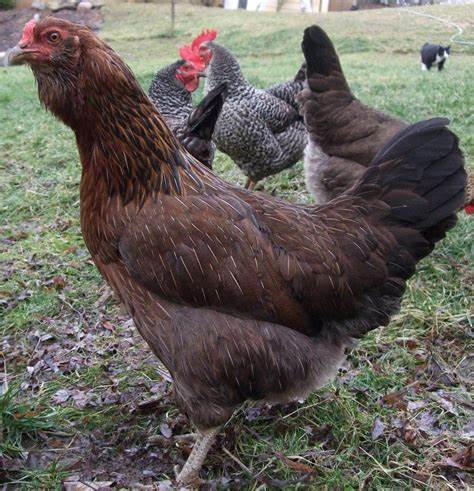
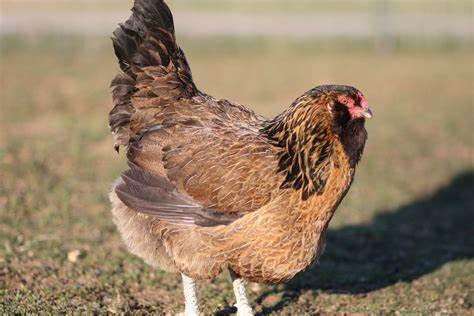
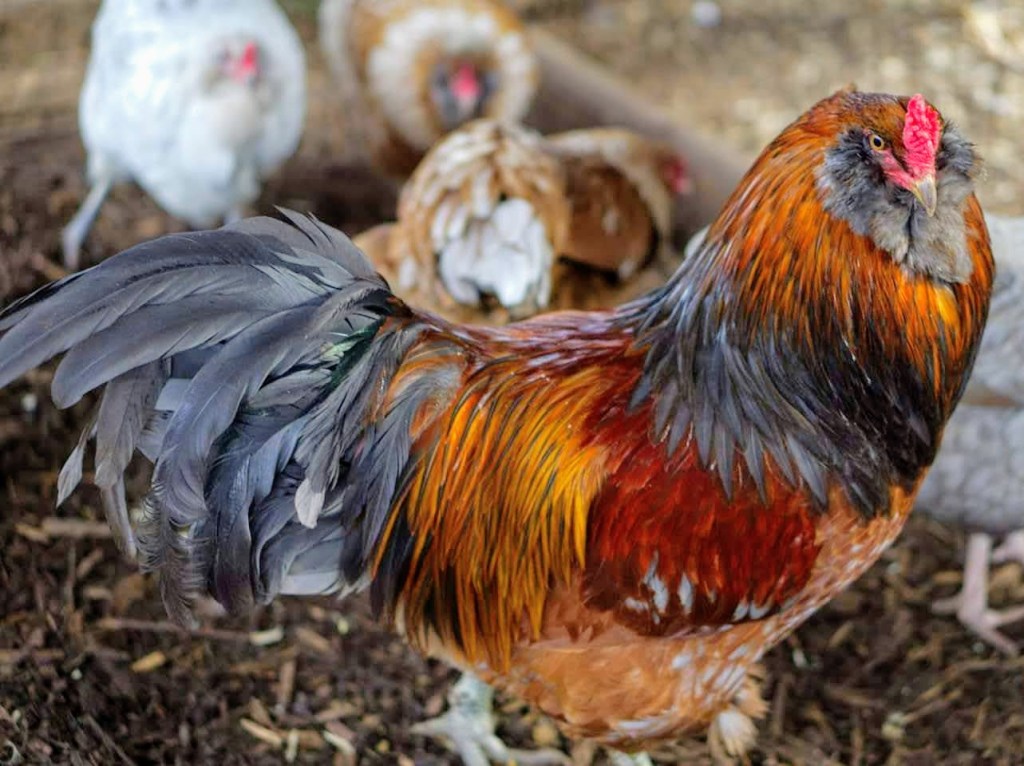
Easter Egger chickens come in a variety of colors. It is a hybrid breed–meaning not heritage. Easter Eggers are known for their blue/green eggs. Egg laying ranges from 200 eggs per year and up. Mine appear to lay around 230-250 eggs per year. The eggs are medium/large green eggs. Depending on the breed they started with, you have a chance of getting a hen that lays a brown, white, or blue egg. That chance with our Easter Eggers is 10-20%. They rarely/never go broody.
Black Sexlink

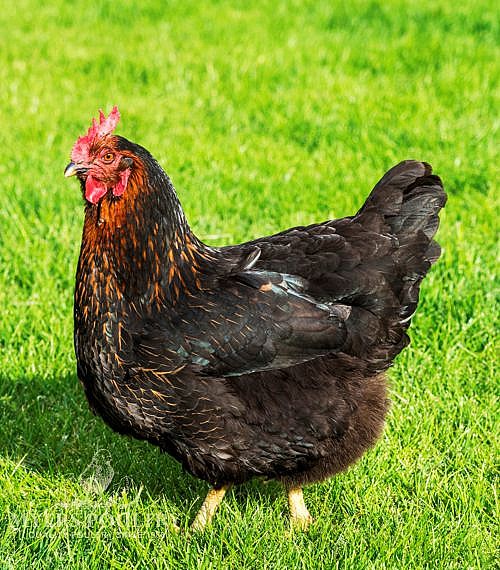
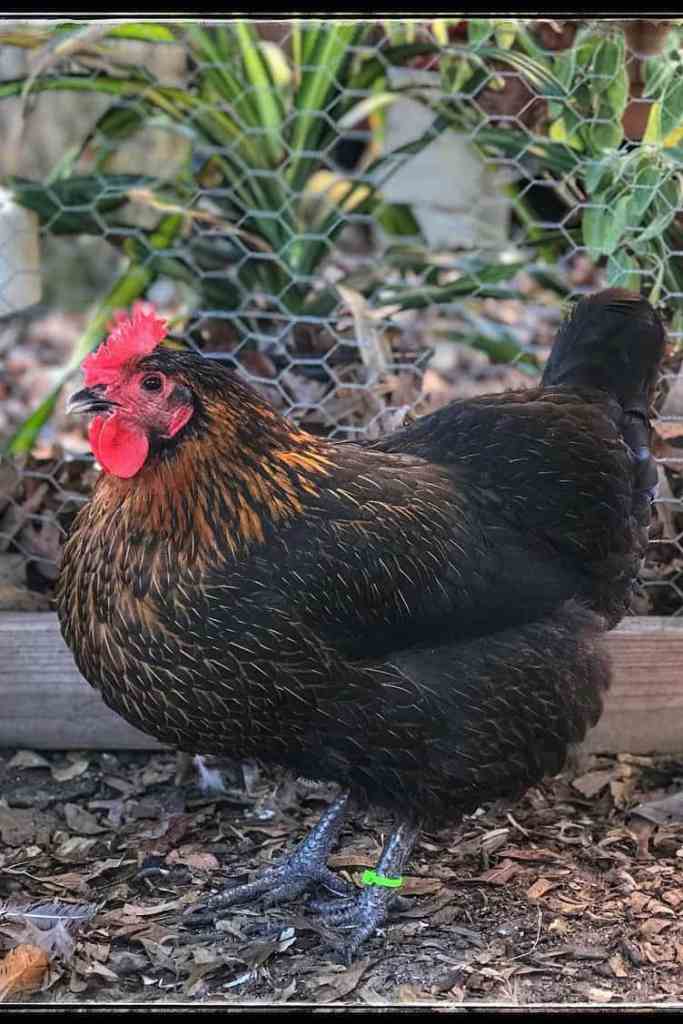
Black Sexlinks are a hybrid chicken created by using two purebreed chickens. They are amazing layers laying around 250-280 brown eggs per year. They are autosexed at birth and an excellent bird. Black Sexlinks have other names at other hatcheries. They are also called Black Star or Rock Reds. Our black Sexlinks have always been black with orange around or under their necks. Lately, they have had lots more orange on their bodies and they are hard to tell apart from Easter Eggers some days. I have never had a Black Sexlink go broody so plan on incubating their eggs if you desire to hatch them. Since Black Sexlinks are hybrids, they will not breed true.
Black Sexlinks are auto-sexed at birth meaning we know the sex as soon as they are born. Female babies are $5 each at birth plus $1 per week in feed starting on Day 6. Males are $1 at birth plus $1 per week in feed starting on Day 6.
Egyptian Fayoumis
Egyptian Fayoumis are rumored to have been around during the age of the Egyptian Pharaohs (hence the name). According to rumor, they derived from jungle fowl. They are small, rare in the US, and love to free range. They have dark eyes and a barred body. Hens can lay as early as 4.5-5 months old and produce around 150 off white eggs per year. This is a fearful bird and it does not do well as a pet. Our Egyptian Fayoumis originated in the 1990’s and are NOT commercial hatchery stock.
We showed one Egyptian Fayoumis rooster at the 2024 County Fair and he won 1st place. You can see his ribbon/picture in our Blog page. These birds do not appear to go broody although supposedly that changes as they age.

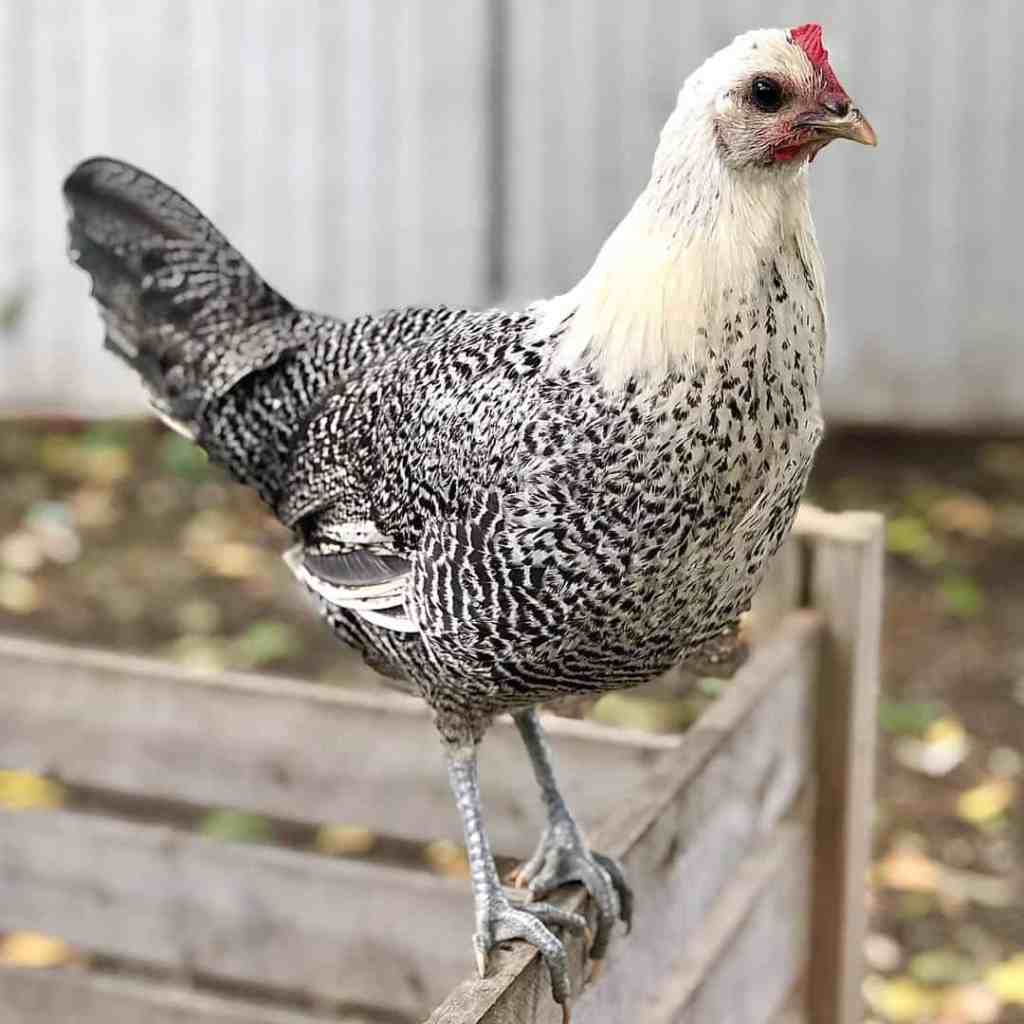
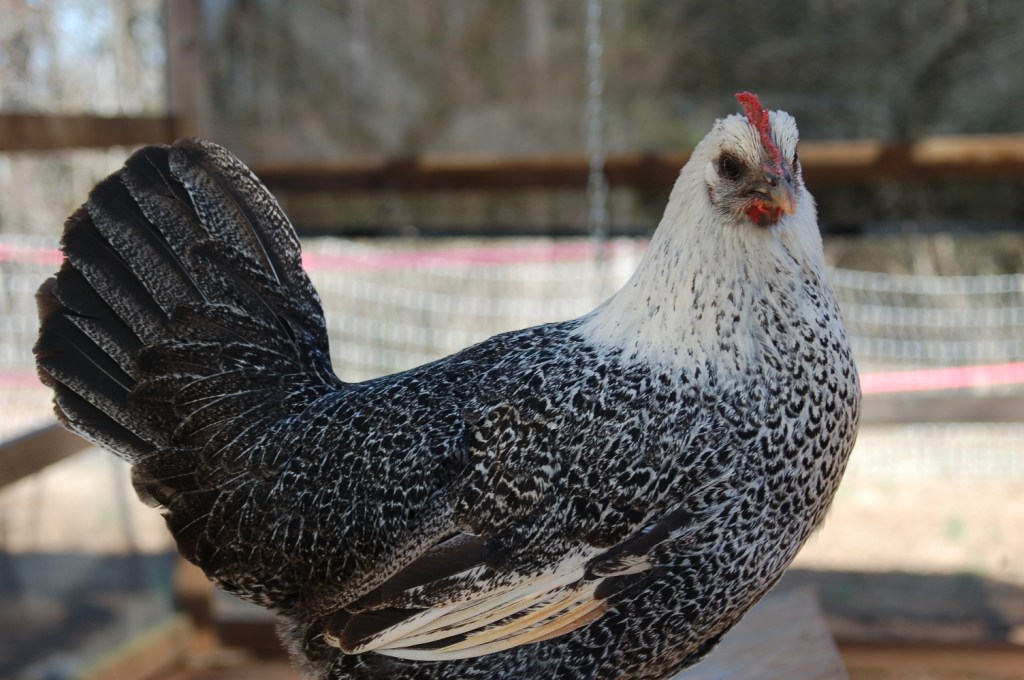
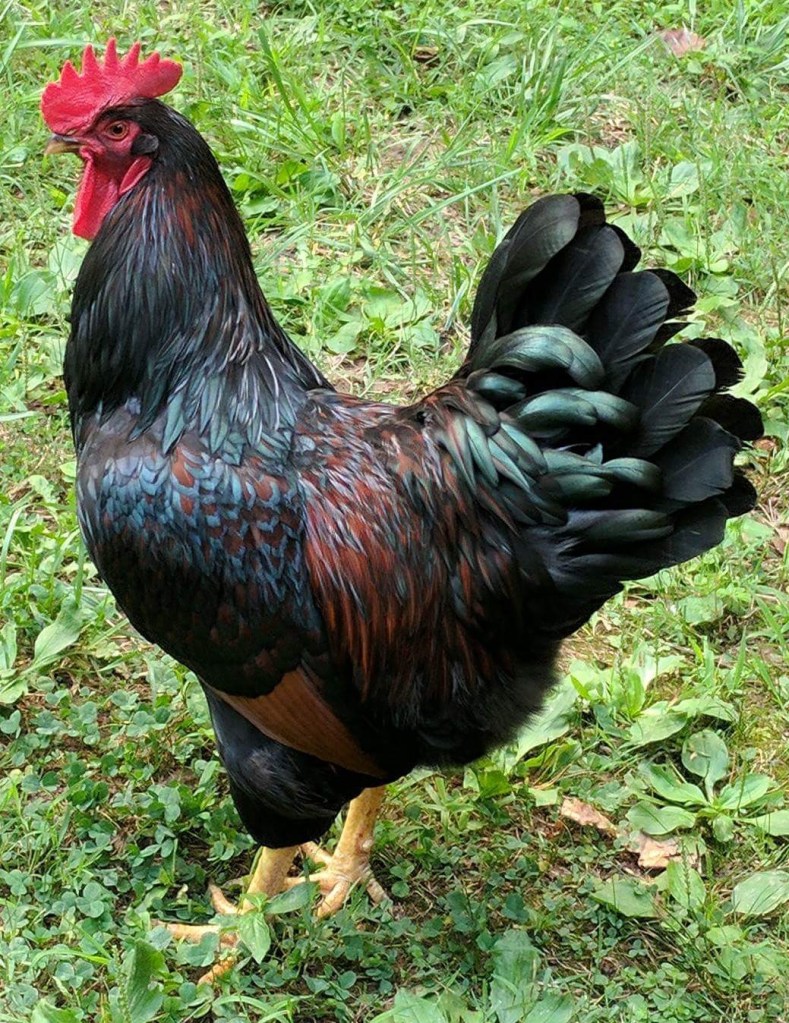
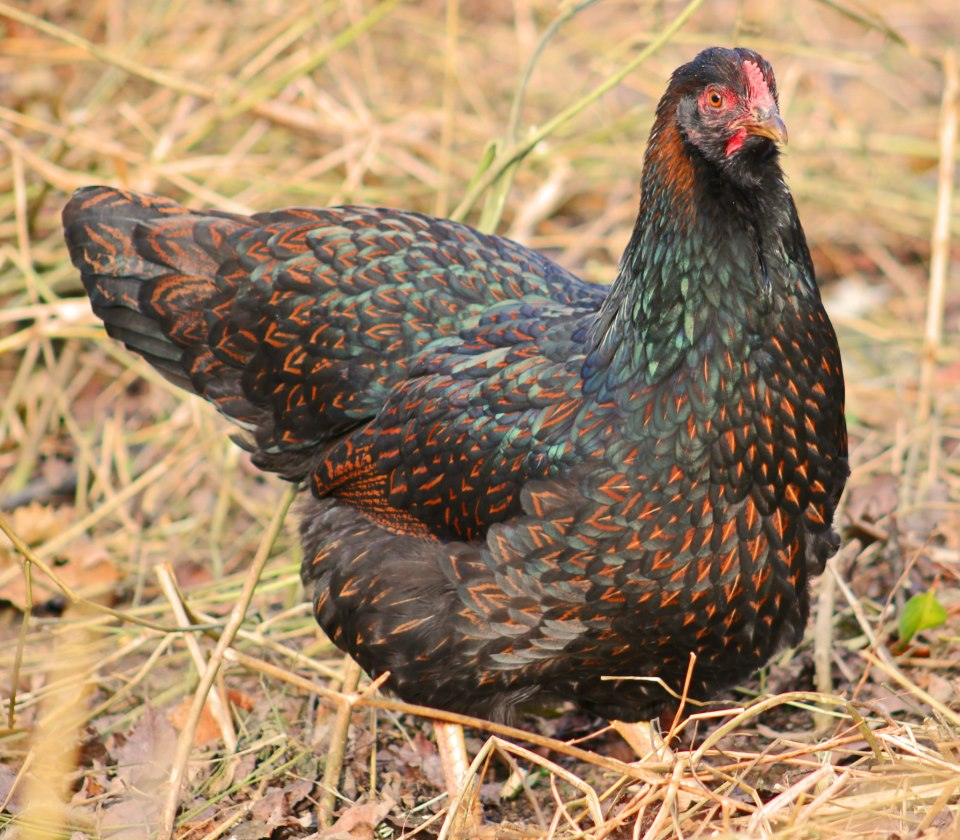
Barnevelders
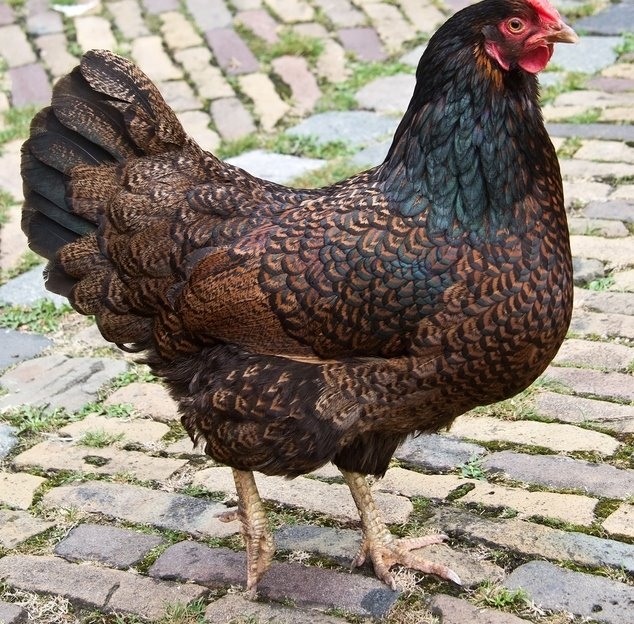
Barnevelders are beautiful birds. They are a low (150-200 eggs per year) layer of dark brown eggs. Occasionally, those eggs are speckled. Our Barnevelders do not lay an extremely dark egg but more of a medium colored egg. They would not be considered show eggs. My standard Barnevelders are from a line over 10 years old. They are inclined to go broody–but not always. They are good mothers. They lay late. I have never had one that laid at 6 months old like most other birds. They don’t lay before 8 months old and sometimes not until 10 months old.
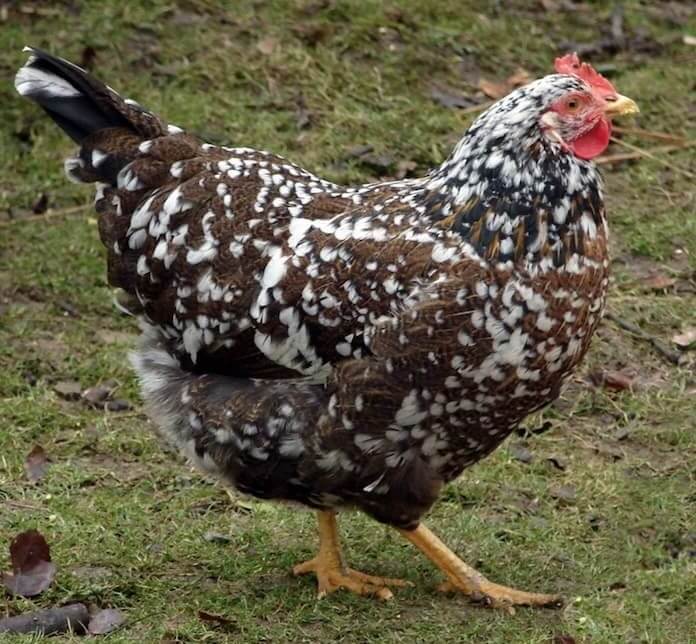
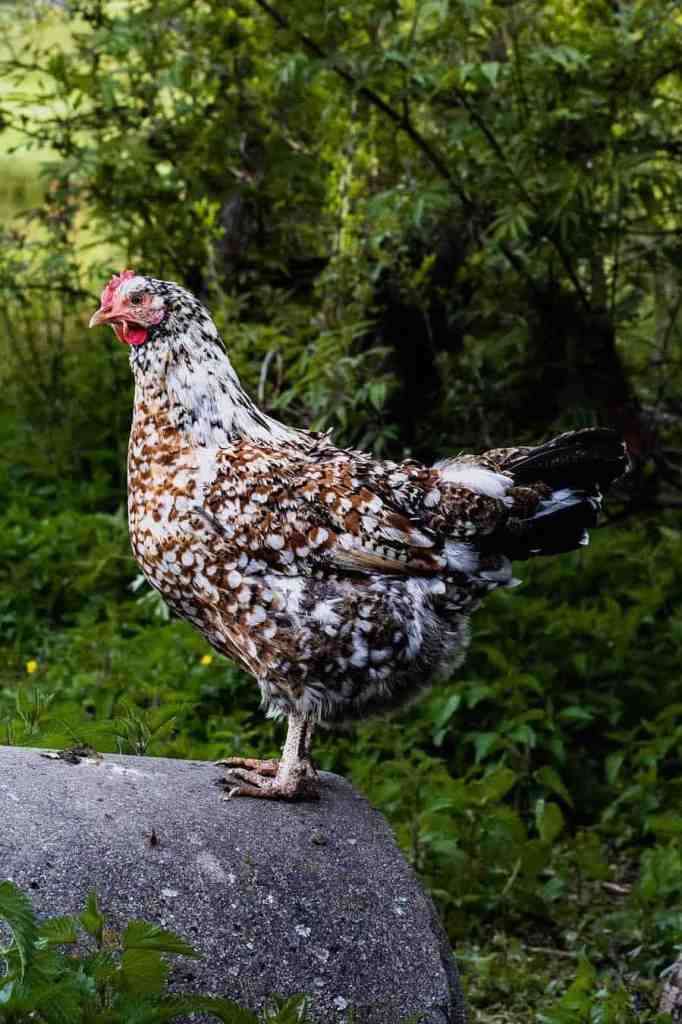
Swedish Flower Hens
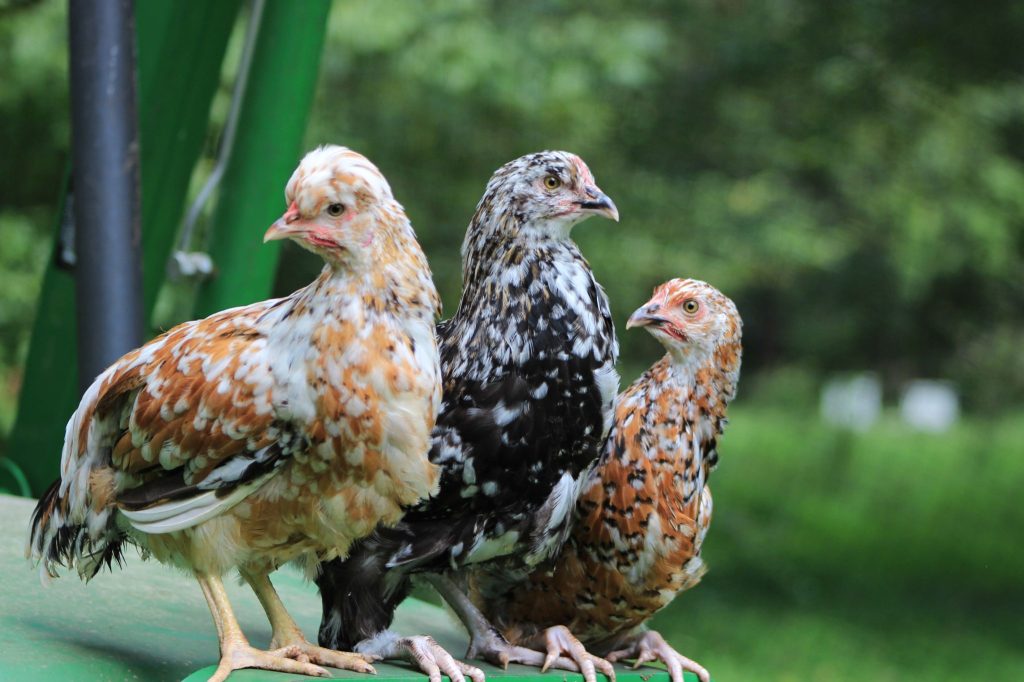
Swedish Flower Hens are a rare beautiful speckled chicken. They are mottled orange and white but also come in many other colors. They lay 150-200 large brown (sometimes cream) eggs per year. They do not go broody. Some Swedish Flower Hens have crests on their heads. We showed one pullet at the County Fair in September 2024 and she won 1st place. Her picture can be seen in our Blog section.
Straight run babies are $5 each at birth plus $1 per week in feed starting on Day 6.
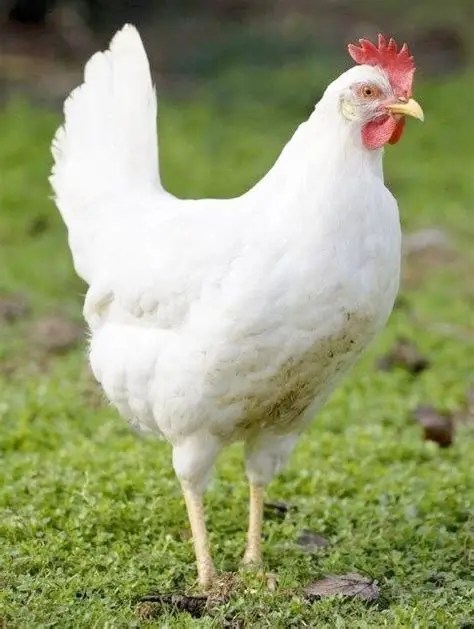
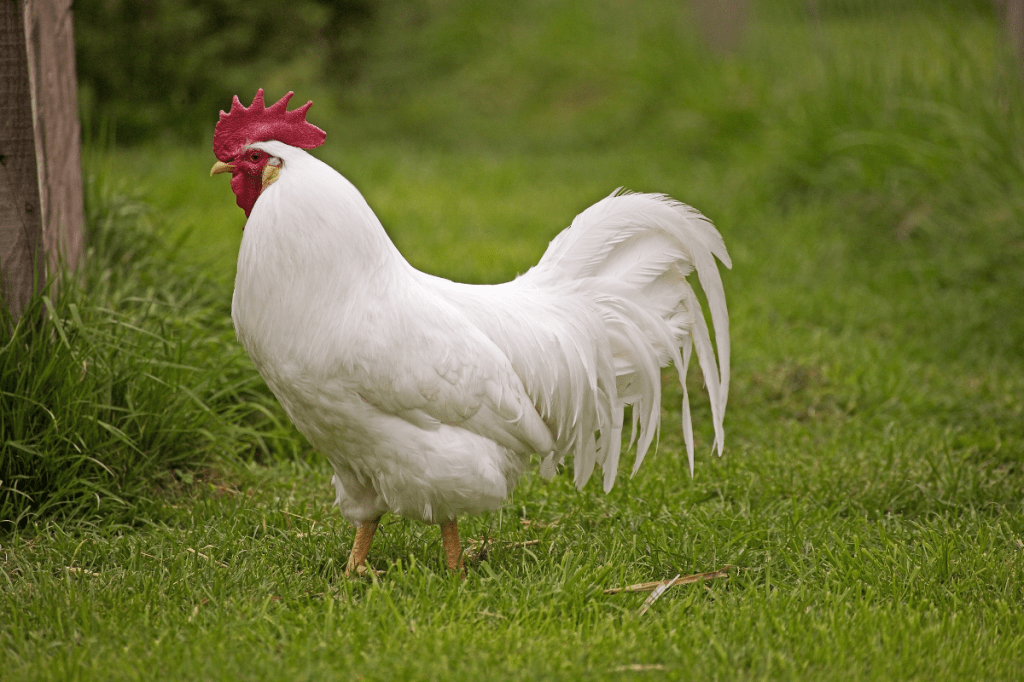
White Leghorns are a flighty bird that produces an abundance of large white eggs. When you buy eggs from Kroger, they are most likely from a White Leghorn. Our standard white leghorns originated in 2009. We did not enter any girls in the Fair but the standard (not hatchery) male White Leghorn that we entered in the 2024 County Fair won 1st place. Leghorns do not go broody. White Leghorns are a very common breed and can be found at most feed stores every Spring. They are usually already sexed and around $5-6 each.
Straight run babies are $5 each at birth plus $1 per week in feed starting on Day 6.
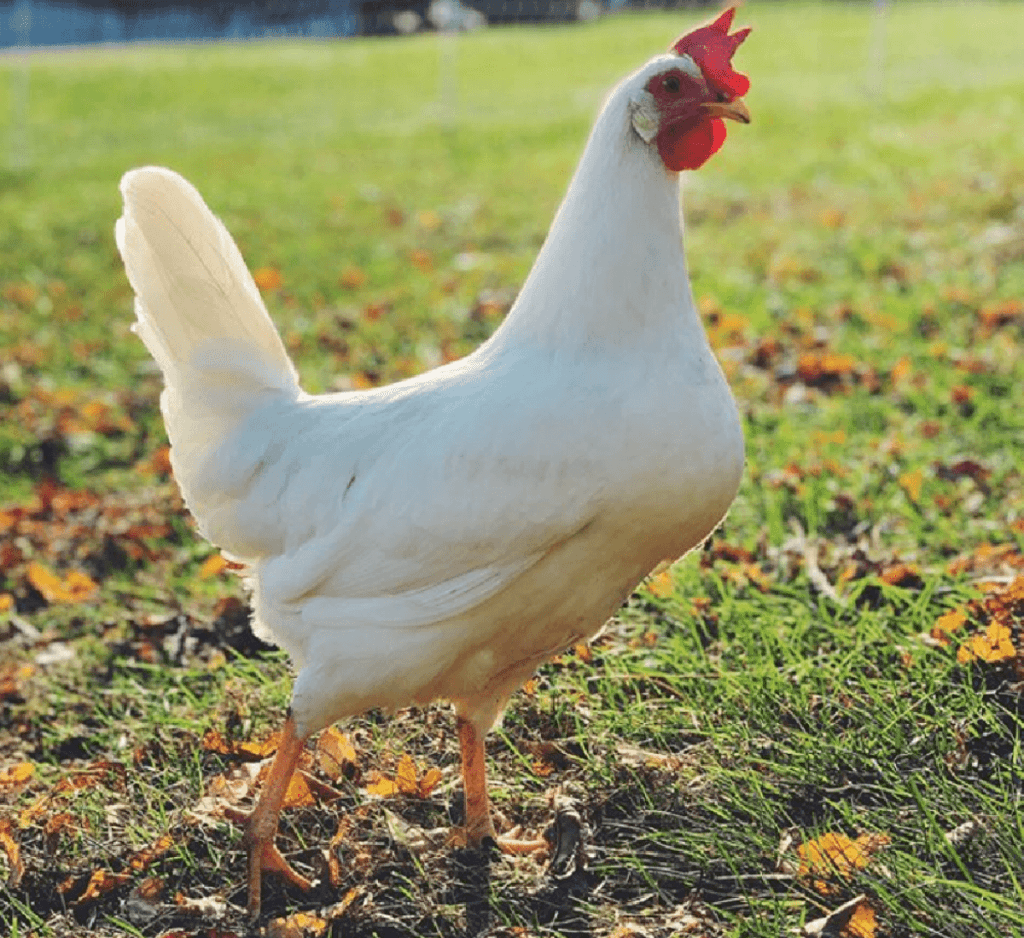
Blue Sexlink Chickens, just like any sexlink chicken, are some of the best layers. Our blue sexlinks are not only pretty but lay around 270 (or more) eggs per year. This is a hybrid (meaning non-heritage) chicken. They will all have a gray tint for the color but a few may have red on their necks. They do not go broody.
Heritage Rhode Island Reds
Heritage Rhode Island Reds are one of the most successful dual-purpose bird and backyard chickens. Heritage RIR are not the same as Production RIR. Heritage RIR, rarer, are a true dual purpose breed and can be used for both meat and eggs. They will lay large brown eggs but not as often as the Production RIR. Production RIR are specifically bred to be smaller and lay more eggs. RIR lay 200-280 brown eggs per year.
Do Rhode Island Reds go broody? The big question is are they Heritage RIR or production RIR. If you got your RIR from a hatchery then most likely they are production birds. The difference is that the heritage birds, very rare, are a true dual purpose breed. They will lay large eggs but not as often as the production birds. Production reds are one of the most prolific layers you will find, and to get that level of laying, the broodiness gets bred out. It is still possible, but very unlikely that your production RIR will go broody.
Always assume that RIR are production reds unless you are told they are Heritage Rhode Island Reds.
Our Heritage Rhode Island Reds won Grand Champion at the Fair in 2022 and we are super proud of them.


Silkies
*Discontinued– these are very easy to find at almost any hatchery, Craigslist, and Facebook and they don’t need saving from extinction.
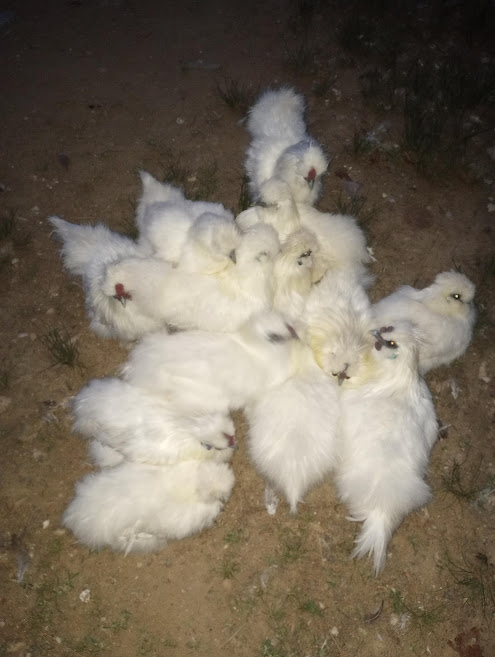
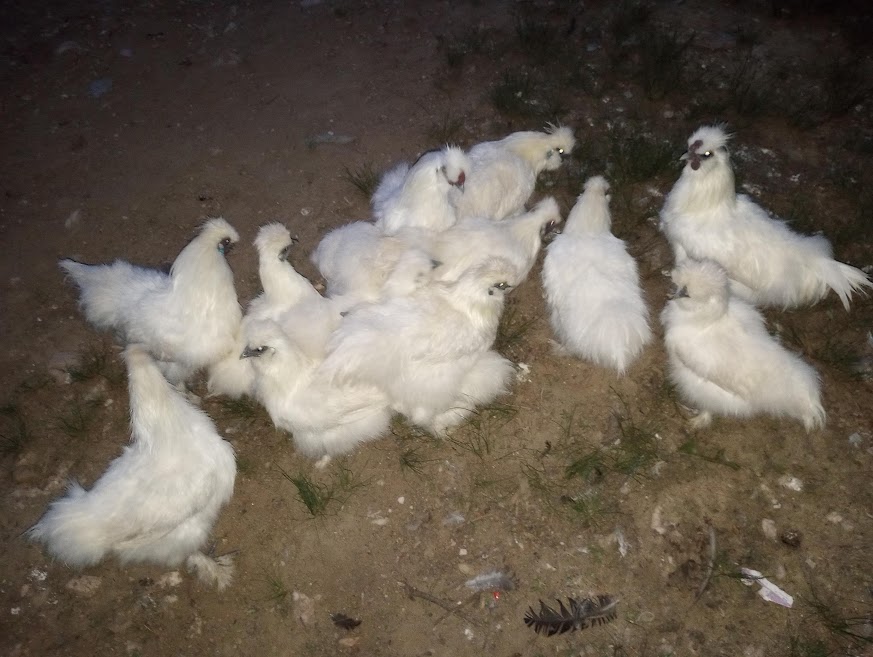
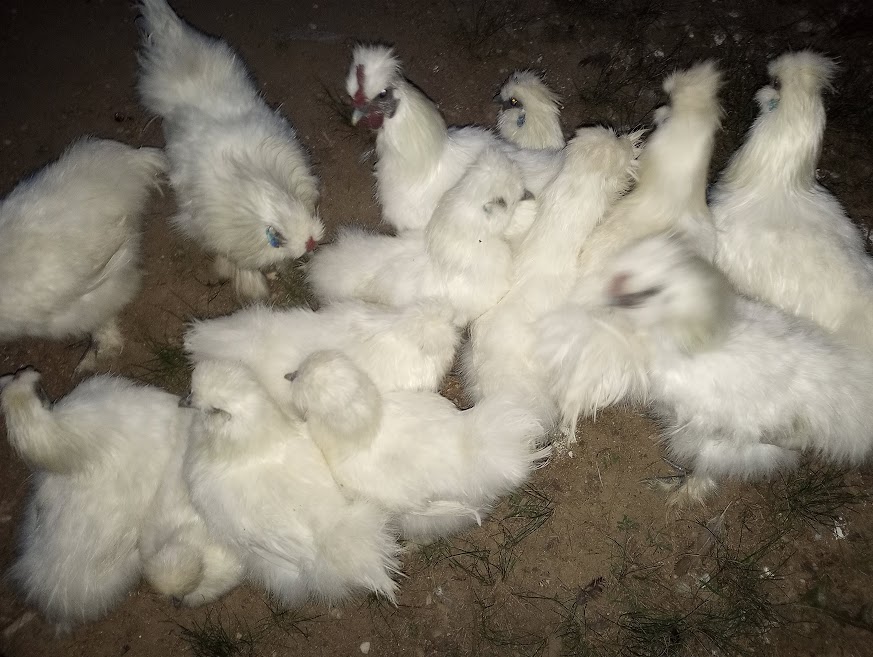
Silkies are a small bird of chicken with a crest on their head. Silkies are poor layers. They lay around 160 small white/cream/off-white eggs per year. They are one of the smallest chicken breeds that you can choose. Many people chose them as pets and mothers as they are known to go broody quite often.

Production Reds
*Discontinued by us but these are super easy to find at hatcheries and on Facebook and Craigslist
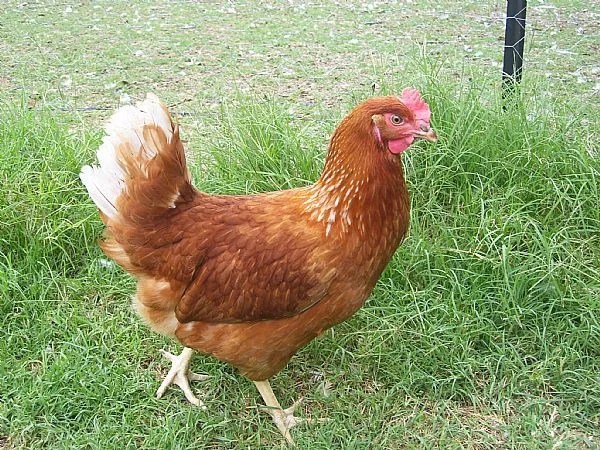
Production Red or Red Sexlinks birds are an amazing bird. They are a hybrid, easily sexed at birth (sex-linked), and one of the top 5 egg laying hens. These girls can easily lay over 300 large brown eggs per year. These birds lay so well that commercial egg producers use them birds immensely. Each year, after they are around 15-18 months old, the market is flooded with these birds and you can purchase them very cheaply from a commercial production facility.
Production Reds go by several names: Bovan Brown, Hyline Brown, Red Sexlink, ISA Brown, Red Star, etc.. Each hatchery calls them birds a different name.
Production Reds are very easy to sex. They are wonderful if you want to donate the roosters at birth, keep all the hens, and not waste the price of expensive feed on male birds. They lay super early–usually around 4.5 months–but we have seen a few lay at exactly 3.5 months old. However, they are not very easy to sell. The market is flooded several times a year with these older birds from a commercial hatchery. These are given away or sold for next to nothing at the commercial farms (purchased at 25 cents, 50 cents, $1.00 each and then resold on the market for $3 up to an insane rate of $25 per bird). Some of these birds end up being great birds. All have had lights used on them in the winter forcing them to lay and thus drastically shortening their laying years when these birds are already short layers. Some of these farmers have been found to have diseases where the entire flock of birds has to be culled.
We have had the Production Reds for several years now. We hand raised them with chick starter. None came from a commercial after-market facility. However, we have had a horrible time selling them. Because people appear to think they are from a commercial facility and are worn out, they simply do not sell. Therefore, we are discontinuing our Production Reds after the summer of 2023. We will not carry them again.
Productions Reds never go broody.

Wyandottes
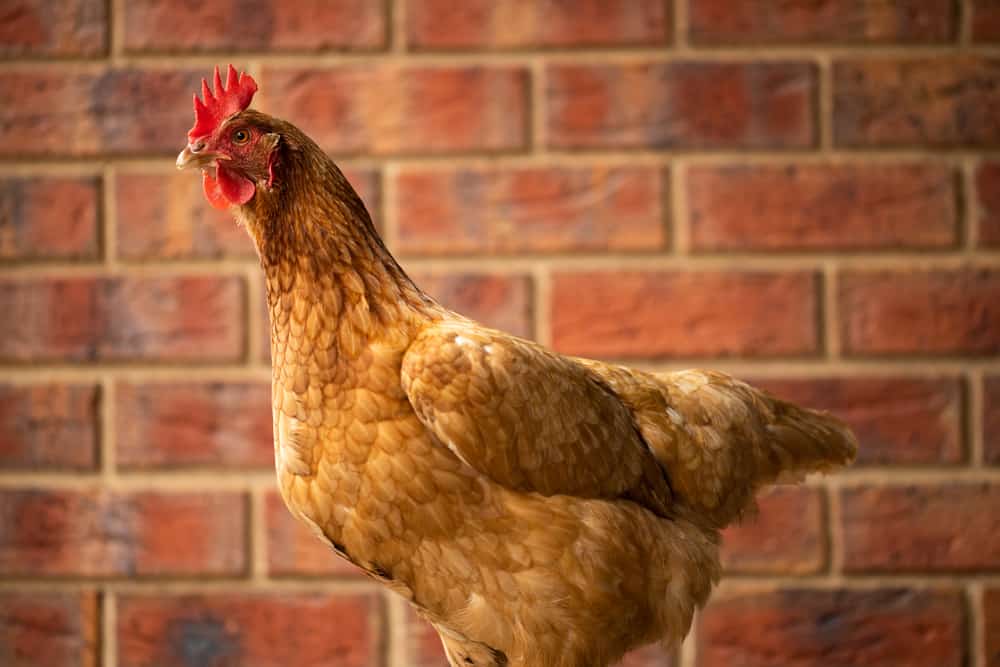
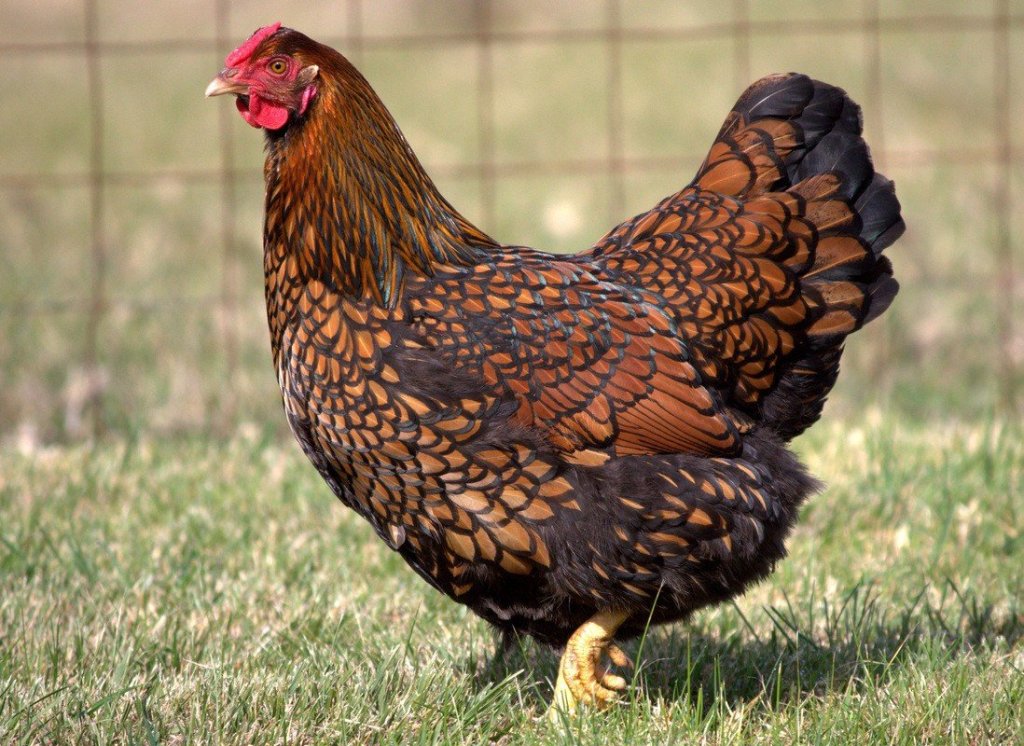
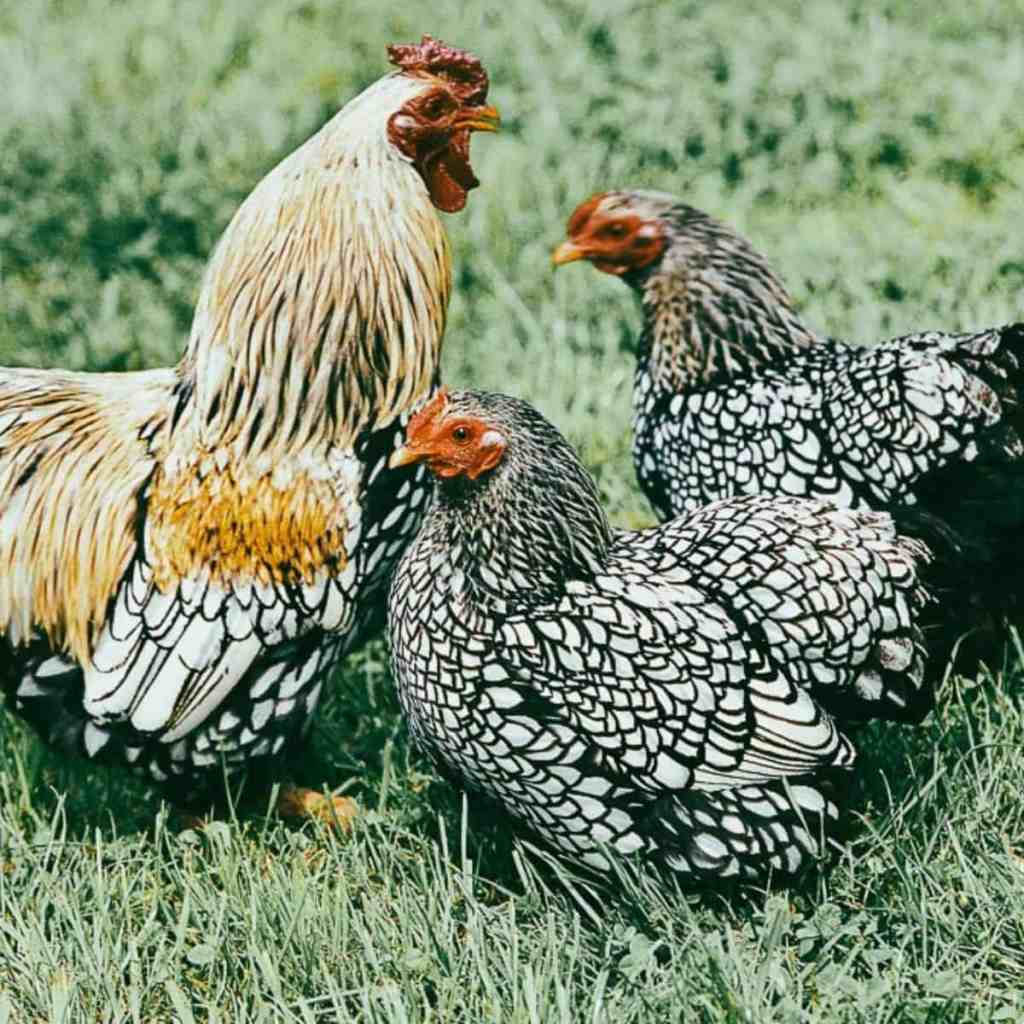
Wyandotte hens are moderate layers laying about 200 eggs per year. The eggs are light brown/cream. Wyandotte hens are know to be good winter layers, go broody, and are good mothers. Wyandottes are a very common breed and can be found at most feed stores every Spring. They are usually already sexed and around $5-6 each.
Straight run babies are $5 each at birth plus $1 per week in feed starting on Day 6.

Buff Orpingtons
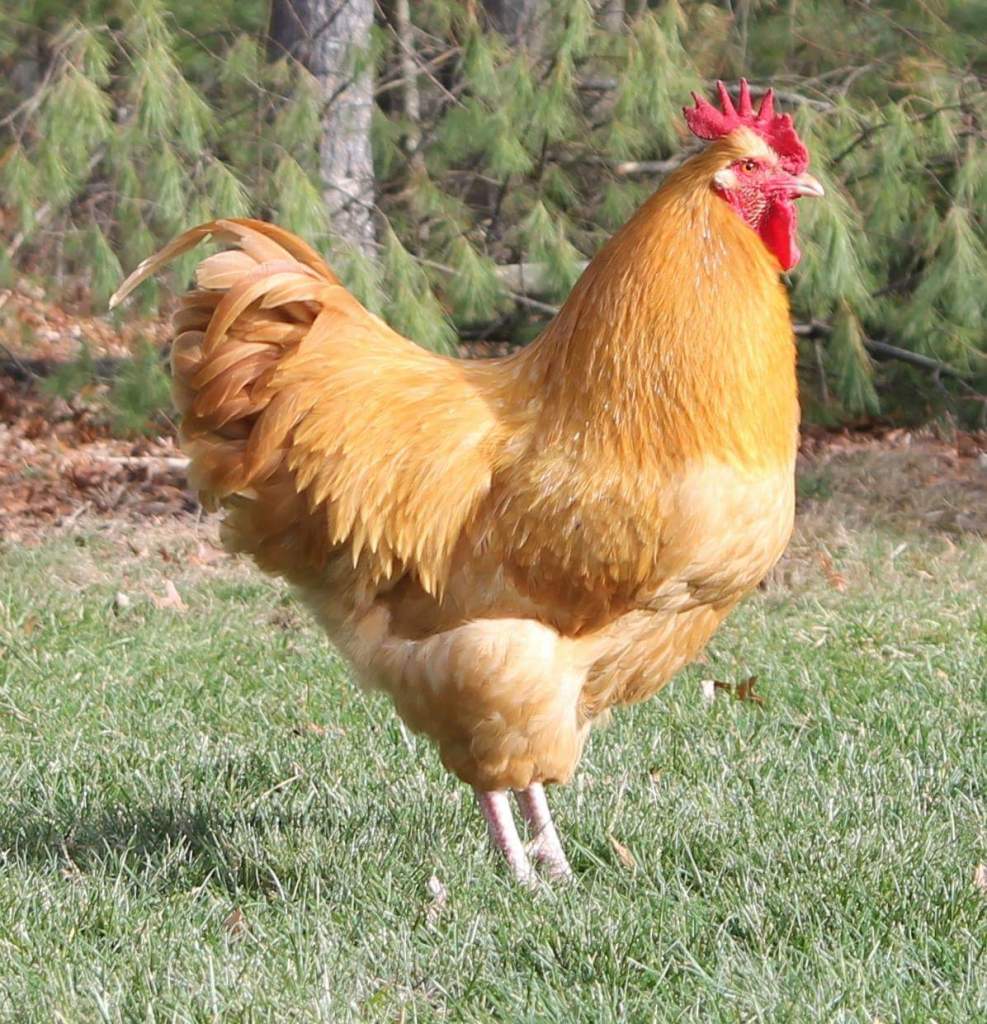
Buff Orpingtons are a “buff” or orange/golden color. They have white legs. They were produced for both meat and eggs. They are a medium layer (around 200+) of brown eggs. They go broody and are excellent mothers. Despite what any other website states, they do not do well in Arkansas heat and will need lots of shade and water. Even with our best efforts this summer, we lost a few Buff Orpingtons due to the heat. Buff Orpingtons are good with children and good for first time chicken owners. They are sweet gentle birds.
Straight run babies are $5 each at birth plus $1 per week in feed starting on Day 6.
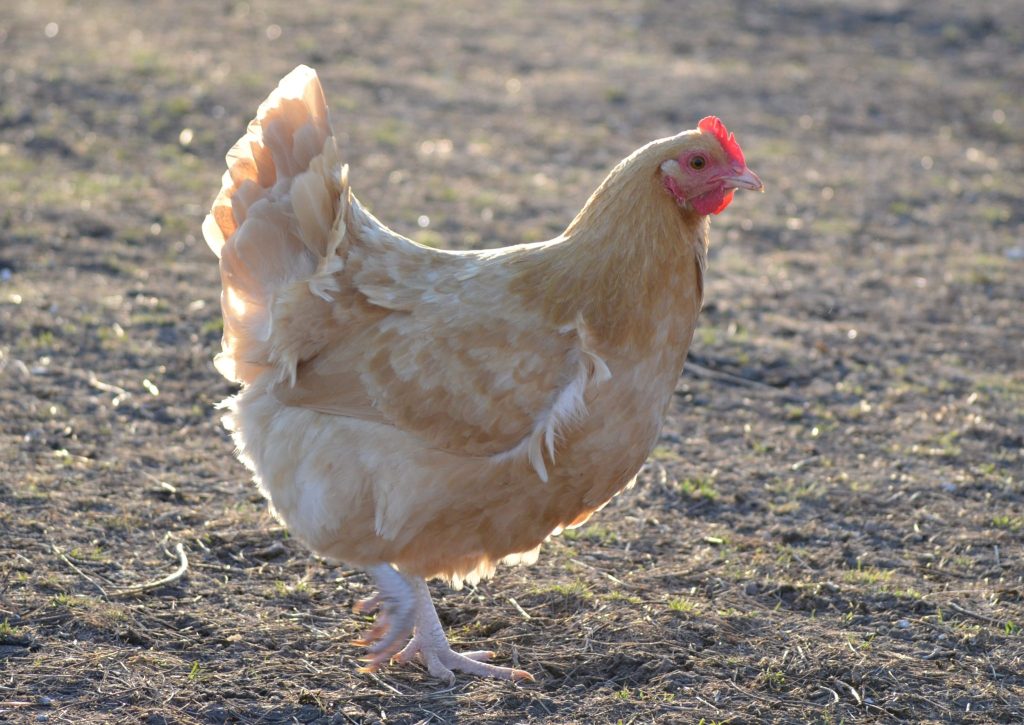
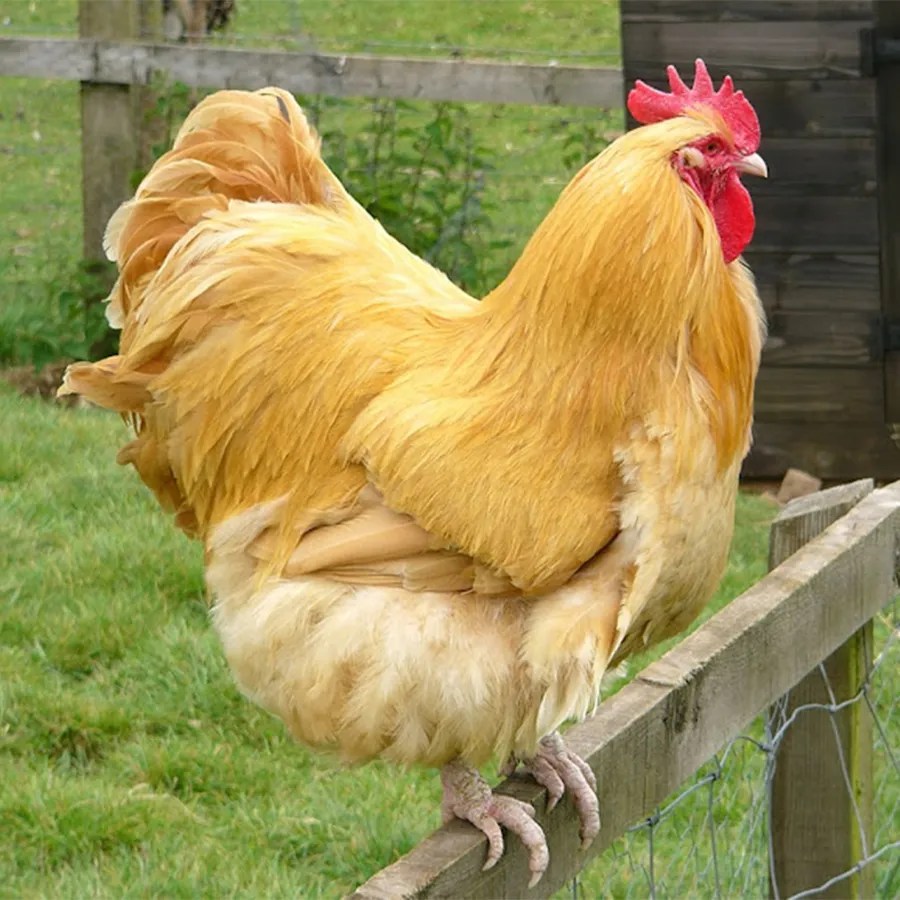
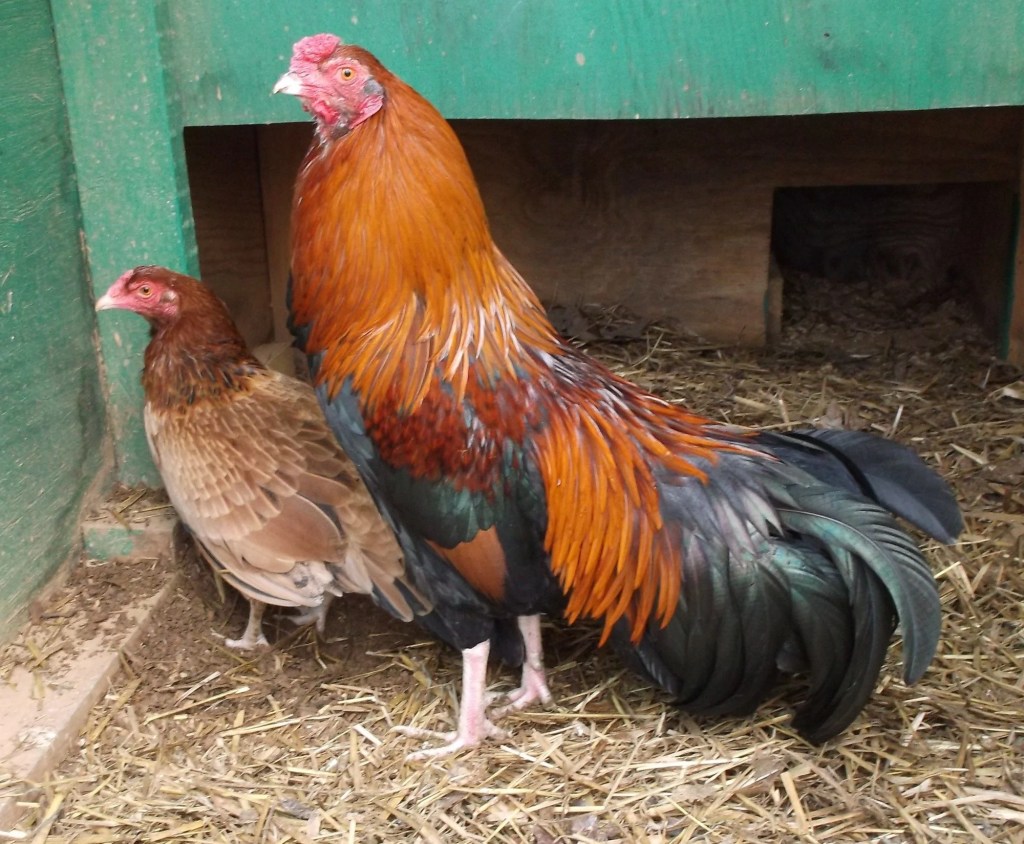
Cubalaya –we only have the Red Pyle Cubalaya
In case you didn’t guess it, Cubalaya chickens originated from Cuba (and possibly the Philippines before that). They are ornamental birds laying around 150-200 small to medium cream color eggs per year. They grow slow and might not reach maturity for a few years. The hens go broody and make great mothers. They come in three varieties: black, black-breasted red, and white. Ours do well in the heat and we have never lost one due to hot weather–even in extreme Arkansas hot weather. Ours love to forage. They are small and need to be protected from predators.
Cubalaya’s are supposedly multi purpose meaning they can be used for meat, show, eggs, and fighting. I am not sure that I agree with that considering ours are very calm, never aggressive, low egg producers, and appear to have very little meat on them.
I love my Cubayala’s and they would be best for someone wanting to show them or someone wanting a hen to hatch eggs.
We took our juvenile 4-5 month old Cubalayas to the 2024 County Fair and they won 1st place and also Best in Show for Standard Trios. You can see their picture in our Blog section.
This is our second favorite bird followed by the Australorp.
Note: We do not sell fighting birds. If you are asking about our Cubalaya’s thinking you can use them for fighting, these are the calmest birds that I have come across in a long time and you are wasting your time.

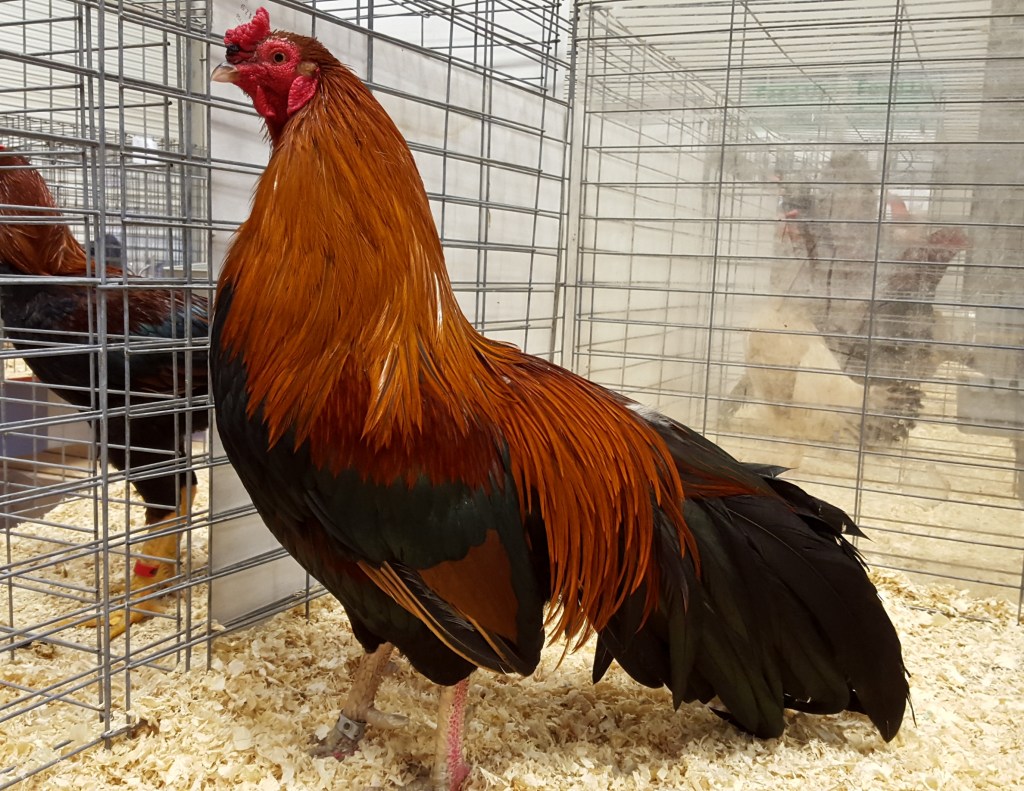
Golden Campine
Lavender Marans
Maran hens fall under a group of hens that lay dark eggs.
Silician Buttercup
Black Copper Maran
Marans are a moderate layer of dark brown eggs. Ours lay a medium shade of eggs–they would not be show eggs. Our Black Copper Marans have tons of feathers on their feet but very little copper on their necks. They are not show birds.
Blue Copper Maran
Same as the Black Copper Maran, Blue Copper Marans were bred to lay dark eggs. Most have feathers on their feet although hatchery Marans may have no or few orange feathers. Our blue and black Copper Marans seems to have an extreme amount of feathers (especially the males) on their feet but our Cuckoo Marans appear to not have very many feathers on their feet. Our Blue Copper Marans lay a medium brown egg.
 Little Rock Poultry